
When a Saturday needs more than a park run
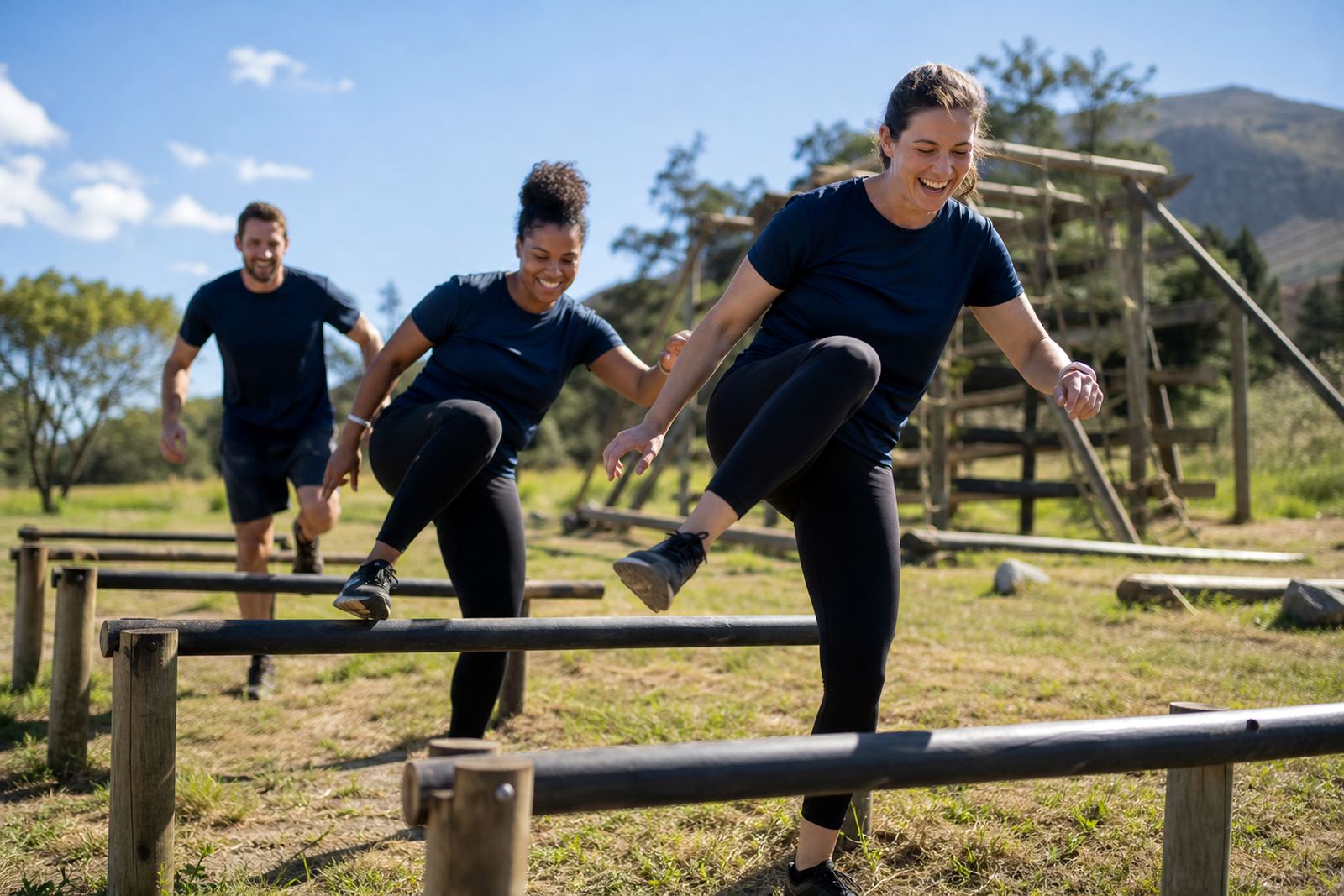
This use case fits groups and individuals who want an outdoor challenge that feels earned, but still stays social. We see runners from Johannesburg and Pretoria, weekend hikers from Hartbeespoort, and mixed groups travelling in from Cape Town, Durban and Bloemfontein for a race that asks for stamina, balance and a bit of nerve.
The client situation is usually straightforward: friends want a memorable outing, corporate teams want an active bonding day, or fitness groups want something fresh after months of the same routine. The course format works well when participants want a safe introduction to obstacles without needing elite-level conditioning. A doctor check before hard exercise is wise, especially for anyone with a chest issue, joint concern or a long break from training.
What usually goes in the kit bag
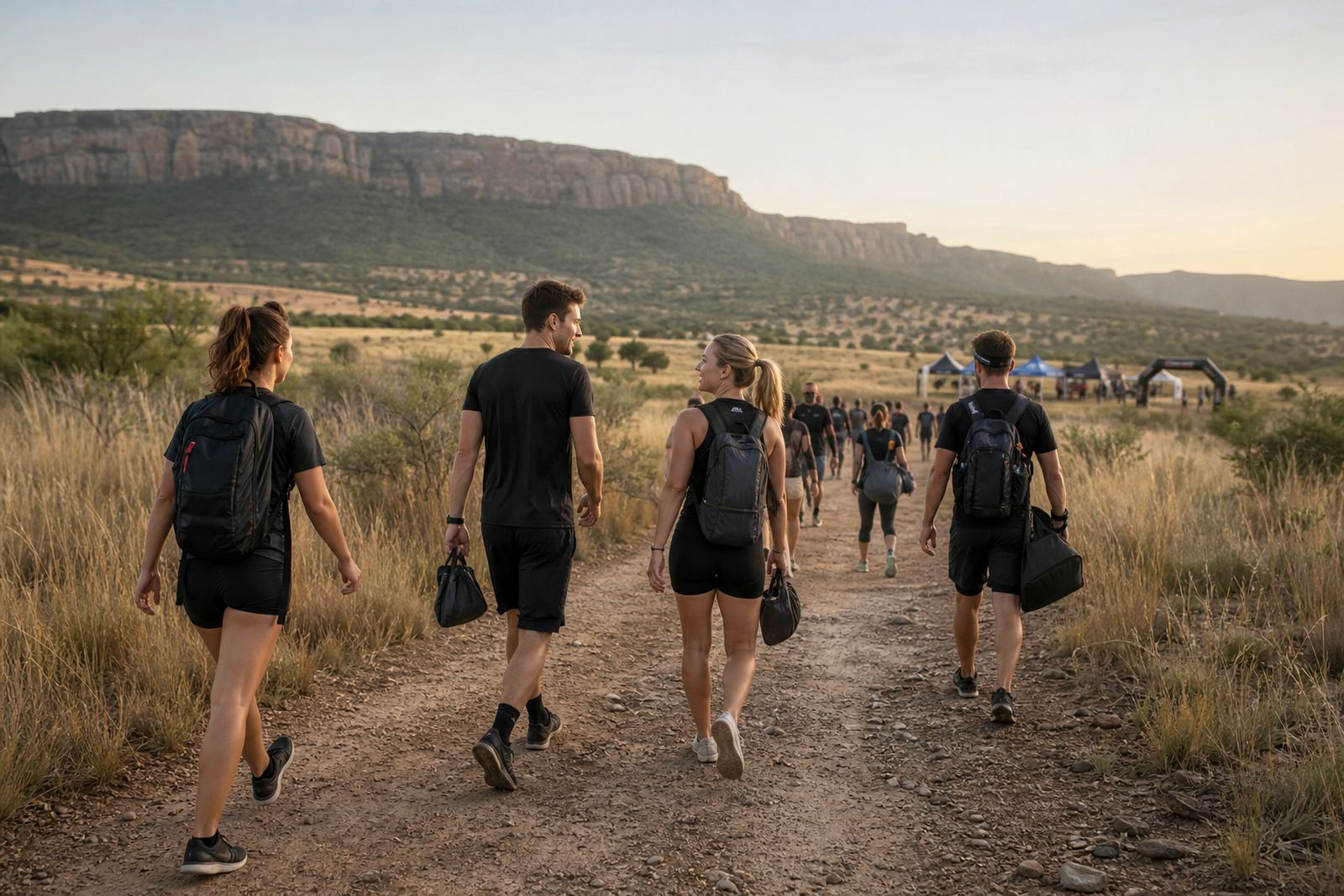
Weekend entrants do best when they travel light but prepared. The ground in Hekpoort and around the Magaliesberg can be dusty one hour and slick the next, so grip and comfort matter more than fancy gear. Most people arrive with trail shoes or trainers that can get wet, a change of clothes, water, and a small towel for afterwards.
- Closed shoes with decent tread, not brand new pair
- Quick-dry shirt and shorts or tights
- Water bottle or hydration pack
- Sunblock, cap and a warm layer for early starts
- Small bag with dry socks, snack and a rubbish bag for dirty kit
- Any required identification for registration and waiver checks
For groups using our team registration help, we also suggest one captain carrying a printed list of names and emergency contacts. It keeps the on-site check-in moving and reduces faff when everyone arrives at once.
How the course side gets planned properly
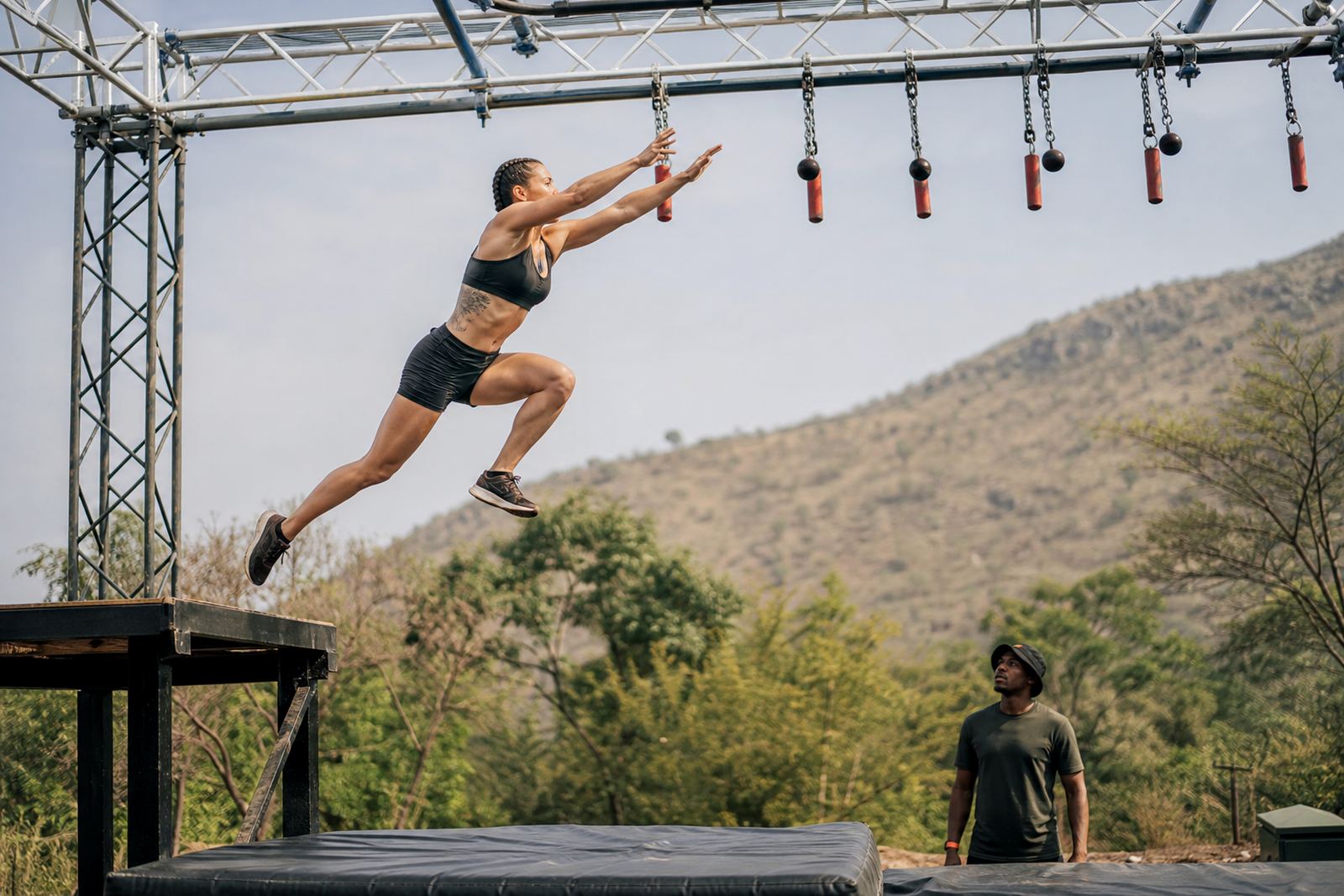
A good weekend challenge is less about squeezing in every obstacle and more about flow. The layout needs room for warmup, clear markings, safe spectator movement and enough space for recovery near the finish. In the Magaliesberg, wind, heat and uneven ground can change the feel of a course quickly, so the planning must allow for shade, water points and visible briefing areas.
Our operations team in Hekpoort works through heat allocation support, captain communication and custom team briefing so groups know where to go and what to expect. Bianca Khoza handles safety and briefing matters, while Johan du Plessis leads course build checks and Lerato Zondo keeps the moving parts in order. That matters on a Saturday morning when a mix of first-timers and regular racers all want the same clear instruction.
- Separate start waves help prevent bottlenecks at the first obstacles
- Recovery areas should sit close enough for tired runners, but away from active lanes
- Team photo moments work best after the finish, not in the middle of a flow section
- Supporters need a viewing plan so they are not crossing course routes
The mistakes weekend racers make most often
The biggest problems are usually small ones. People arrive under-hydrated, wear shoes with poor grip, or skip the safety briefing because they think the course will be obvious. It is not always obvious, and that is where trouble starts. Another common issue is pacing too hard in the first half, then fading badly when the climbs and carries start to bite.
Teams also get caught out when they do not decide on a captain before the day. That leaves waiver coordination, heat allocation and check-in scattered across too many people. For corporate groups, one person should handle all final names and communication. For friends, one person should hold the plan and the rest should listen for the briefing. It sounds ordinary, but it saves a lot of time and a few headaches too.
Budget ranges that make sense in Rand
Weekend Adventurers usually want a clear sense of cost before they commit, especially if they are travelling in from another province or turning the outing into a full day. We do not quote fixed prices here, because race format, group size and support needs all change the total. What matters is knowing where the spend typically sits.
As a guide, small weekend groups often budget for entry administration, travel, meals, kit and post-race recovery. Corporate entries with custom support will need more room in the budget than a pair of friends entering for fun. A practical planning band might look like this:
- Entry and admin support: often the smallest line item for an individual
- Travel and fuel: can rise quickly for visitors from Johannesburg, Pretoria or farther afield
- Kit and shoes: worth allowing for if your gear is not already suitable for mud and water
- Recovery and food: enough for drinks, snacks and a proper meal after the race
- Group support services: extra planning for waivers, briefing groups and supporter flow
If a team is planning a full company outing, it helps to build the budget around convenience and not just the entry fee. Clean planning usually costs less than last-minute fixes, especially when the weather changes or the group size shifts.
What the day feels like from arrival to finish
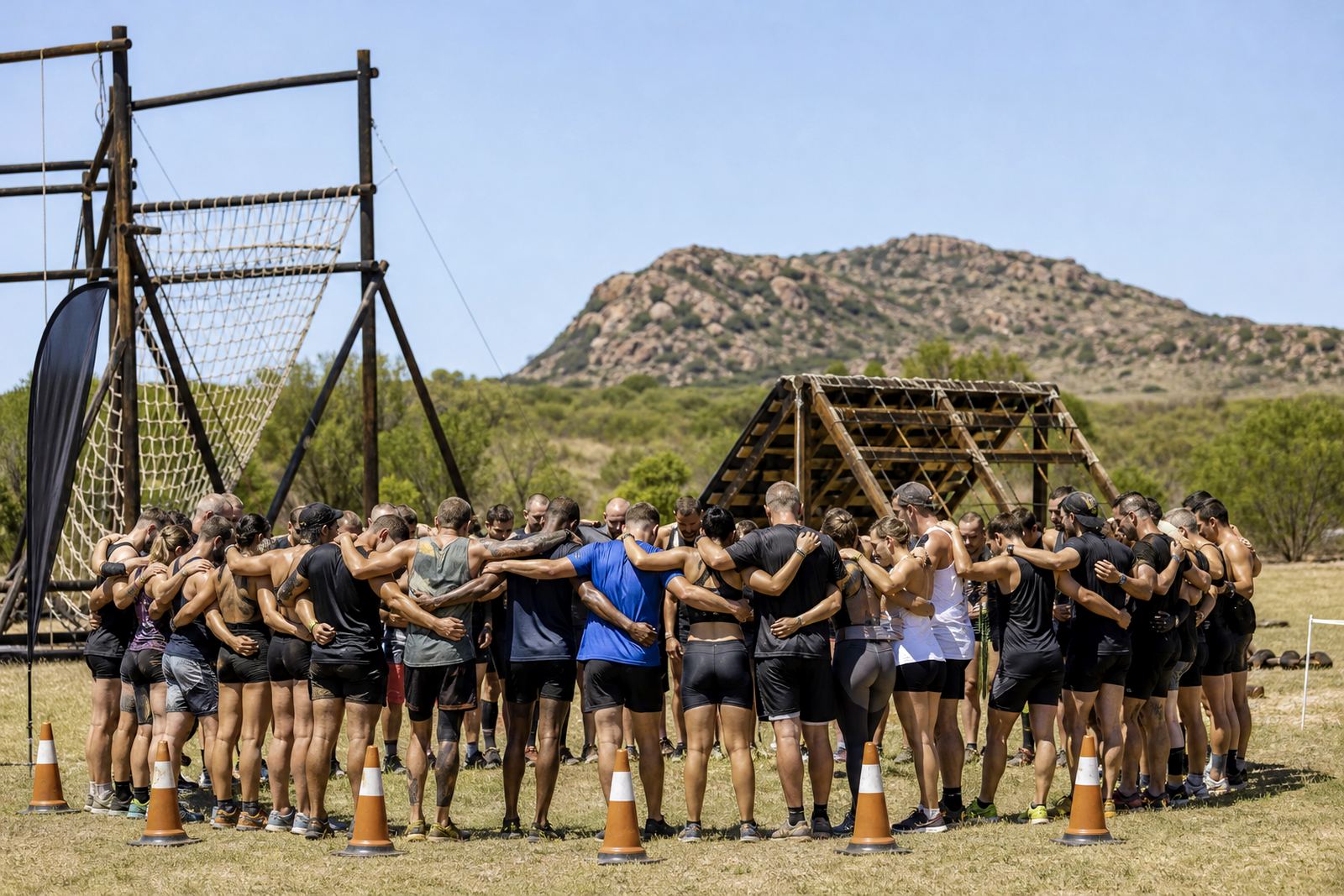
The day starts with check-in, waiver coordination and a safety briefing group. After that, the warmup gets people moving and settles nerves. The atmosphere is supportive rather than loud for the sake of it, and that suits mixed ability groups well. Some people race hard, others move carefully and finish with a big smile, which is also a good result.
Ayanda Nxumalo supports participant questions, Tshepo Khumalo helps with training content, and Carmen Botha handles corporate entries for teams that need structure before the day arrives. For weekend adventurers, that means fewer unknowns and a clearer plan from first enquiry to post-race recovery. If the group is large, onsite team check-in and custom team briefing make the morning much smoother, and the recovery area guidance helps everyone settle after the effort.
For people who want an outdoor challenge that still feels manageable, this format works well. It has enough variety to feel special, enough planning to stay safe, and enough physical demand to make Monday legs honest.