When a club enters together the day runs differently
Club entries usually involve a mix of experienced athletes, newer members, coaches and a few support people who all want the same thing: a fair start, clear instructions and a finish area that makes sense. In obstacle course racing that means managing wave choices, waiver handling, warmup timing, kit checks and who is helping which runner if someone cramps halfway through a steep section.
For sports clubs in Hekpoort, Magaliesburg, Hartbeespoort, Krugersdorp, Pretoria, Johannesburg, Rustenburg and Potchefstroom, the main challenge is not fitness alone. It is getting everyone briefed, signed in and positioned so the group can race close together without slowing the whole event down. That is where a proper team process helps.
- One captain or point person for the full club
- A shared list of names and emergency details
- Clear wave or heat preferences for mixed ability groups
- Waiver coordination before race morning where possible
What clubs normally need in their kit bag
Obstacle course racing asks for more than running shoes. Clubs should plan for dusty farm roads, wet obstacles after rain, rope climbs, cold mornings and, in the North West and Gauteng, sudden heat by late morning. A club that packs well has fewer problems on the day and less stress for the support crew.
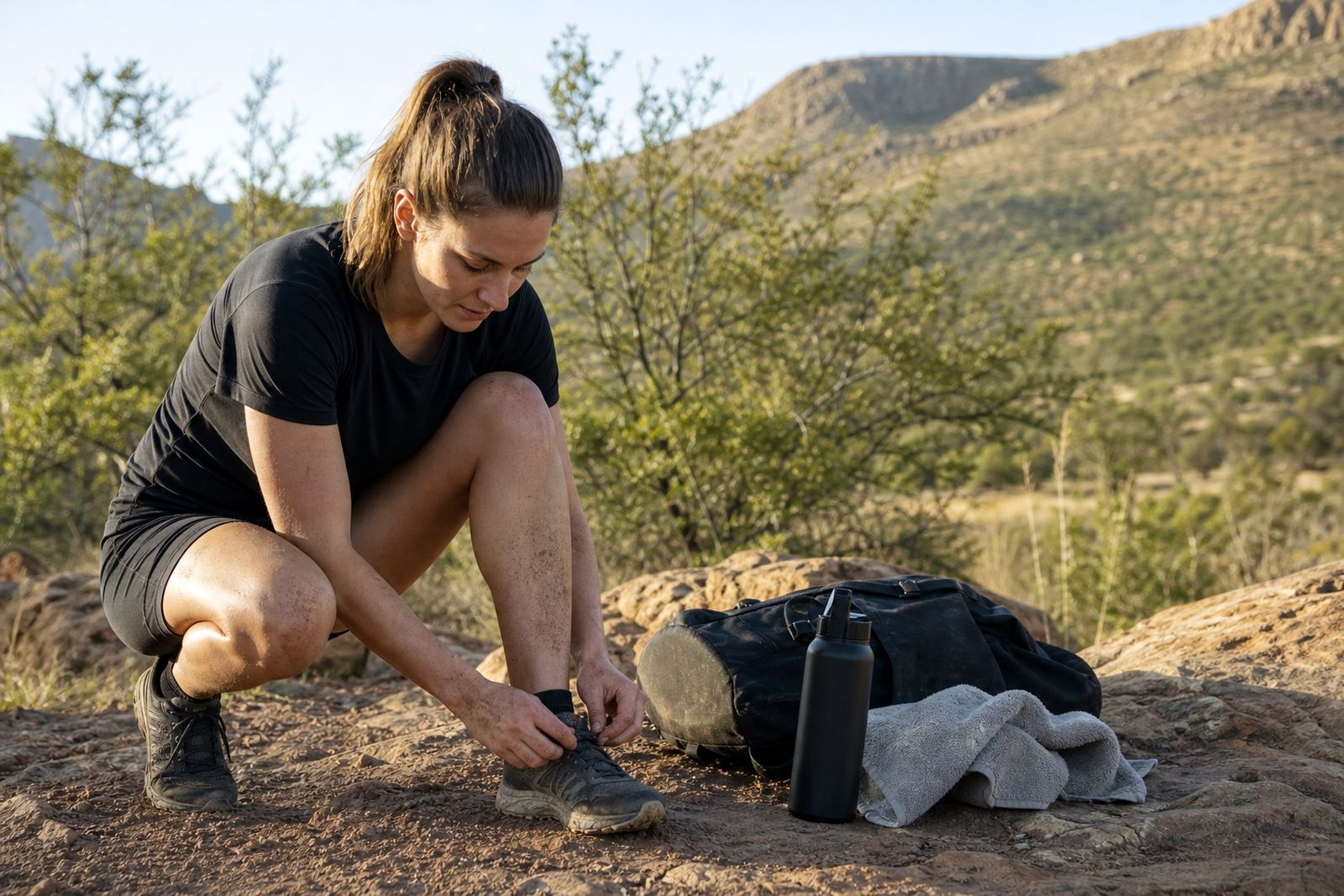
Most groups bring their own basic training and race kit, then add a few practical items for the race area. If the venue has uneven ground, sand or mud, shoes with grip matter more than flashy gear. Light layers help during early briefing times, while a small towel and dry socks can make the recovery area far more comfortable.
- Running shoes with strong grip and closed toes
- Comfortable training clothing that can get dirty
- Hydration pack or refillable bottle
- Small towel, dry socks and a change of shirt
- Sunblock, cap and a basic rain layer if weather shifts
- Any club ID or entry confirmation if requested at check in
If your club has members who are returning from injury, have not raced in a while or are trying a harder distance, it is sensible to check with a doctor before hard exercise. That is especially worth doing for anyone with asthma, heart concerns or recent joint issues.
How to lay out a club race day without the scramble
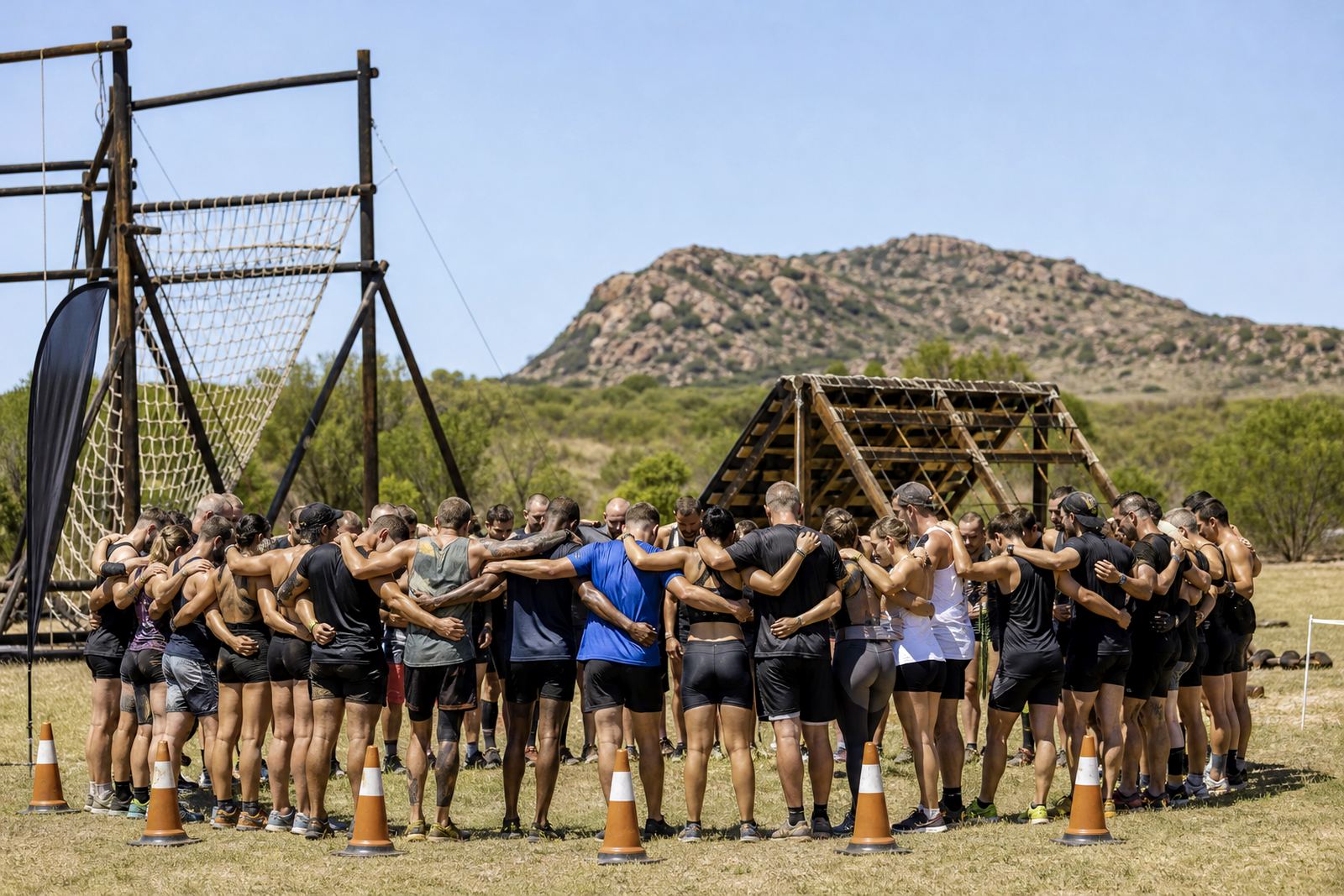
A good club day starts before anyone arrives at the venue. The captain should know who is racing, who is supporting and who needs extra time for warmup, strapping or nerves. At the venue, a neat parking plan and a clear meeting spot save time. It also helps if the club group can gather near one base point before the safety briefing starts.
For larger clubs, divide the squad into smaller working groups. That keeps communication cleaner and reduces the chance of someone missing a briefing or wandering off to look for gear. If the event has mixed fitness levels, the slower runners should not be shoved into the wrong heat just to stay together. Better to choose the right wave and have a stronger day from the start.
Clubs also benefit from a recovery plan. After the race, people need water, shade and a place to catch their breath before they leave. On hot days, especially around Magaliesberg and Hartbeespoort, a shaded recovery area is worth asking about early. It helps keep the squad together and gives coaches a chance to see who is tired, overheated or just needing a sit down.
The briefing that saves time and avoids arguments
Obstacle events work best when everyone hears the same instructions before the first runner starts. A proper safety briefing should cover course rules, obstacle behaviour, where to wait, what happens if someone skips an obstacle and how to ask for help if a participant feels unwell. Clubs with strong team culture sometimes rush this part, but that is where avoidable mistakes happen.
For group entries, we often see three common problems. First, a captain gives one message but the rest of the club hears something different. Second, people assume the hardest route is the best route for everyone. Third, a few runners turn up without reading the waiver details and then hold up the whole line at check in. A clean club process prevents all three.
- Nominate one captain to receive group updates
- Make sure every member knows the briefing time
- Ask about course difficulty before assigning runners to a heat
- Check waiver status before race morning if possible
- Remind the squad that teamwork matters, but safety comes first
Budgeting in Rand for a club entry without nasty surprises
Sports clubs usually want a clear budget range before they commit. Costs depend on the event distance, the number of entries, the amount of admin support needed and whether the club wants extra briefing help, team photo moments or recovery area guidance. For planning purposes, the club should think in layers rather than one single figure.
A smaller group that only needs entry handling and waiver coordination will sit at a lower budget than a full club setup with heat allocation support, onsite team check in, custom briefing, captain communication and support for mixed levels. Transport, food, club kit and accommodation for travellers from Cape Town, Durban or Bloemfontein can also push the total up quickly, so it helps to separate event costs from travel costs.
As a working range, club organisers often budget from a modest entry-only structure through to a fuller support package in the low thousands of Rand depending on group size and service level. The useful part is not guessing the exact number, but knowing where the extras sit before the squad starts collecting money.
What clubs usually ask for after the first race
Once a club has done one obstacle race together, the next one is easier to manage. The team knows who arrives early, who needs more warmup time and who will need help after the rope climbs or carries. Many clubs then ask for more structured support, especially if they are building a race calendar through the season rather than treating the event as a once off outing.
That is when practical extras matter. Clear captain communication keeps the squad in step. A group warmup session gets everyone moving before the start. Supporter planning helps coaches, parents or club mates know where to stand without blocking officials. Team photo moments are useful too, because clubs often want a clean record of the day after the mud has been washed off.
The best clubs treat the event like a shared performance. Not everyone will cross the line at the same pace, but everyone should know the plan, know the rules and know where to go if something changes. That is what keeps the day organised and enjoyable.