
When the start line needs to feel like a training block
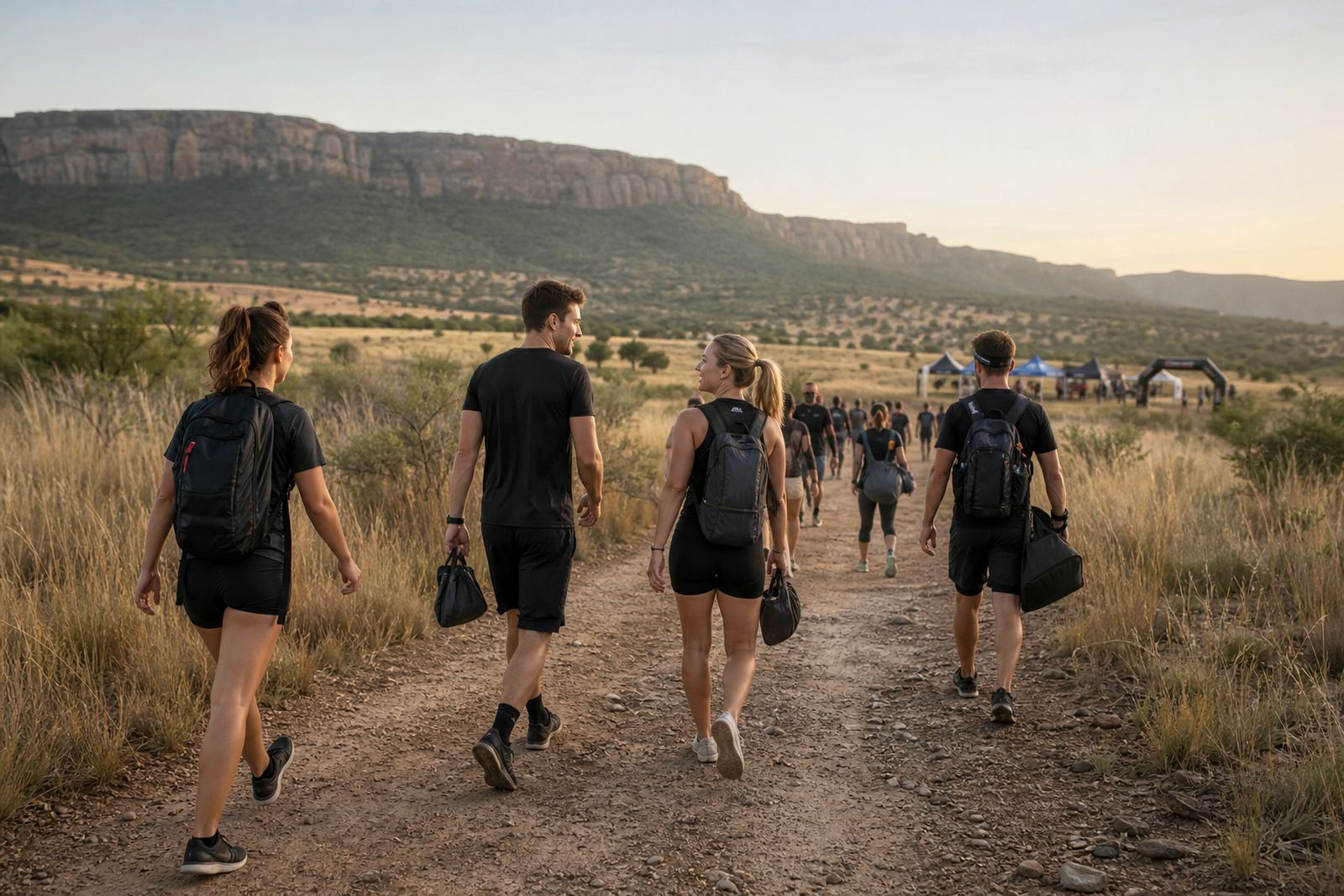
Competitive entrants usually arrive with a clear goal: move hard, lose less time on obstacles and hold form when fatigue starts biting. In the Magaliesberg and wider North West terrain, that means preparing for loose gravel, uneven climbs, heat, dust and sections where legs, lungs and grip all get tested at once. Athletes travelling from Johannesburg, Pretoria, Cape Town, Durban or Bloemfontein often plan the event as part race, part skills check.
The best use case is a runner, cross-training athlete or club group that already trains regularly and wants sharper pacing rather than just participation. If you are still building toward hard efforts, check with a doctor before taking on intense obstacle racing or any new high-load training block, especially if you have had a chest issue, joint pain or a recent injury.
- Clear pacing target for the first half, not just a hard opening surge
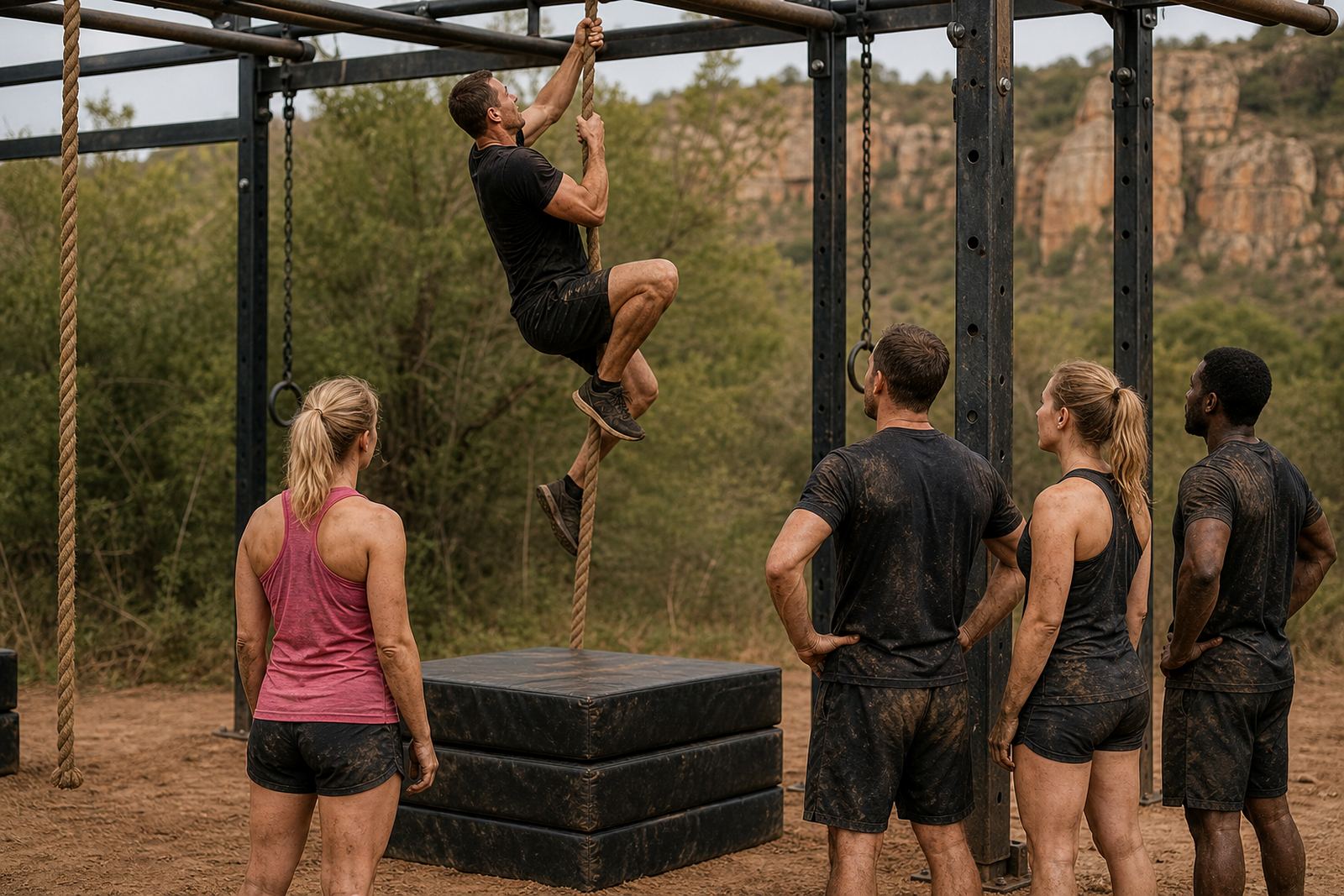
- Grip work for wet bars, cargo carries and rope-style obstacles
- Recovery plan for the day after, especially after downhill running
- Waiver and briefing completed early so the race morning stays calm
What serious entrants normally bring and why it matters
A competitive setup is usually light, secure and easy to manage on the move. The aim is to avoid anything that bounces, rubs or soaks up mud. Most athletes bring race shoes with decent drainage, a spare dry pair for after the finish, comfortable socks, a hydration bottle or pack if allowed, a small towel, sunscreen and a simple change of clothes. In winter months around Hekpoort and Hartbeespoort, a warm top for after the race is worth packing too.
For event day, the useful kit is practical rather than fancy. A watch can help with pacing, but it should not distract you from the course. If you tape fingers or palms for rope work, test that in training first. Loose jewellery, heavy wallets and awkward camera gear usually end up being a nuisance. Where rules allow, some athletes also bring chalk or grip aids, although the course briefing always comes first.
- Trail or hybrid shoes with enough bite for mixed ground
- Compression socks or ankle support if you are already used to them
- Water, snacks for after the finish and a recovery drink if needed
- Dry clothes, cap and wet wipes for the trip back to Pretoria or Johannesburg
Course planning that suits a race-minded group
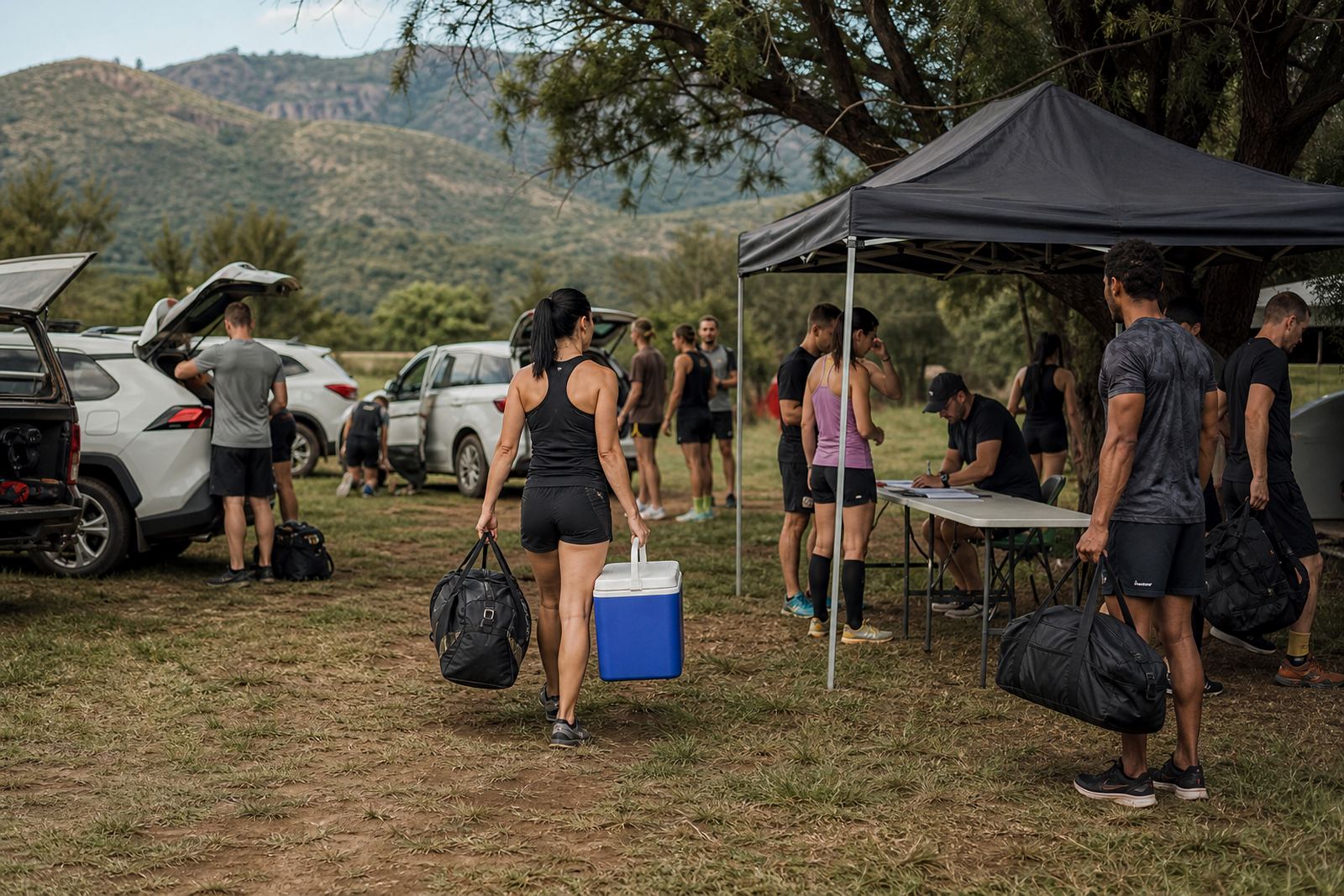
For competitive athletes, layout matters as much as fitness. A well-planned event day starts with heat allocation support, clear participant check-in and a briefing that explains obstacle order, safety rules and where time is usually lost. Team captains need early communication so they can keep the group together without slowing the faster movers unnecessarily. That balance is especially important for corporate teams with a few strong runners and a few first-time racers mixed in.
From an organiser’s side, the useful planning details are usually simple: parking access, where supporters stand, how the recovery area is set up and how team photo moments fit in without clogging the finish zone. At the Hekpoort Venue and surrounding access points near Magaliesburg, the flow needs to account for dust, weather and uneven foot traffic. If there is rain the day before, the ground can change quickly and athletes should expect slipperier sections.
- Group warmup area set aside before the first wave
- Custom team briefing for pacing, penalties and obstacle order
- Recovery area guidance for cold drinks, shade and clean-up
- Supporter planning so spectators do not block narrow sections
The mistakes that cost time on tougher obstacle runs
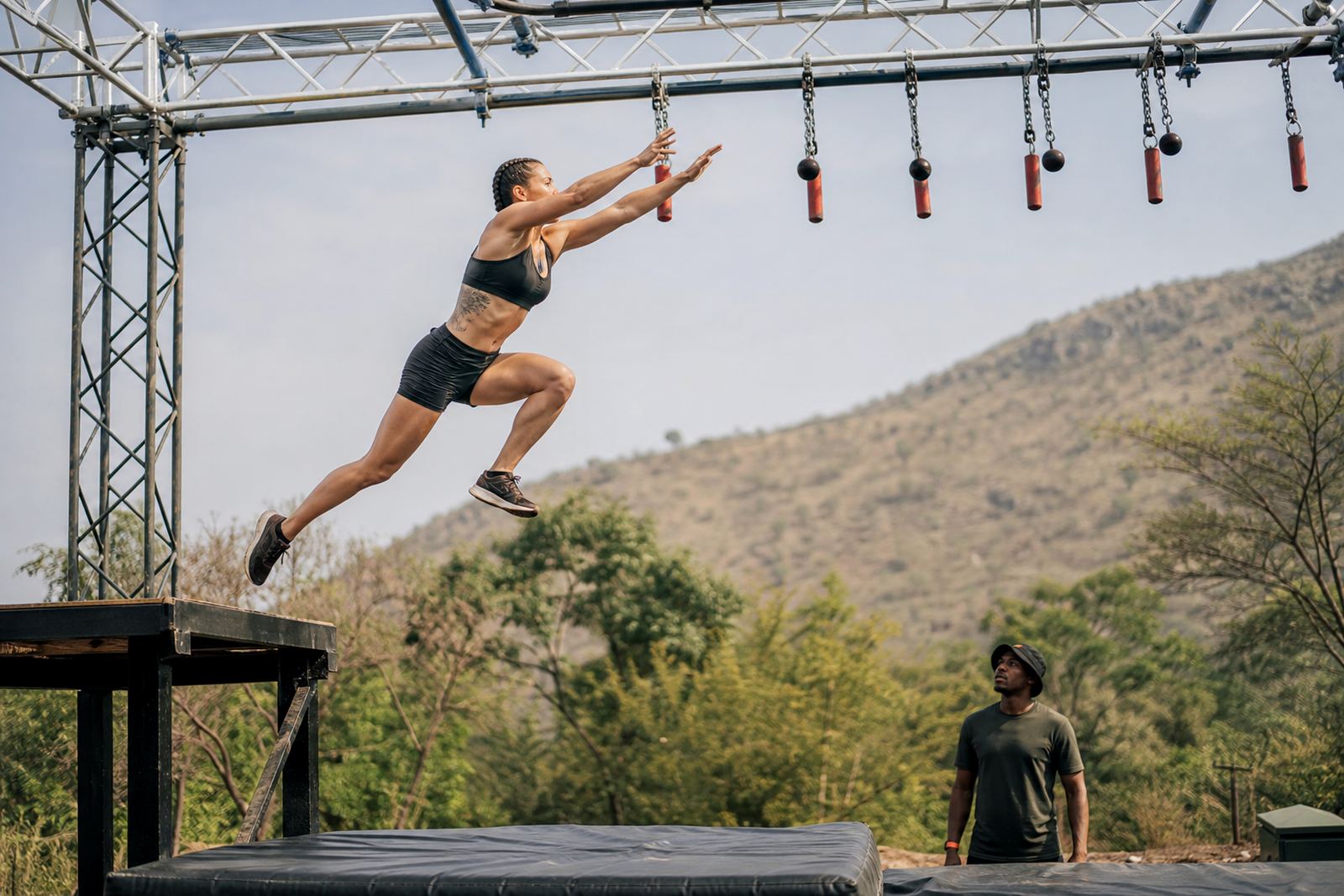
Most time loss in competitive obstacle racing comes from avoidable errors rather than lack of fitness. The common one is starting too fast and arriving at technical obstacles already short of grip and breath. Another is treating every obstacle the same way, when some need speed and others need patience, balance and a clean hand placement. Athletes who skip the briefing sometimes miss key safety instructions or waste time arguing at the obstacle marshal point.
It also helps to avoid overpacking the day. A heavy bag, tight new shoes or last-minute kit changes can make the whole experience feel less controlled. In the North West heat, forgetting hydration is a real problem, while in cooler months around Rustenburg or Potchefstroom a warm-up that is too short can leave the legs flat. Small mistakes build up fast in endurance challenges.
- Going out too hard in the first section
- Using untested shoes, gloves or taping methods
- Skipping the warm-up and then feeling stiff on the climbs
- Ignoring recovery nutrition after the finish
Budget ranges for competitive entry planning in Rand
Budgeting for a competitive race day depends on whether you are travelling solo, bringing a club group or arranging corporate entries. The event entry itself may sit within a modest to mid-range budget, but the fuller cost usually includes travel, accommodation for out-of-town entrants, food, kit replacements and post-race recovery. For people driving in from Johannesburg or Pretoria, petrol, parking and a meal for the road are often the main extras. Travellers from Cape Town, Durban or Bloemfontein may add a night away if they want a calmer schedule.
For group planning, it is sensible to allow for a small buffer in Rand for last-minute kit needs or transport changes. Teams that need waiver coordination, heat allocation support, onsite check-in and captain communication should also factor in admin time. A tighter budget can still work well if the group keeps kit simple and arrives early enough to avoid rushed decisions.
- Entry and admin allowance: plan for a basic to mid-range event budget
- Travel and fuel: more for visitors from further provinces
- Kit refresh: shoes, socks, tape and hydration gear if needed
- Recovery costs: food, drinks and any overnight stay
How our team supports sharp racing without adding noise
Competitive athletes usually want clarity, not chatter. That is where our support team matters. Lerato Zondo handles operations flow, Johan du Plessis leads course build, Ayanda Nxumalo manages participant support, Bianca Khoza handles safety and briefing, Tshepo Khumalo supports training content and Carmen Botha coordinates corporate entries. At base in Hekpoort, the focus stays on practical event movement, clean communication and making sure athletes know what to expect before they hit the first obstacle.
Whether your group is staying close to Hekpoort Venue, arriving via Magaliesburg Venue or travelling in from Krugersdorp, Pretoria, Johannesburg, Rustenburg or Potchefstroom, the process stays the same: complete the waiver, attend the safety briefing, warm up properly and keep your kit light. For athletes who want cleaner technique and steadier pace, that kind of structure makes the race day far easier to manage.