
When a workplace wants more than a braai and a speech
Corporate entries work best when the group wants a challenge that feels real but still gives every person a fair shot. A team may include runners, hikers, gym regulars and people who have not done much high intensity work for a while. That is normal. The event should make space for different pacing while still asking for effort, discipline and a bit of nerve.
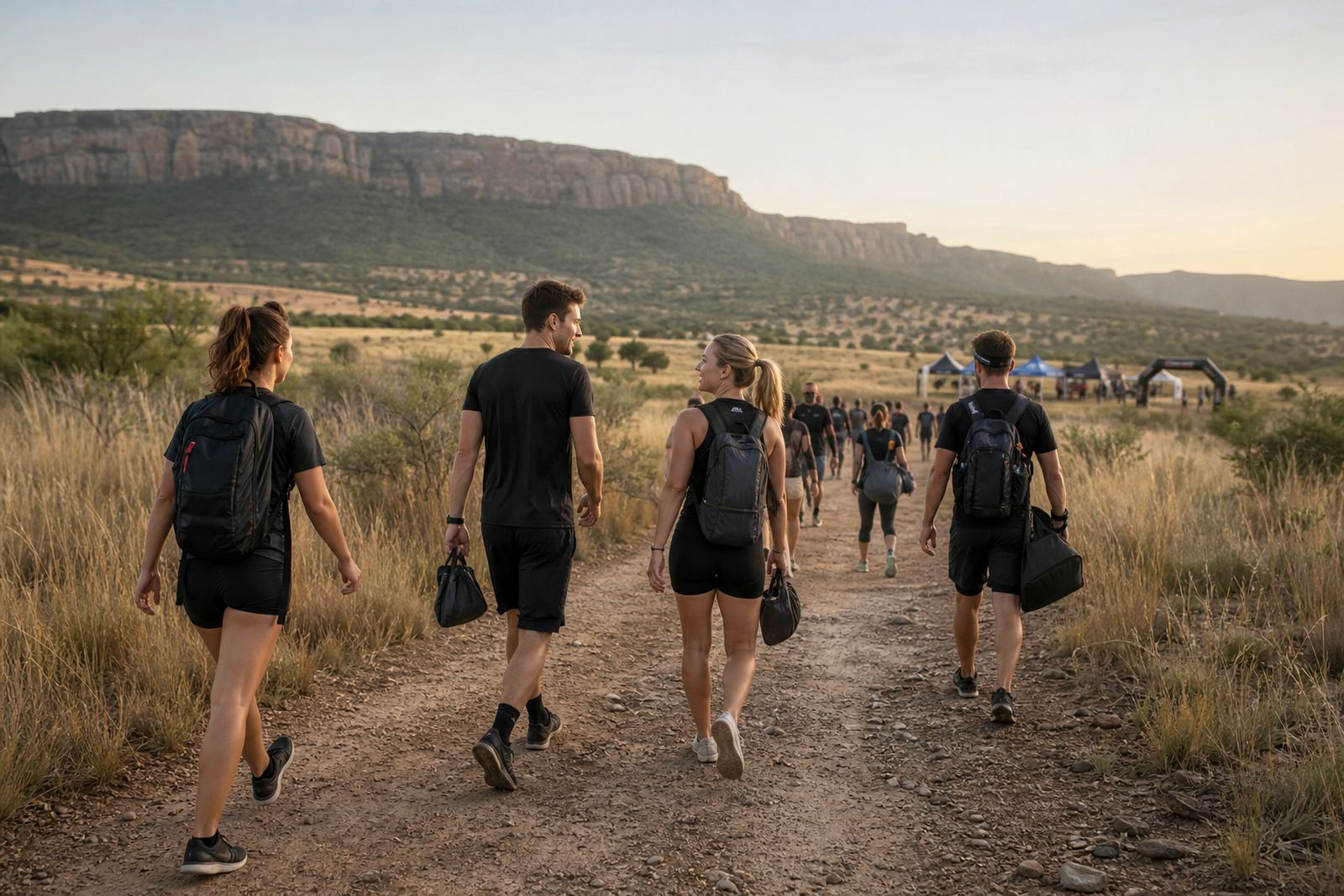
At our Hekpoort base in the Magaliesberg, we handle corporate entry planning for groups that need clear organisation from the first enquiry right through to the day on site. Lerato Zondo helps with operations, Carmen Botha manages corporate entries, and Ayanda Nxumalo handles participant support so the group knows where to go, when to queue and what to expect. That matters when you are moving a whole workplace through a race morning and the clock is already running.
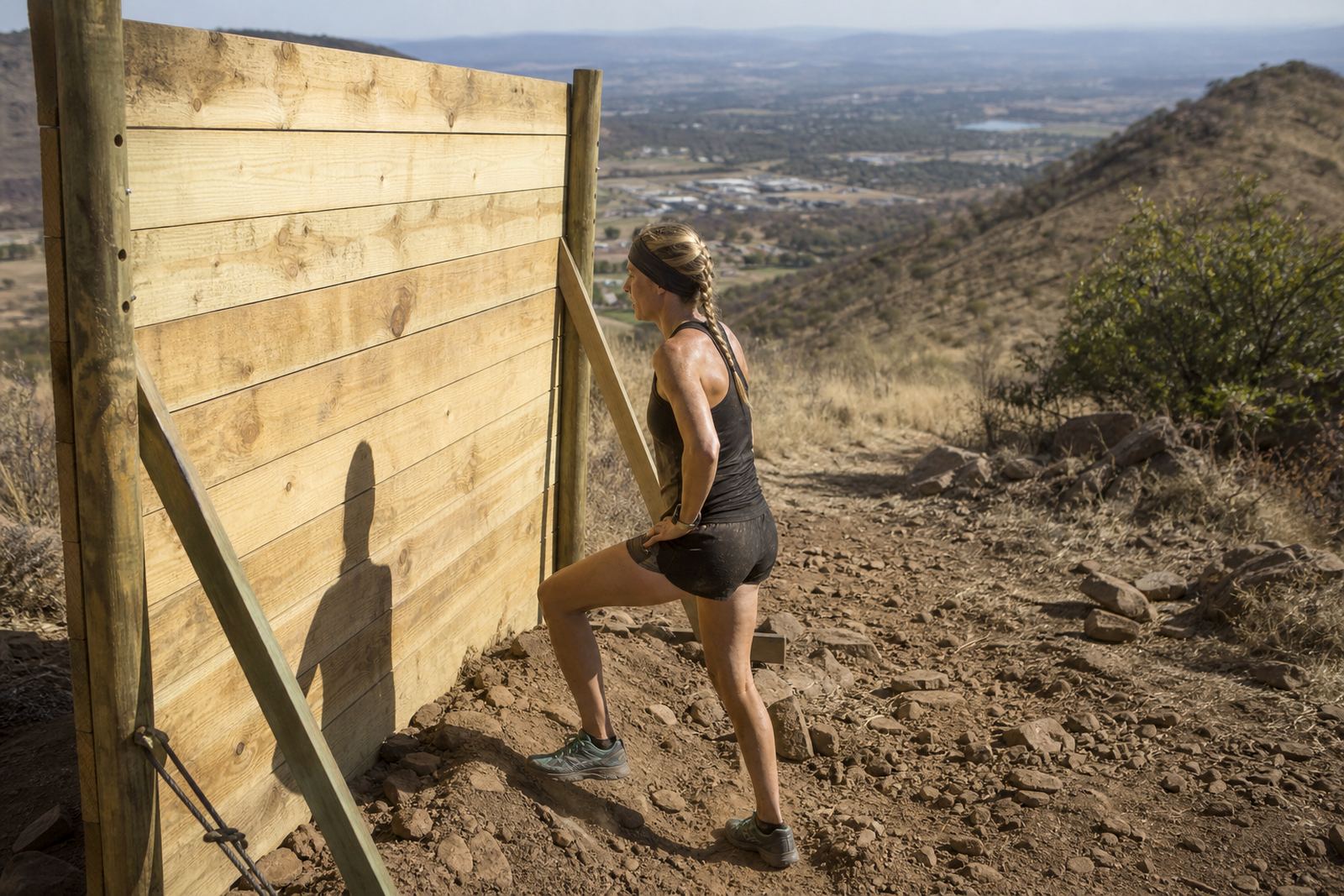
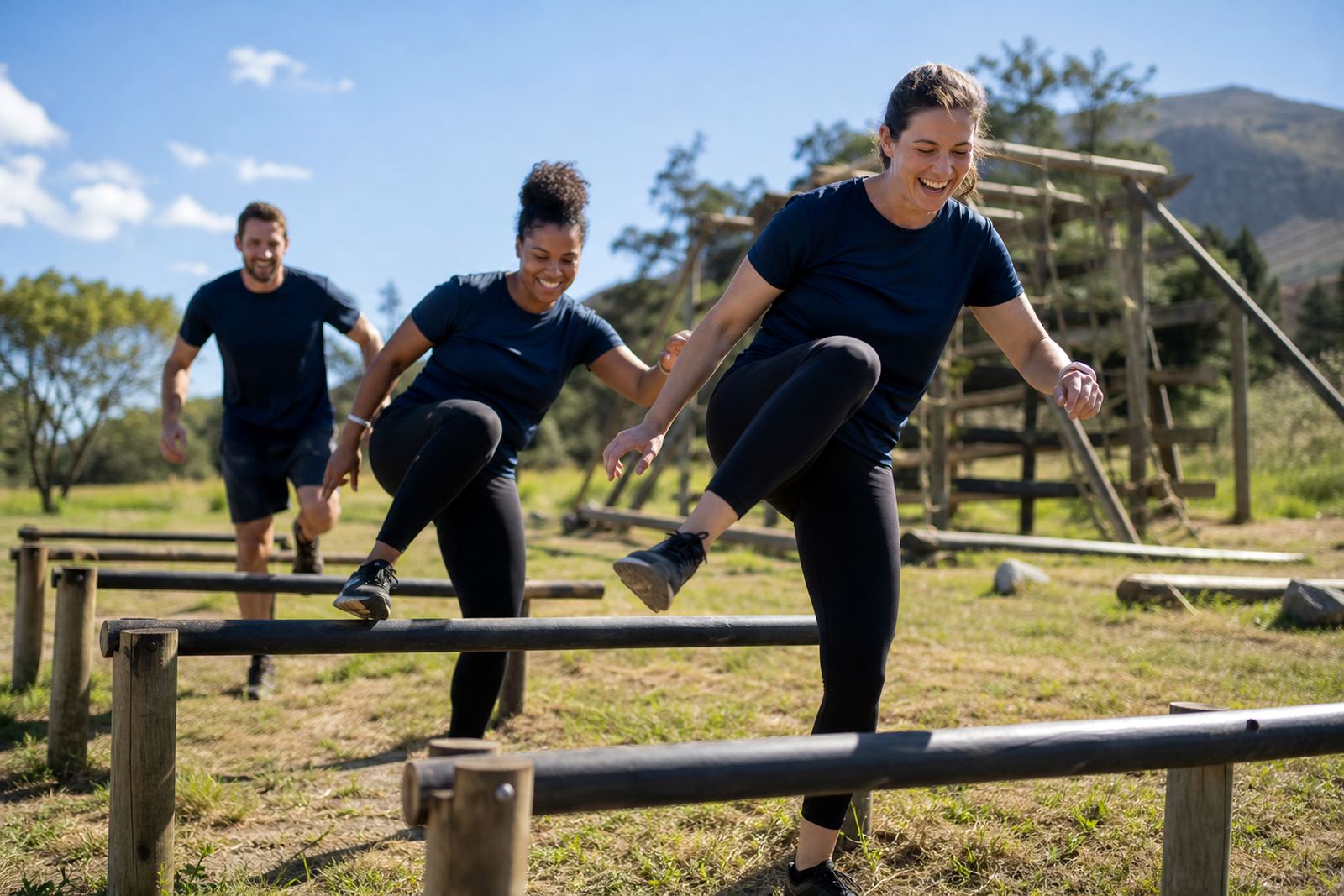
For many companies the goal is morale, communication and resilience. An obstacle course shows very quickly who takes the lead, who keeps the team calm and who needs a hand over a wall or through water, mud or a carry section. The result is not just a photo at the finish, it is a practical look at how people work together when conditions are not comfortable.
What the day usually needs from your side
Corporate teams do not need fancy kit, but they do need the right basics. In North West summer heat, and even on colder mornings in Magaliesberg, footwear and hydration make a big difference. If your group is travelling from Pretoria, Johannesburg or Rustenburg, it helps to pack with the full day in mind not only the race itself.
- Running shoes with grip that can handle dirt, grass and wet patches
- Light clothing that dries quickly and does not chafe
- A spare T-shirt, towel and dry socks for after the event
- Water bottle or hydration pack
- Sunblock, hat and a small snack for after the finish
- ID and any event paperwork that has been sent through for waiver coordination
For corporate groups we also suggest a team leader who can keep track of names, bibs or heat allocation details. Johan du Plessis manages course build work, so the route and obstacle set-up are handled with access, flow and safety in mind. Bianca Khoza leads safety and briefing, which means the group gets clear instructions before anyone starts climbing, crawling or carrying.
How the course is laid out for mixed ability teams
A good corporate layout should reduce bottlenecks and stop the fastest people from disappearing while the rest of the group is still at the first obstacle. That is why team registrations, captain communication and custom team briefings matter. You want a structure that lets stronger runners push ahead if needed, while still keeping the team connected where it counts.
Tshepo Khumalo prepares training content so participants know how to manage climbing, grip, breath control and pace before race day. For corporate groups this often starts with a practical warmup session, a short briefing on movement technique and then a clear explanation of support points on the route. Some teams choose to move together. Others split into waves or send in smaller groups based on fitness and workplace departments.
- Use one team captain per group so messages do not get mixed up
- Confirm heat allocation support early if your party is large or travelling together
- Allow time for onsite team check in, especially for Gauteng teams arriving from the highway
- Plan a recovery area where people can sit, rehydrate and sort out clean clothing after the race
- Keep supporter planning tight so spectators know where they may stand and where they must not block access
We also assist with team photo moments, because many companies want a proper record after the hard work is done. The practical side still comes first though. If the route is muddy or the weather turns, the event needs clear marshal control and sensible movement between obstacles, not guesswork.
Safety decisions that save a lot of trouble
For hard exercise, each participant should check with a doctor if there are any concerns around heart health, joint issues, asthma or recovery from injury. That is especially important for staff who are trying an obstacle course for the first time after a long break. A safety briefing is not just a formality. It is where people learn how to approach a wall, when to wait, what to do if they slip and when to let a marshal know they need help.
Waiver coordination must be done properly, and not left to the last minute. Corporate teams often have one person trying to manage the whole office and that is where mistakes start. Missing forms, late names and unclear emergency contacts can slow the start line down and create friction before the first obstacle has even been touched. Bianca Khoza and Ayanda Nxumalo help reduce that pressure by keeping the process orderly and making sure the group gets the right instructions.
In the Magaliesberg, weather can shift fast. Wind, sudden heat or wet ground changes how people move on the course.If your team is travelling from Cape Town, Durban or Bloemfontein, build in enough margin for road delays and a calm arrival.
Money talk for corporate entries without the fluff
Corporate challenge events are usually priced around the size of the group, the amount of admin needed and whether you want extra coordination like warmup sessions, custom briefings or supporter planning. For budgeting, many workplaces set aside a broad range from about R350 to R1 500 per participant depending on what is included. Larger groups may need separate planning for transport, recovery area guidance and any onsite requirements for staff who are not racing.
It is also wise to budget for the practical extras that people often forget. That can include travel from Johannesburg or Pretoria, refreshments after the race, dry clothes, and a small contingency for replacements if someone arrives without the right shoes or kit. Corporate team days work better when the numbers are settled early and the expectations are clear. If a business waits too long, the admin becomes messy and the group arrives underprepared.
- Do not assume everyone understands the obstacle format
- Do not leave waiver signing until the gate opens
- Do not send people out without water and a recovery plan
- Do not mix team instructions with general spectator chatter
- Do not underestimate how tiring the day becomes in sun, dust or mud
For workplaces in Hekpoort, Magaliesburg, Hartbeespoort, Krugersdorp, Pretoria, Johannesburg, Rustenburg and Potchefstroom, the practical route is the same. Make the booking process clean, brief the team properly and set the day up so the challenge feels demanding but manageable.
What the finish should feel like
A strong corporate obstacle day should leave people tired, satisfied and talking properly to one another on the drive home. Not because everything went perfectly but because the group had to cooperate, adapt and finish under pressure. That is where a workplace often sees the best return from the event. Communication gets sharper, pride gets shared and people who barely speak in the office suddenly work side by side through the hard parts.
Punisher supports that process with sensible planning, clear safety steps and practical help for corporate teams that want an outdoor challenge in the Magaliesberg. If your office needs group registration help, captain communication or a custom team briefing, our team can organise the moving parts so the day runs in order.