Where a trail runner fits into this race day
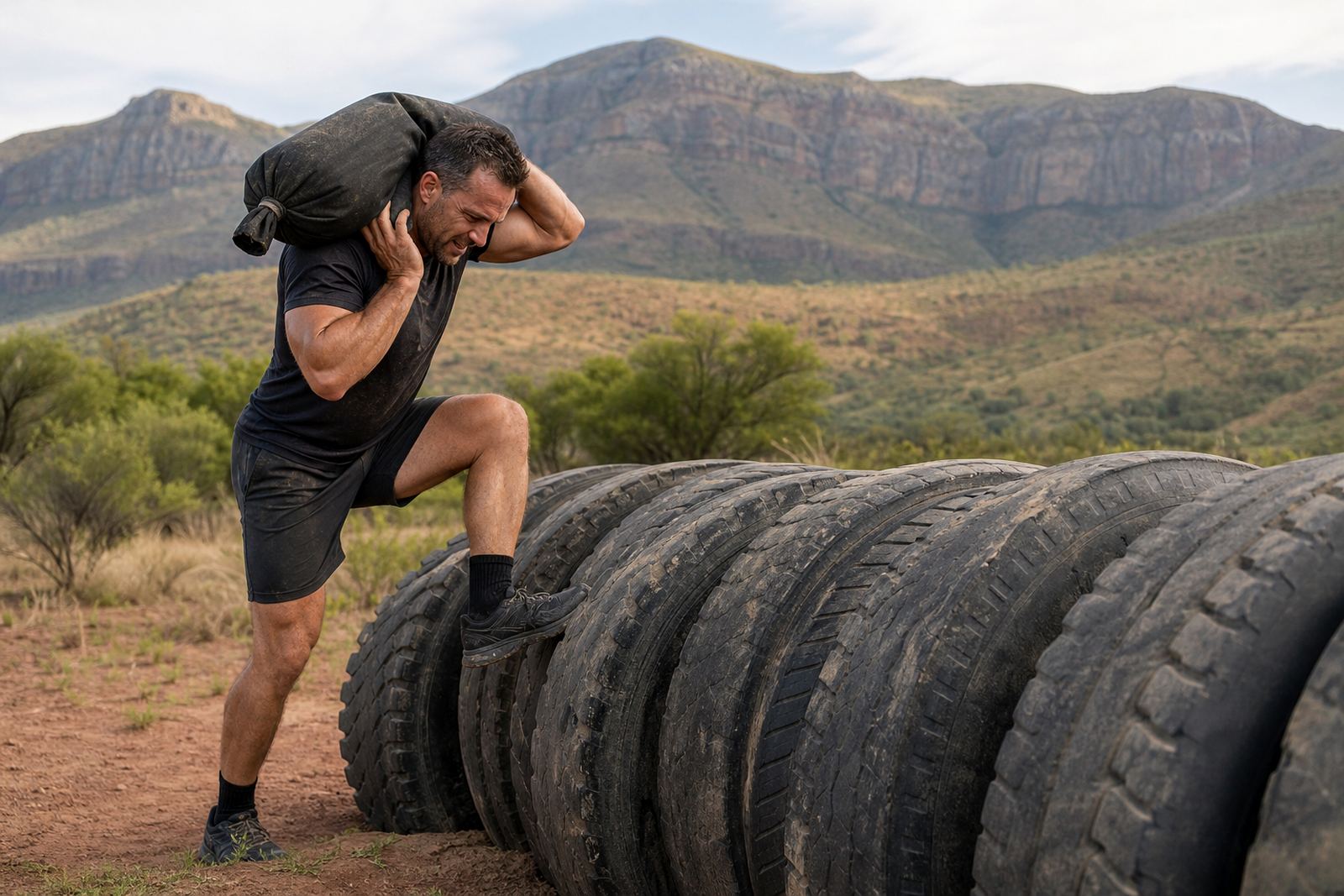
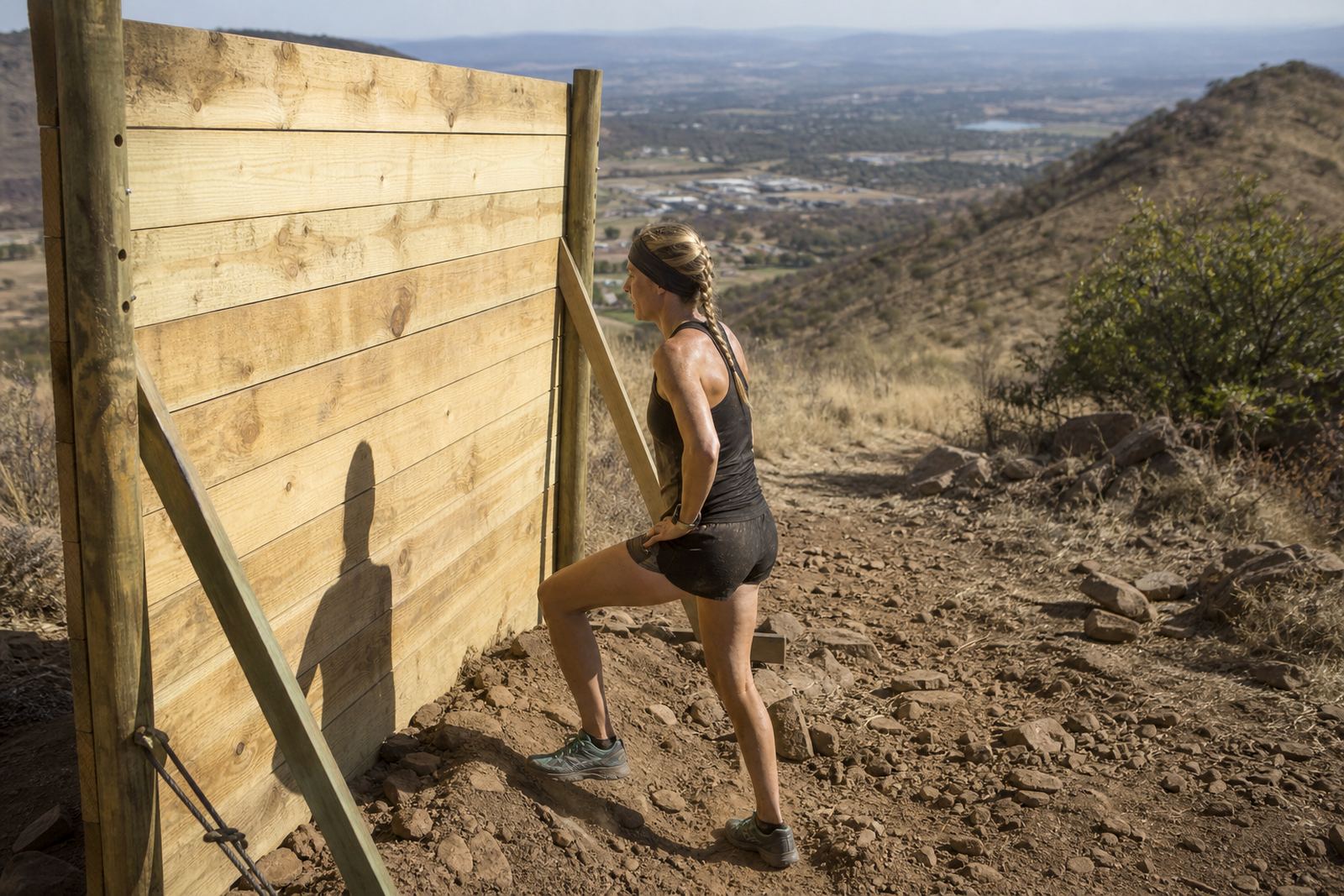
This use case suits runners who are comfortable with long efforts, dusty paths, rocky sections and pace changes, but want more than a straight run. The obstacle course setting gives you hill work, carries, climbs, crawls and balance tasks that sit naturally beside your usual trail training.
It is a good match for runners from Johannesburg, Pretoria, Cape Town, Durban and Bloemfontein who want an outdoor challenge that still rewards steady pacing. In the Hekpoort and Magaliesberg area, the terrain can shift quickly from loose gravel to hard ground, so a strong runner still needs good judgement.
- Useful for trail runners who want variety without losing the endurance feel
- Works well for athletes used to uneven ground, dust, heat and climbs
- Lets you test pacing under fatigue, not only raw speed
What trail runners usually carry and wear
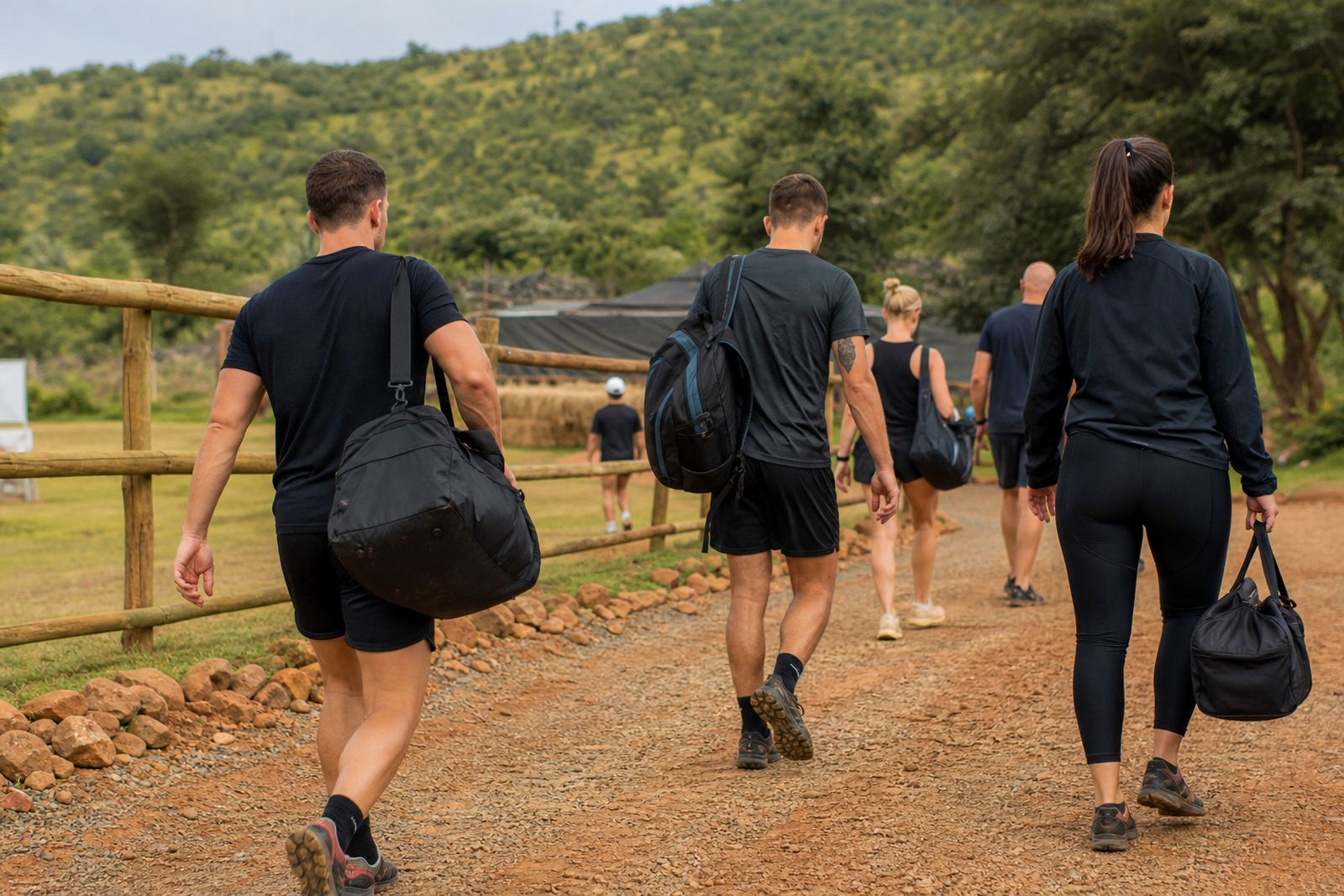
Most runners do best with kit that is light, secure and easy to rinse after the event. Think in terms of grip, comfort and anything that will not move around once you start sweating or carrying water.
- Trail shoes with solid grip and enough toe protection for rock and loose ground
- Quick-dry shirt and shorts or tights that will not snag on obstacles
- Hydration pack or handheld bottle, depending on the course layout and your habit
- Thin gloves for rope work, monkey bars or rough surfaces, if allowed
- Small towel, dry top and a change of socks for after the finish
- Sunblock, cap and a simple recovery snack
Because North West weather can be hot and windy, and coastal humidity is a different kind of challenge for visiting runners, it helps to test your kit before race day. If you are dealing with older shoes or a pack that bounces, sort it out early.
How the course layout should work for runners
Trail runners usually perform best when the layout rewards rhythm rather than constant stop-start chaos. A good obstacle course for this group should allow enough space to run freely between tasks, then ask for body control when the surface changes.
For a runner-heavy group, the planning should keep traffic moving and avoid bottlenecks at climbs, water points and carry stations. Clear heat allocation, captain communication and onsite team check-in help smaller groups stay together without clogging the route.
- Place strength-based obstacles after runnable sections, so the legs are already warm
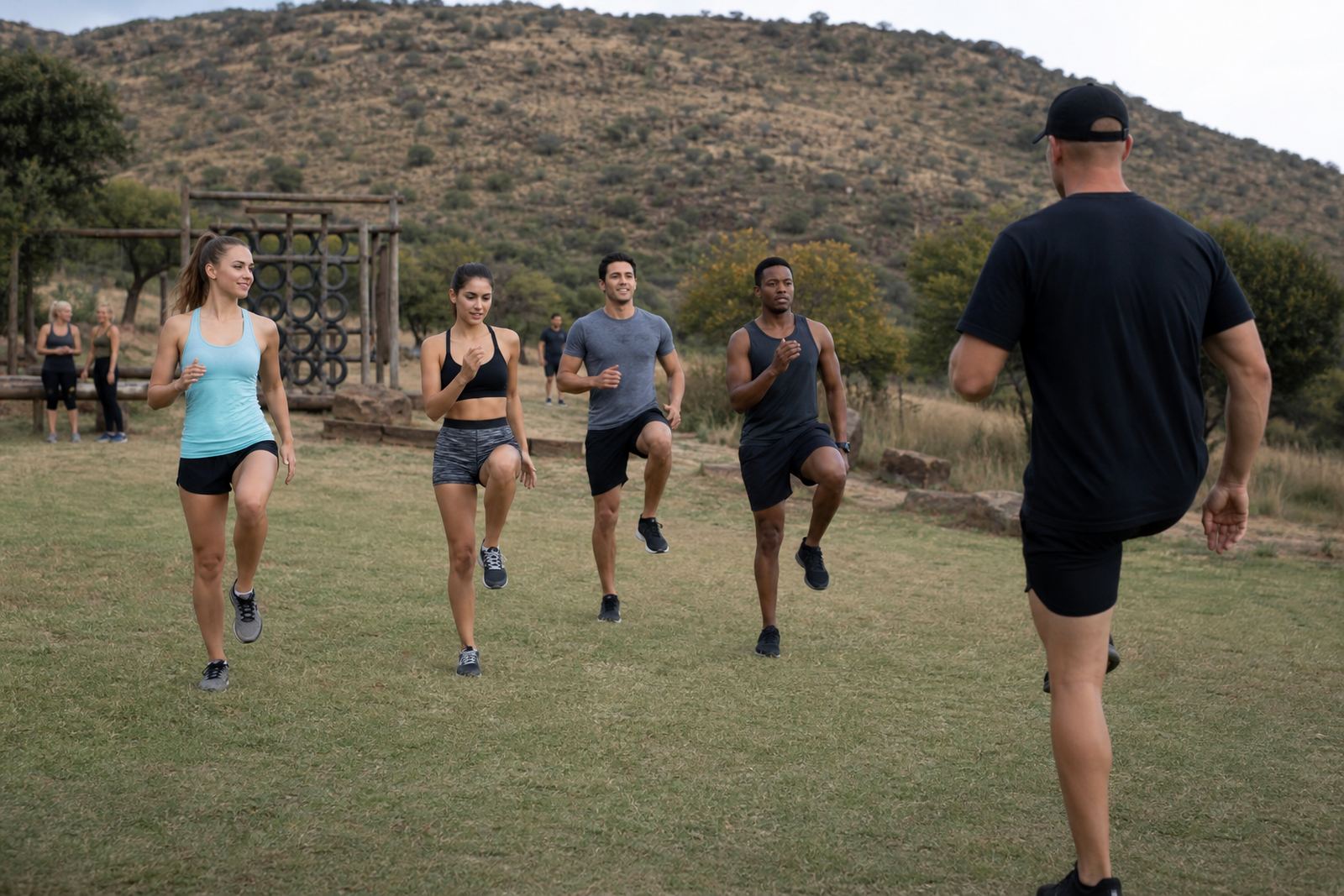
- Use briefing groups to explain where to slow down, where to pass, and where to wait
- Allow recovery space near the finish so runners can settle before they collect belongings
At a venue like Hekpoort, the best setup often uses natural ground shape instead of forcing a flat pattern. That keeps the event honest, and it also reduces confusion when runners move from one surface to the next.
Training advice that suits distance athletes
Trail runners usually arrive with good engine work, but obstacle events ask for extra shoulder strength, grip, core control and short bursts after fatigue. That means a running plan on its own is not enough.
A practical lead-up often includes hill repeats, short loaded carries, crawling practice and upper-body pulling work. If you are not used to rope climbs or hanging stations, it helps to do a few sessions with bodyweight work and grip drills. Before any hard exercise, check with a doctor if you are unsure about your current health or recent injuries.
- Add 1 or 2 strength sessions a week for back, shoulders, core and grip
- Practice running after stair work, carries or short sprints
- Train in the shoes and kit you plan to race in
- Do not ignore ankle stability and balance work on uneven ground
Errors that slow runners down on obstacle terrain
Experienced runners sometimes lose time because they treat the day like a normal trail race. The biggest mistake is going out too hard, then struggling when a carry or climb arrives before the body has settled.
Another common issue is poor kit choices. Shoes with weak grip, loose hydration, overpacked belts and badly fitted gloves can cost more time than the obstacle itself. Some runners also forget that a briefing is not a formality. If you skip the safety notes, you may waste energy on the wrong route or lose time at an obstacle you could have handled smoothly.
- Starting too fast and then blowing up on the first hard climb
- Wearing race shoes that are fast but slippery on loose or wet ground
- Carrying too much gear and bouncing through every section
- Ignoring waiver steps, briefing instructions or marshal guidance
What a budget usually covers in Rand
Budget planning for trail runners should start with the entry process, transport and race-day kit, then move to recovery costs if you need them. Pricing can vary by distance, group size and the services you choose, so it is worth planning for the full event rather than only the entry itself.
For a business or club group, extra support such as team registration help, waiver coordination, safety briefing groups, captain communication and team photo moments can be added into the plan. Some groups also want supporter planning, recovery area guidance and custom team briefing so the whole outing runs more neatly.
- Entry and event access costs, depending on the race format
- Travel fuel or vehicle hire for teams coming from Gauteng or further afield
- Hydration, kit replacement and post-race food
- Optional group support services for smoother check-in and briefing flow
A practical budget for a trail runner is usually built in stages, from the bare minimum to a fuller team day. That keeps the spend under control and makes it easier to choose the right race fit for your group.