
Long-Haul Racers Need a Different Travel Plan
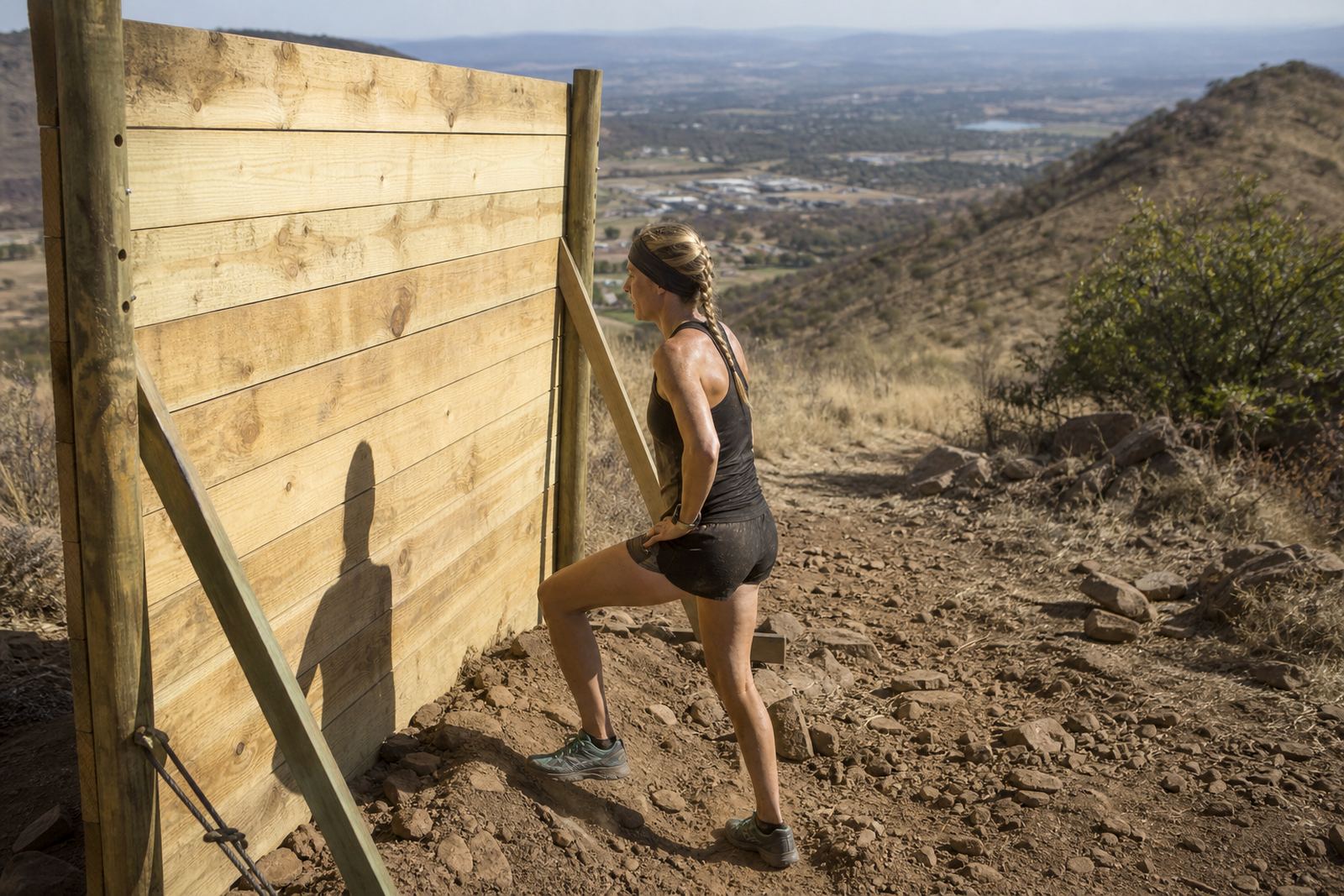
When you are crossing provinces for an endurance challenge, the race starts before you get to the venue. National visitors usually need to plan transport, overnight stays, team kit and recovery time around the event location in Hekpoort, Magaliesberg. The terrain can shift from dust to loose rock, and after rain the ground may be slippery in parts, so footwear and spare kit matter more than most people expect.
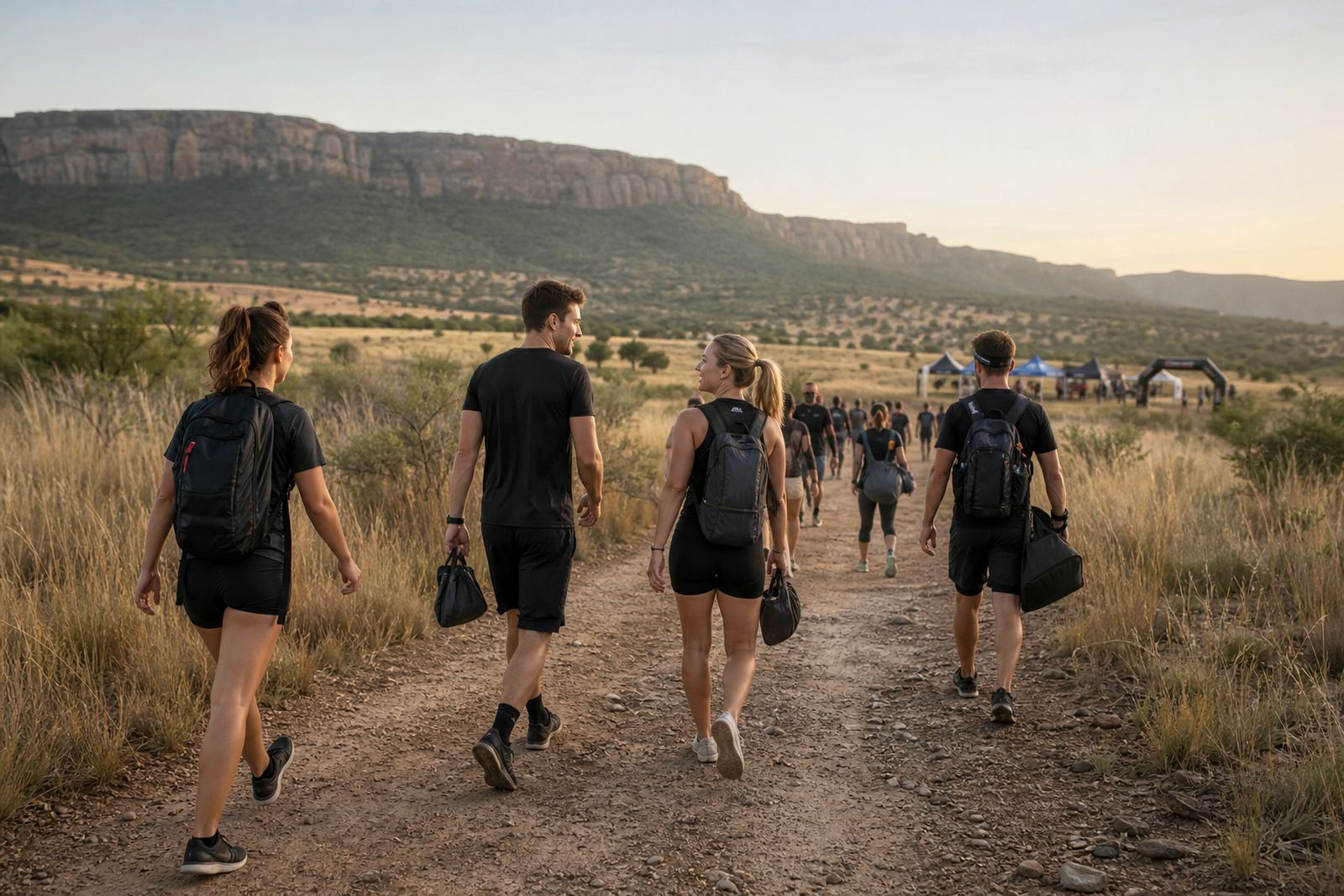
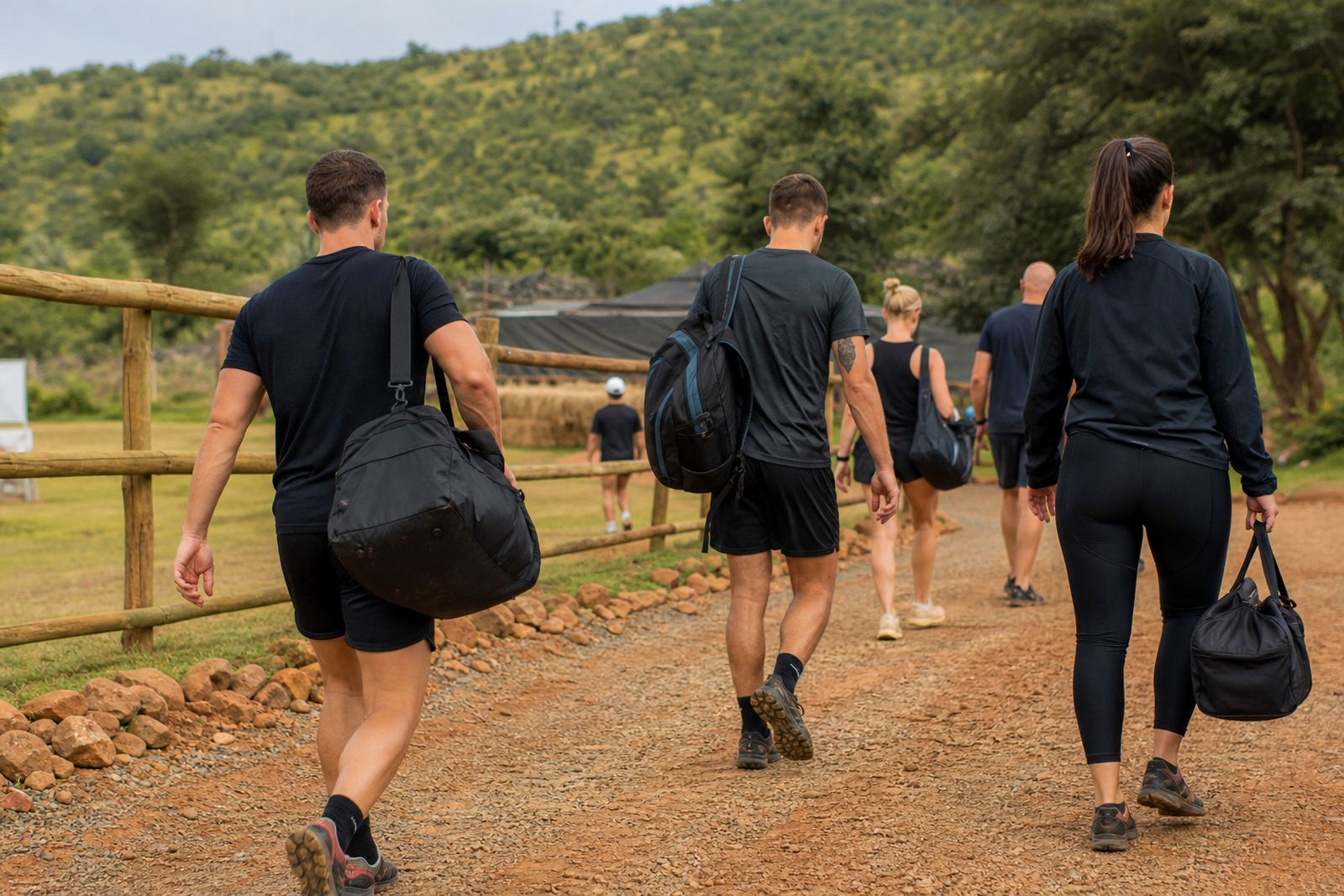
For teams travelling from Cape Town, Durban or Bloemfontein, it helps to treat the outing as a full weekend or day out rather than just a race. Allow time for registration, the safety talk and group check-in. If you are travelling in one vehicle, keep gear packed in a way that makes it easy to hand over shoes, gloves and hydration without unpacking everything on site.
- Pack race kit in a clear bag or labelled backpack
- Keep ID, waiver confirmation and team names handy
- Allow extra time for traffic near Johannesburg and Pretoria corridors
- Bring a change of clothes for after the finish
The Kit That Usually Makes Sense on a Magaliesberg Course
Obstacle course races are hard on clothing and hands, so practical kit is better than fancy kit. Most visitors arrive with trail shoes or grip shoes, tight-fitting athletic clothing, a cap or visor for sun protection, and a small hydration bottle or pack. Gloves can help on rope work, wall climbs and cargo-style obstacles, although some athletes prefer bare hands for better feel. It depends on the person and the course conditions.
For mixed terrain in the North West, moisture-wicking tops are useful because heat builds quickly and then cools off in shaded areas. A light jacket can help if you are waiting around early in the morning. If you are driving in from Durban or the coast, factor in humidity and pack an extra top because damp kit gets uncomfortable fast. A towel, plastic bag for muddy shoes and a basic recovery snack also make sense.
- Trail shoes with grip and a secure heel
- Snug athletic shorts or tights, not loose fabric
- Water bottle or hydration pack
- Light gloves if you want hand protection
- Towel, spare socks and dry clothes for the trip home
Layout Choices That Help Teams Travel Better
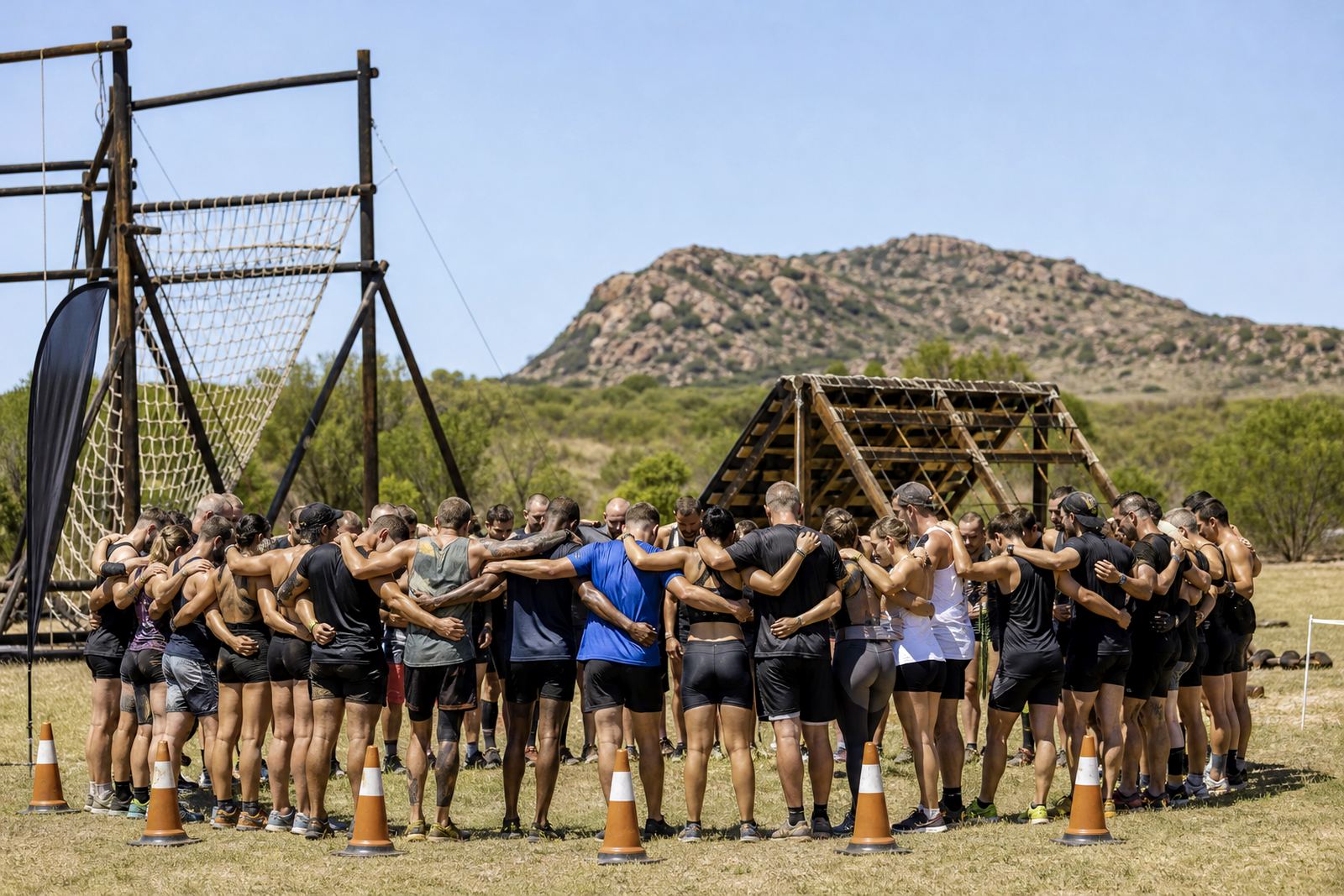
National visitors are often part of a corporate team, club group or mixed crew that has not trained together in person. That is where good layout and planning help. At Punisher, team registration help, captain communication and heat allocation support make it easier to keep everyone in the right place before the start. A quick group warmup session also helps settle the nerves and reduces the chances of people starting cold.
For travelling teams, the most useful arrangement is usually to keep the group together from check-in to finish, with one captain holding the main details. If some members are stronger runners and others are first-timers, it helps to place them in the same race wave only if they are comfortable with that pace. Otherwise, separate start groups may be easier. Supporter planning matters too, because families and colleagues often need a spot to wait without blocking access routes or the briefing area.
- Nominate one captain to carry the team information
- Keep the team together for the briefing and warmup
- Plan a finish meeting point for photos and recovery
- Leave space for supporters away from the obstacle lanes
Safety Briefings and Waivers Are Not Just Formalities
Before any hard exercise, check with a doctor if you have concerns about your fitness, injury history or a long break from training. On race day, the safety briefing sets out how to move through the course, where to slow down and how to handle obstacles properly. It also explains what to do if someone twists an ankle, feels faint or needs to step off the route.
Waiver coordination is part of the admin that national visitors should handle early. If a team is travelling from outside the area, missing signatures can slow down onsite check-in and create pressure right before the start. Bianca Khoza, our Safety and Briefing Officer, works through the briefing groups so participants know what to expect before they head out. That is especially useful for first-timers who have never handled rope climbs, carries or water-based sections before.
- Read the waiver before travelling, not at the gate
- Listen closely to obstacle-specific instructions
- Tell the team lead about injuries before the start
- Keep hands free and pockets secure during the race
Budget Ranges Visitors Should Plan For in Rand
Travel from Cape Town, Durban or Bloemfontein usually adds more cost than local entrants expect. The race entry is only one part of the total, and national visitors should budget for fuel or flights, road transport, one or two nights away if needed, meals, parking and replacement kit. If a team is entering together, the practical savings often come from sharing transport and accommodation rather than trying to cut corners on food or recovery items.
For a single visitor, a modest race weekend can sit anywhere from around R1 200 to R3 500 before optional extras, depending on how far you are travelling and whether you stay overnight. Teams and corporate groups often plan higher, especially if they need multiple vehicles, added kit or a recovery meal after the race. There is no need to overbuy special gear, but it is worth allowing a buffer for small costs that always appear on the day.
Common mistake: underestimating how much energy the event takes. Another one is packing too late and forgetting simple things like socks, tape or a spare shirt. People also sometimes arrive with no plan for the finish area, then spend half an hour searching for their group while tired and muddy.
What National Visitors Usually Ask For After the Finish
Once the course is over, most travelling participants want a place to breathe, change and regroup. Recovery area guidance helps crews find the right spot to sit, eat and sort out footwear before heading back to the road. Team photo moments are often important too, especially when the group has travelled from another province and wants something to show for the effort.
Ayanda Nxumalo coordinates participant support, while Carmen Botha handles corporate entries and the practical details around larger group bookings. That means travelling teams can keep their own focus on the race instead of juggling several people for one booking. If you are organising a national group, the cleanest approach is to finalise names early, confirm waiver details and make sure the captain knows the finish plan.
Visitors who prepare properly usually leave with less stress and better race memories. The Magaliesberg can be demanding, but with the right kit, a clear group plan and a sensible budget, it becomes a straightforward trip instead of a scramble.