When gym work meets a muddy hill
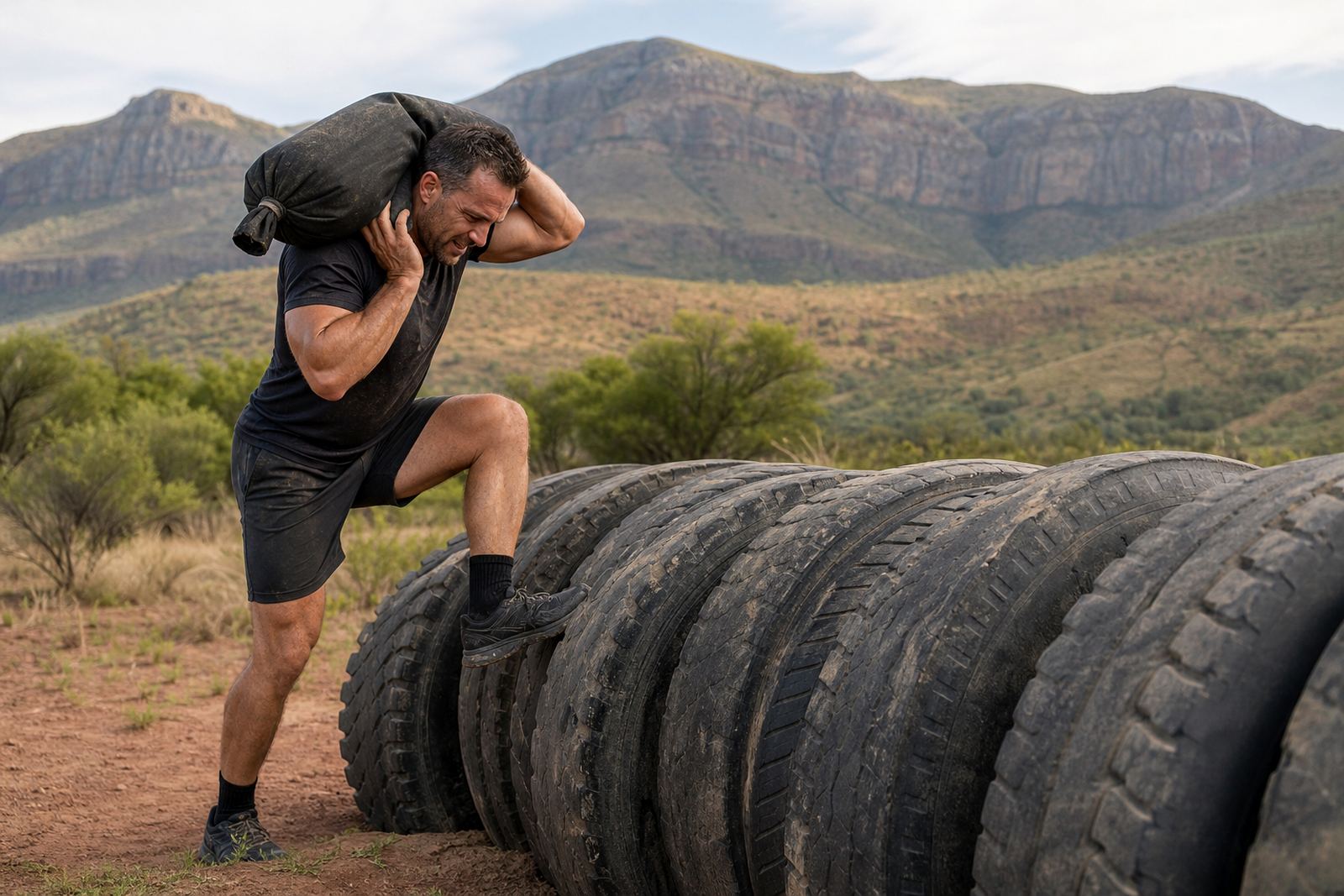
Many gym members are strong on the rig, the rower and the sled, but a race course asks for more than straight-line power. There is climbing, crawling, carrying, balance work and moving under fatigue, often on uneven ground around the Magaliesberg where dust, rock and heat can all play a part.
That is why this use case suits people who already train hard and want a proper outdoor benchmark. It is not about looking polished, it is about using the strength you have built in a setting that changes every few metres.
- Good fit for lifters, functional training groups and conditioning classes
- Useful for members preparing for hybrid fitness events or team challenges
- Works for mixed levels when the group wants shared effort rather than individual time trials
The sort of kit most groups arrive with
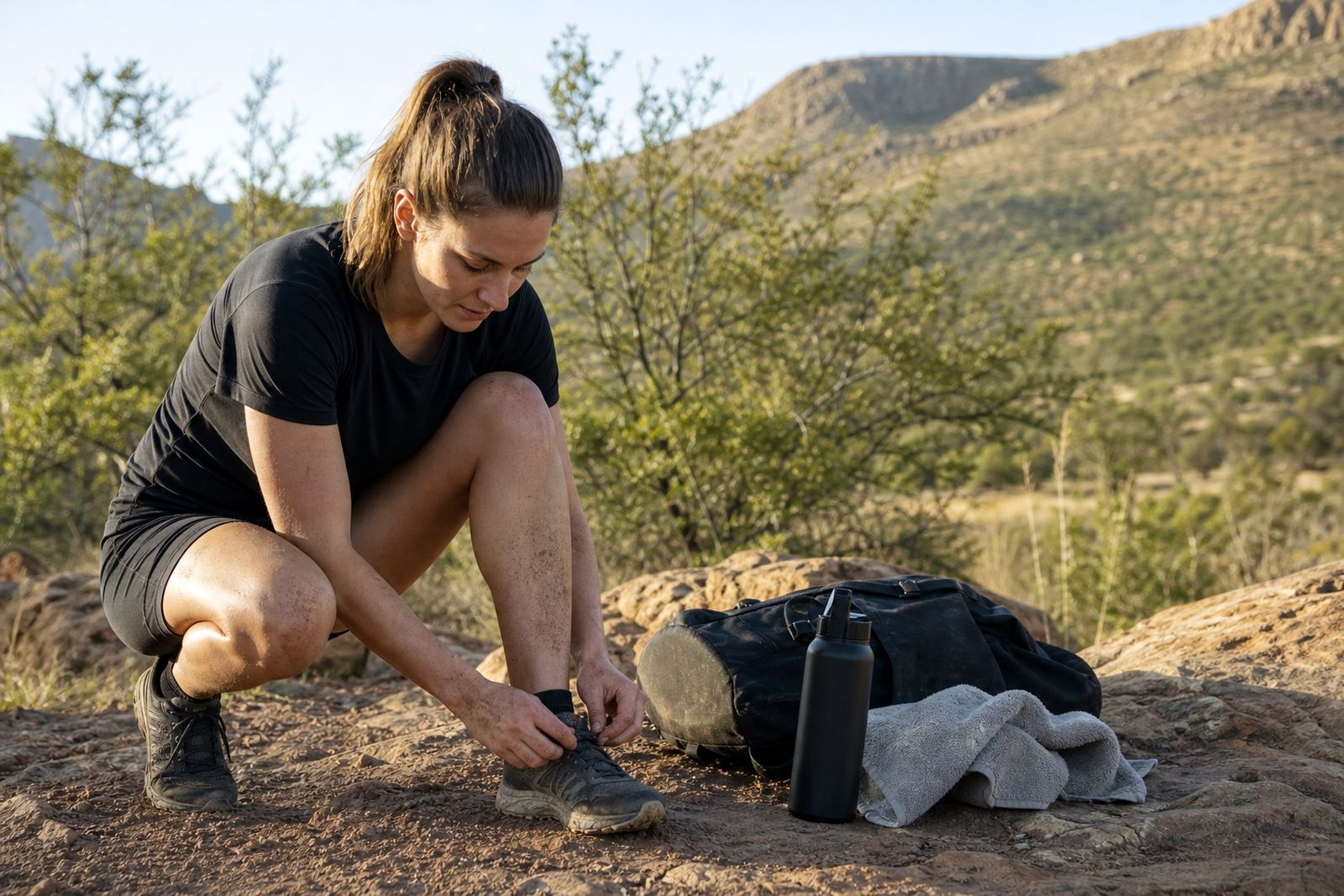
Gym members usually bring clothing that can handle abrasion, sweat and a fair bit of washing after the event. In the North West sun, light layers, grip-friendly shoes and a cap for the wait before heat starts are practical choices. In winter mornings around Hekpoort and Hartbeespoort, a thin top for the start area can help until the body is warm.
We always suggest packing for comfort and recovery too, not only the race itself. A small bag with the right basics saves a lot of fuss later on.
- Tight fitting shirt or vest, and shorts or leggings that stay put
- Trail shoes or trainers with decent tread
- Water bottle, towel and a change of clothes
- Sunblock, plasters and any personal items needed after finishing
For teams travelling from Johannesburg, Pretoria or Rustenburg, it also helps to have one person keep track of bags and post-race gear. That small step avoids lost items and makes checkout much smoother.
Planning the day so the group does not bunch up
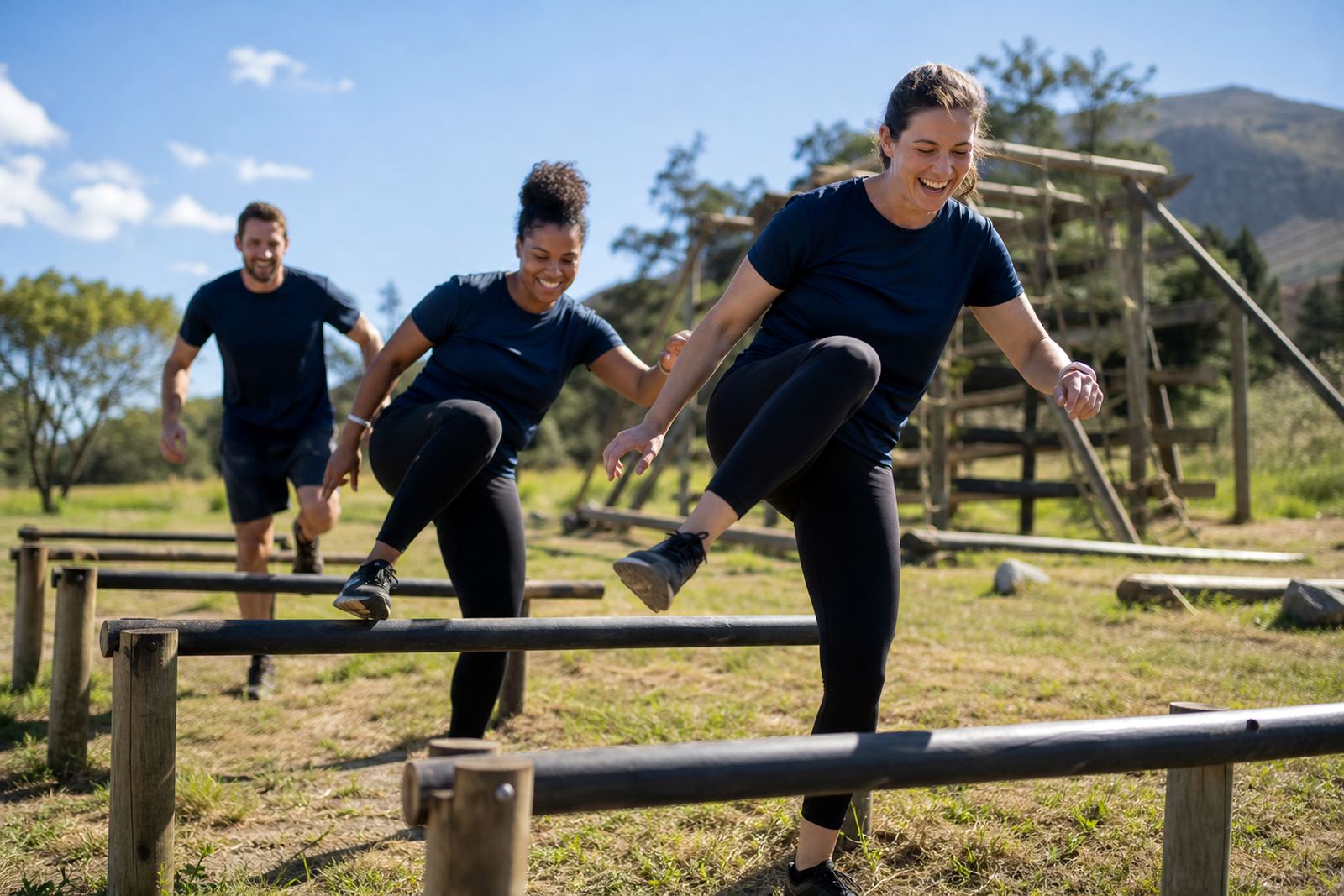
A gym group often travels with different fitness levels, so the layout matters. Heat allocation, grouped check-in and a clear briefing area prevent the faster runners from leaving others stranded before the start. The best outcome is not everyone moving at the same speed, but everyone knowing where to go and what the next step is.
For corporate gym groups, studio members or training partners, we help with captain communication, team registration help and onsite team checkin. That keeps the flow orderly even when the venue is busy and there are multiple groups coming through from Pretoria, Bloemfontein or Cape Town.
- Use a captain for one point of contact
- Confirm names early so waiver paperwork is not left for race morning
- Plan a warmup block before the first wave
- Allow time for photos and recovery instead of rushing straight off
Training choices that carry over better than extra reps
Hard gym training helps, but the course punishes poor pacing. If members only train for heavy lifts, they can run out of breath early or gas on carries and climbs. A better approach is to mix strength with repeated effort, short runs, grip work and mobility so the body can handle transitions. A bit of leg endurance makes a big difference, and so does learning to move while tired.
We also recommend that anyone taking part in demanding exercise checks with a doctor first, especially if they are returning from injury or have a health concern. That is a sensible step before any hard event.
- Practice moving from effort to effort without long rests
- Work on grip, core and shoulder endurance
- Include hill work or loaded carries where possible
- Do not leave tapering to the last day, it usually shows on the course
Safety talk before the first obstacle
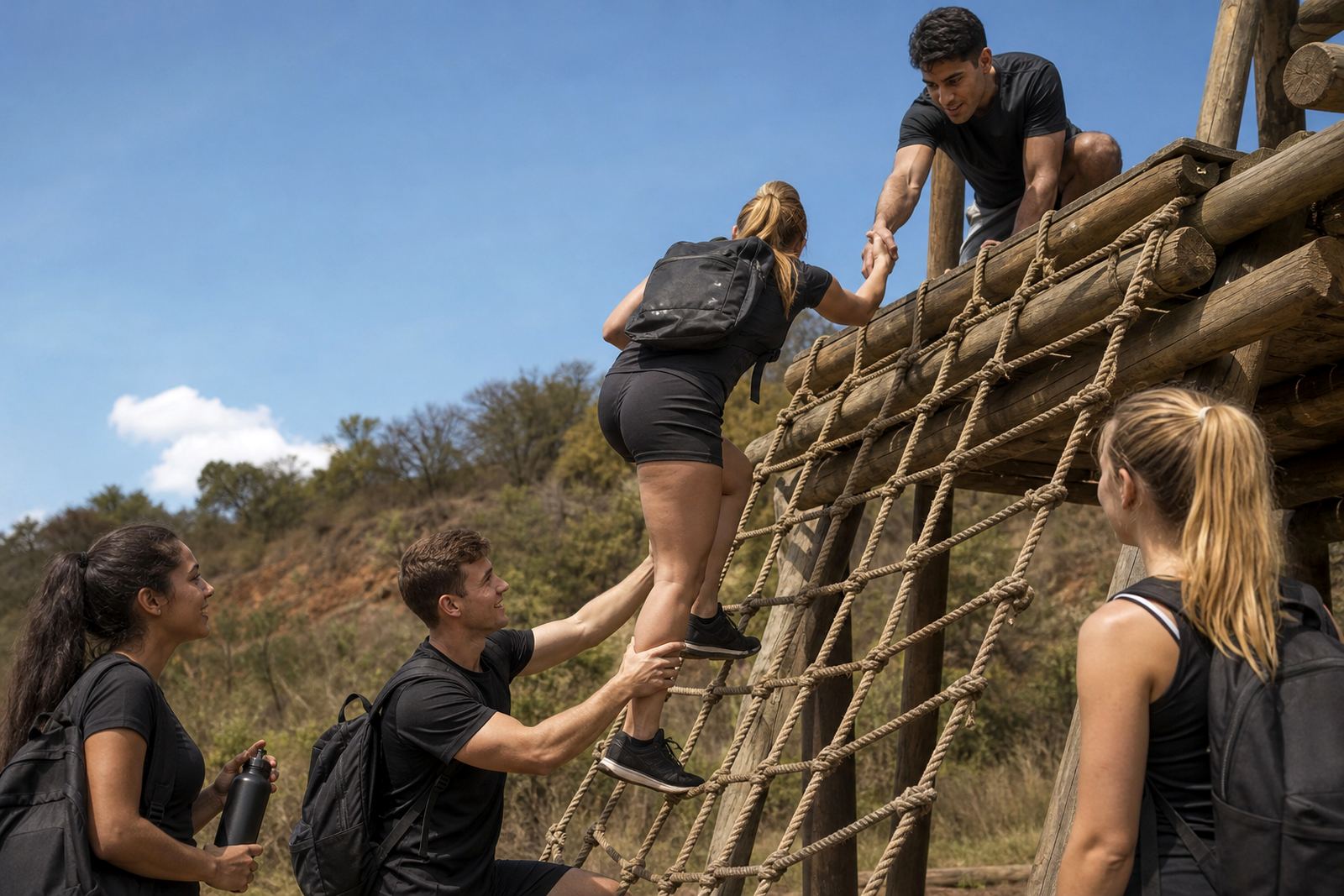
Obstacle events are better when the group understands the rules before they start. Our safety briefing groups cover how to approach obstacles, when to ask for help and what to do if someone slows down or needs a pause. For gym members used to pushing through discomfort, that reminder matters. Not every obstacle is worth forcing.
Waivers need to be handled properly, and clear briefing reduces confusion at the start line. In wet weather, on dusty ground or during stronger afternoon sun, a calm briefing can prevent the kind of small mistakes that turn into bigger problems.
- Listen for obstacle-specific instructions before entering each section
- Keep spacing so elbows, ropes and climbing points are easier to manage
- Report slips, cramps or gear issues early
- Follow marshal direction around recovery areas and spectator zones
Bianca Khoza leads the briefing side, while the support crew keeps participants moving in an organised way. It makes a real difference when a group of gym members arrives confident, but not careless.
What these outings usually cost in planning terms
For gym members, the budget is usually a mix of event entry handling, transport, team coordination and the bits that make the day easier. A small self-organised group may only need basic registration support, while a larger club or training box may want custom briefing, photo moments, recovery area guidance and supporter planning. Prices vary by group size, location and the level of coordination needed.
As a rough working range, smaller group planning can start from a few hundred Rand per participant for basic admin support, while more involved team coordination and onsite assistance can move into the higher hundreds or low thousands per group, depending on the format. Travel from Durban, Cape Town or Bloemfontein will also affect the final spend because of road time and overnight needs. It is worth setting a budget early so no one is caught out.
Common mistakes are easy to avoid. Teams often underestimate travel fatigue, overpack gear they will not use, or fail to assign one person to handle questions on the day. Another one is forgetting that some members need a slower pace at the start, even if they can lift heavy in the gym. That mix of pace and patience matters more than most people think.