
What the course usually asks of a first-timer
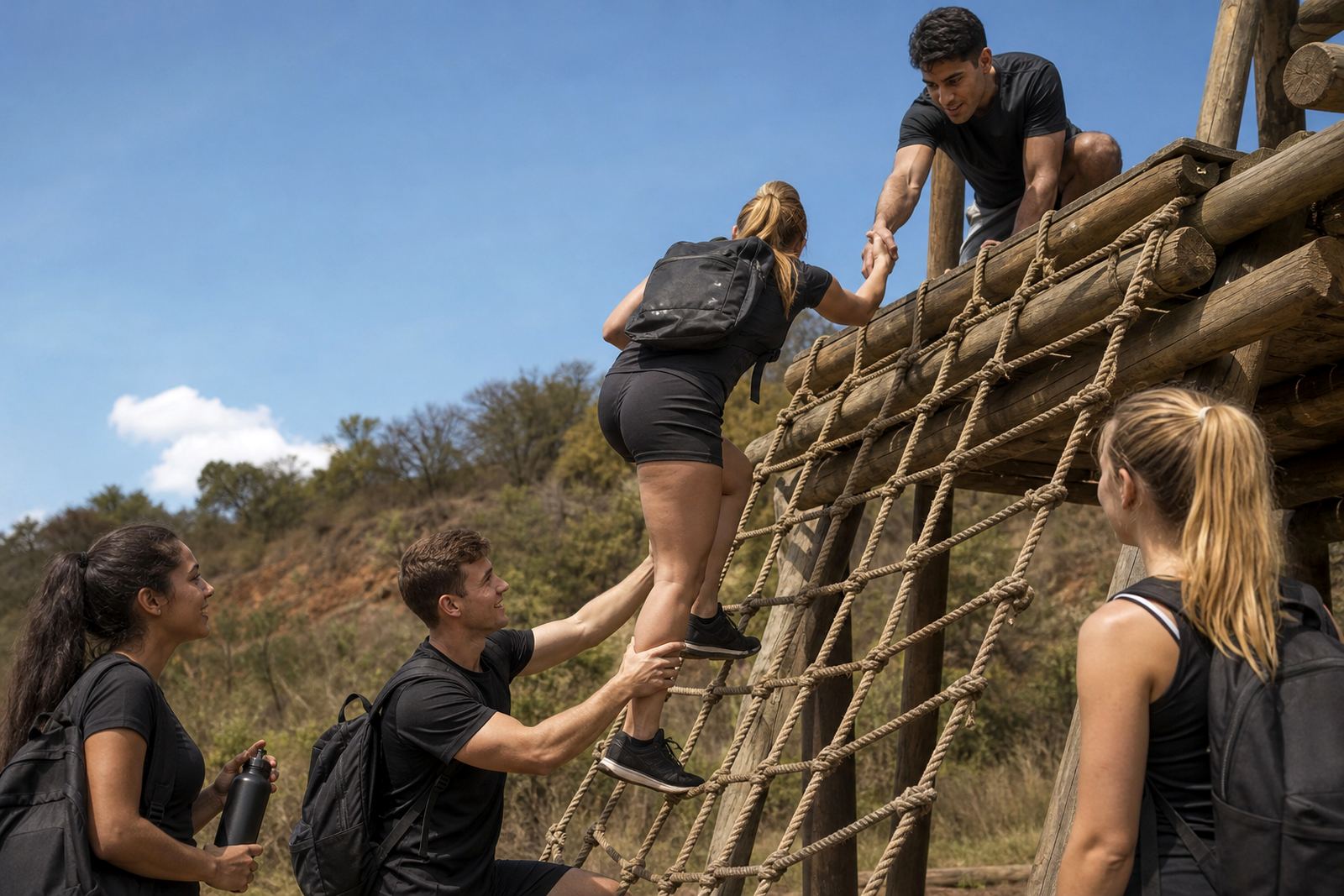
An obstacle course race mixes running, climbing, crawling, carrying and a few wet or muddy sections depending on the venue and the weather. In the Magaliesberg, wind, dust and uneven ground can change how a course feels from one event to the next, so first-timers do best when they pace themselves rather than trying to rush every obstacle.
You do not need to arrive as a seasoned athlete. Many newcomers from Johannesburg, Pretoria, Cape Town, Durban and Bloemfontein use their first event as a benchmark for general fitness, teamwork and mental stamina. The point is to finish safely, not to race other people through every section.
- Expect hills, sand, gravel or rocky sections at some venues
- Expect grip based obstacles that ask for upper-body effort
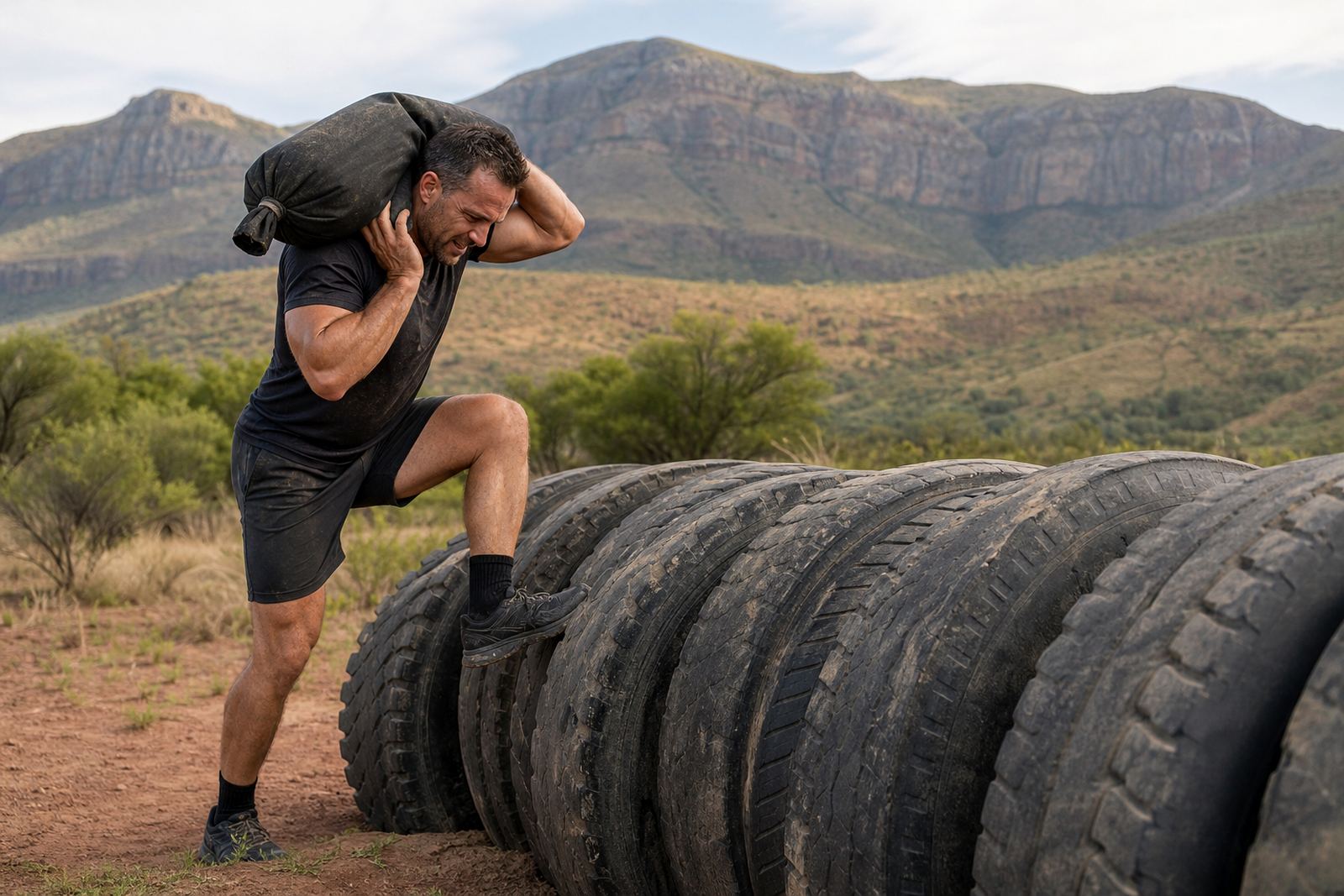
- Expect carry tasks where the weight is manageable but awkward
- Expect a briefing before you start, so rules are clear
The kit that makes race day easier
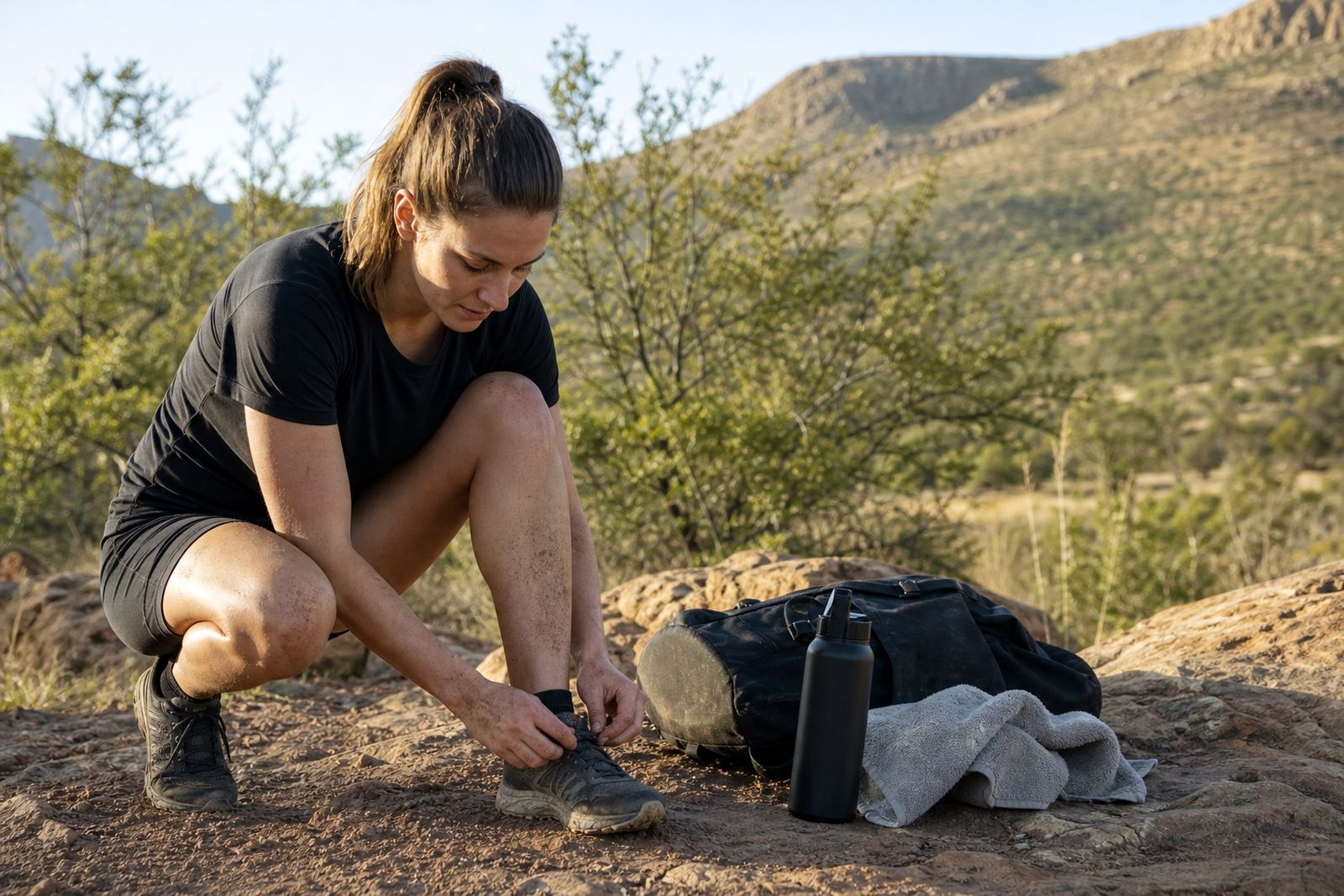
For a first event, wear clothing that stays in place, dries quickly and does not chafe. Technical tops, fitted shorts or tights and socks that can handle mud are usually better than loose kit. Trail shoes or training shoes with decent grip are the common choice, especially if the ground is dusty in Hekpoort or slippery after rain.
Bring a change of clothes, a towel and a plastic bag for dirty kit. If you wear glasses, use a secure strap. Gloves are optional and some people prefer bare hands for grip, but if you are new to climbing or monkey bars, lightweight gloves can help with friction. A hat, sunscreen and enough water for the day are worth packing even if the weather looks mild.
- Photo ID for registration if requested
- Water bottle or hydration pack
- Dry socks and footwear for after the race
- Small snack for after the finish
- Any taped support or personal items you are permitted to carry
How the briefing and waiver side works
Before a participant starts, there is usually a safety briefing that explains the course layout, obstacle rules, penalty options if an obstacle cannot be completed, and what to do if you need assistance. Listen carefully because the instructions can change between venues, especially when the build is adjusted for terrain, weather or municipal requirements.
Waivers are part of the process because obstacle racing has physical risk. Read every page before signing and make sure the details are correct for the person entering. If you are entering as a team or for a company group, confirm that each participant understands the rules, the release terms and any age or health requirements. If you have been away from exercise for a while or have a known medical concern, check with a doctor before hard exercise.
- Confirm names and emergency details before submission
- Check whether the race uses waves or heat allocation
- Keep your confirmation notes and ID handy on arrival
- Ask questions during the briefing if anything is unclear
Training without turning it into a full-time project
You do not need a fancy gym plan to prepare, but a few weeks of steady work helps. Focus on walking or running for time, bodyweight squats, lunges, planks, push-ups and some pulling work if you have access to bars or rings. Hills are useful too, especially for runners travelling from flatter areas who want to handle Magaliesberg terrain better.
Keep the pace sensible. Many first-timers go out too hard in the first kilometre and pay for it later. A better plan is to warm up properly, move steadily between obstacles and save energy for the last section. Train at least once in footwear similar to what you will wear on the day, because slippery shoes can turn a manageable obstacle into a scramble.
- Two or three short cardio sessions per week
- One strength session with legs, core and grip work
- One walk or jog on hills or uneven ground
- One rest day before race day if possible
The mistakes that catch newcomers out
First-time racers often turn up with too little water, poor footwear or clothing that rubs. Another common mistake is not eating properly beforehand. A light meal a few hours before the start usually works better than arriving hungry or overstuffed. Caffeine can help some people, but too much can leave you shaky on the line.
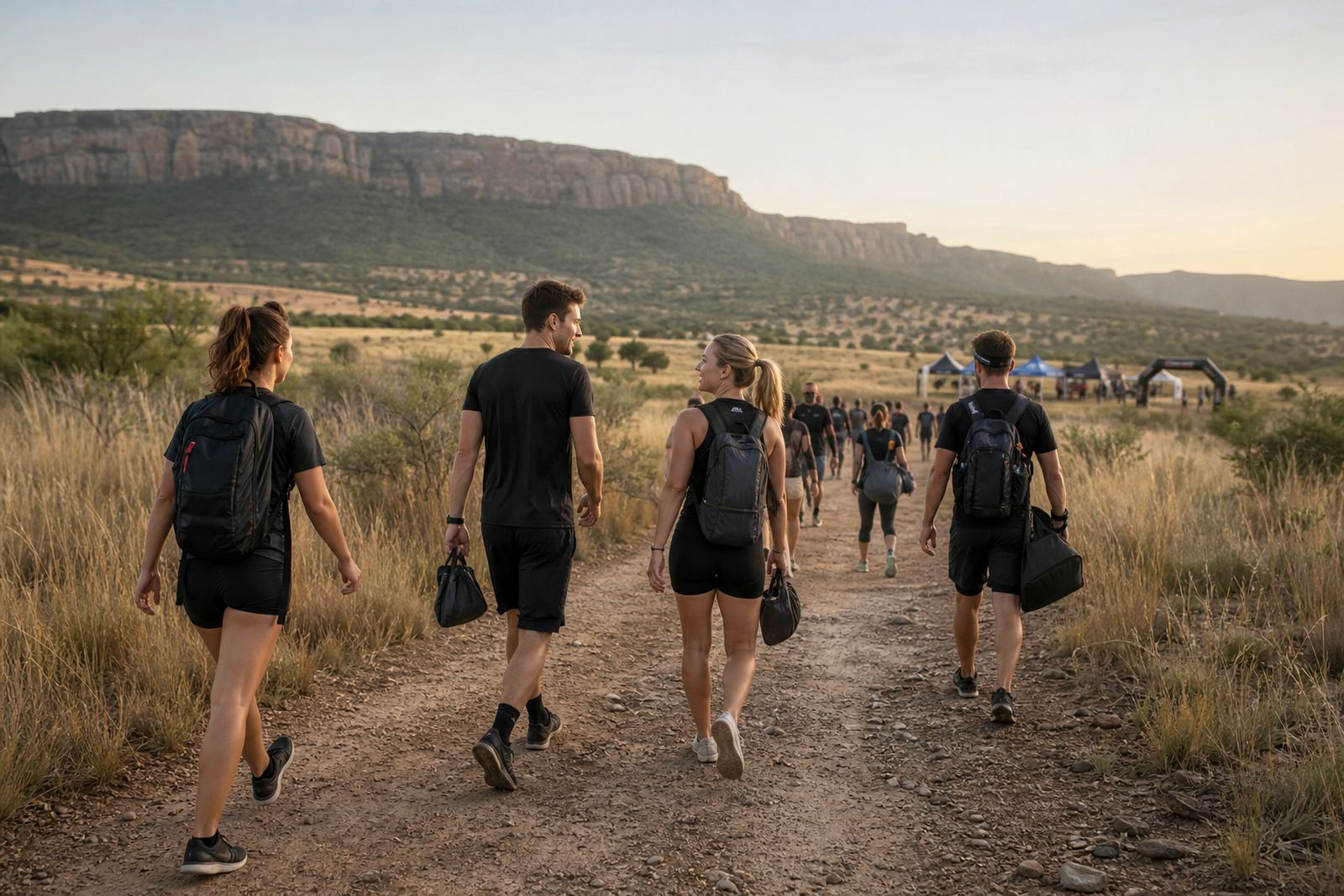
People also forget about the finish area. Mud, sweat and fatigue make simple tasks harder, so pack a dry change of clothes and a bag for wet gear. If you are travelling from Pretoria, Rustenburg or Potchefstroom, plan enough time for parking, check-in and the briefing. Rushing adds stress before you even start, and that is avoidable.
For group and corporate entries, another mistake is not confirming the team captain, heat preference or waiver completion early enough. That can slow the whole group down. A quick checklist before departure saves time at the gate and helps everyone start together.
Budgeting for a first event in rand terms
Budgets vary by race type, travel distance and how much kit you already own. A newcomer who already has training shoes and basic activewear may only need to cover entry-related costs, transport and a few small extras. If you are travelling from Johannesburg or Cape Town, transport and accommodation can become the bigger part of the spend.
As a rough planning guide, many first-timers set aside a modest amount for kit and recovery items, with more if they need to buy shoes, hydration gear or overnight stays. Keep some room for parking, fuel, meals and a spare change of clothes. For teams, corporate entry planning can help reduce confusion and avoid last-minute purchases that push the total higher.
- Basic kit top-up: about R300 to R1 200
- Footwear upgrade if needed: about R800 to R2 500
- Travel and food: depends on where you are coming from
- Extra recovery items and toiletries: about R150 to R500