When the course is no longer a mystery
Returning racers usually know the feel of a muddy climb, a cold water section and a long carry, but the difference is often in how well the day is planned. At Punisher in Magaliesberg, we see many participants from Johannesburg, Pretoria, Cape Town, Durban and Bloemfontein who are not beginners anymore, yet still lose time through poor packing, rushed warmups or mixed team instructions.
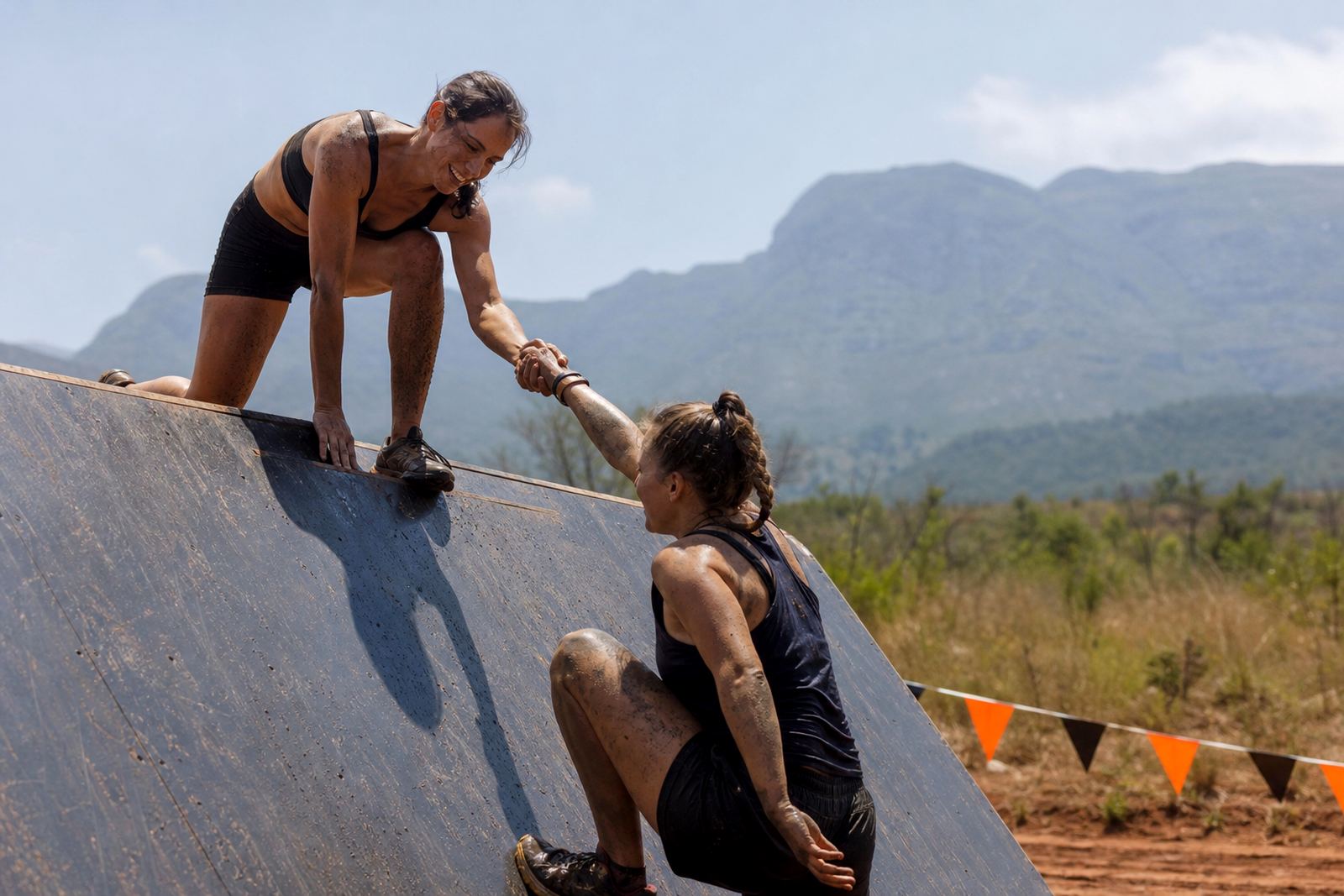
Once you know the basics, the focus shifts to repeatable habits: arriving early enough to settle in, listening carefully to the safety briefing, and setting your own pace through the first third of the course. That is often where people go too hard and pay for it later, especially on tougher terrain around Hekpoort where weather, dust and uneven ground can change the feel of the race quickly.
What experienced racers should pack without overloading the kit
A returning racer does not need a huge kit bag, but the right gear makes a clear difference. Think in terms of grip, comfort and recovery rather than extras. For team events and endurance challenges, the usual set is practical and not fancy.
- Trail shoes with decent grip and drainage, plus socks that do not rub when wet
- Light running kit that can handle mud, dust and repeated contact with obstacles
- Small hydration pack or handheld bottle where allowed by event rules
- Weather layer for early starts, wind or winter mornings in the Magaliesberg area
- Grip gloves if your hands struggle on rope, bars or wet carries
- Plastic bag or dry pouch for car keys, ID and a change of clothes
- Recovery snack, towel and a basic first aid item set for after the race
For coastal visitors from Durban or far-travelling teams, it helps to pack one extra dry layer in case of rain or if the day turns cool after a hot start.
How we plan the day so the team does not get tangled up
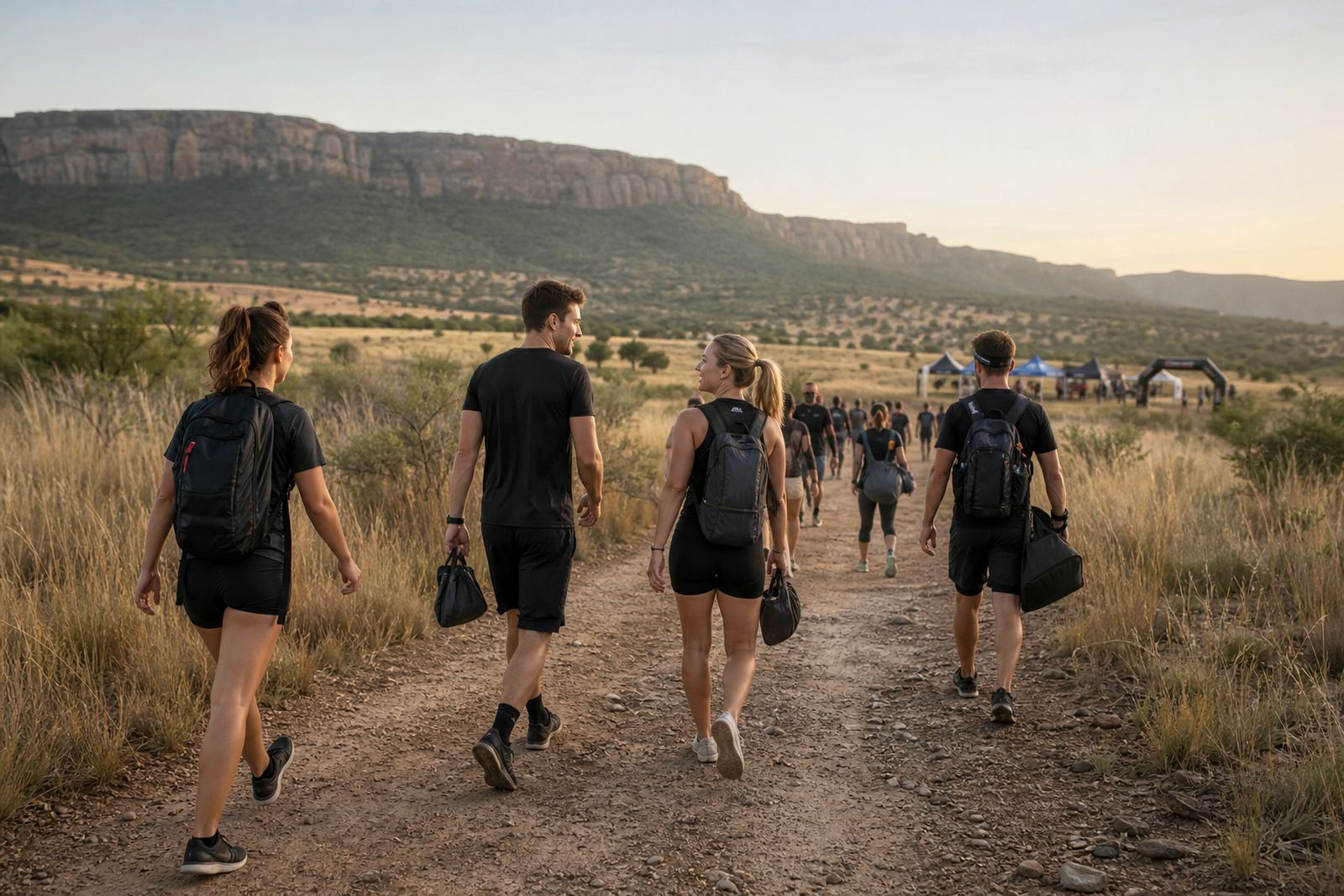
At a returning racer level, the race day plan should be more about timing than reassurance. The strongest teams usually assign one person to check waivers, one to hold group kit and one to keep the warmup on track. That way nobody is hunting for a bib, a bottle or a teammate five minutes before the start.
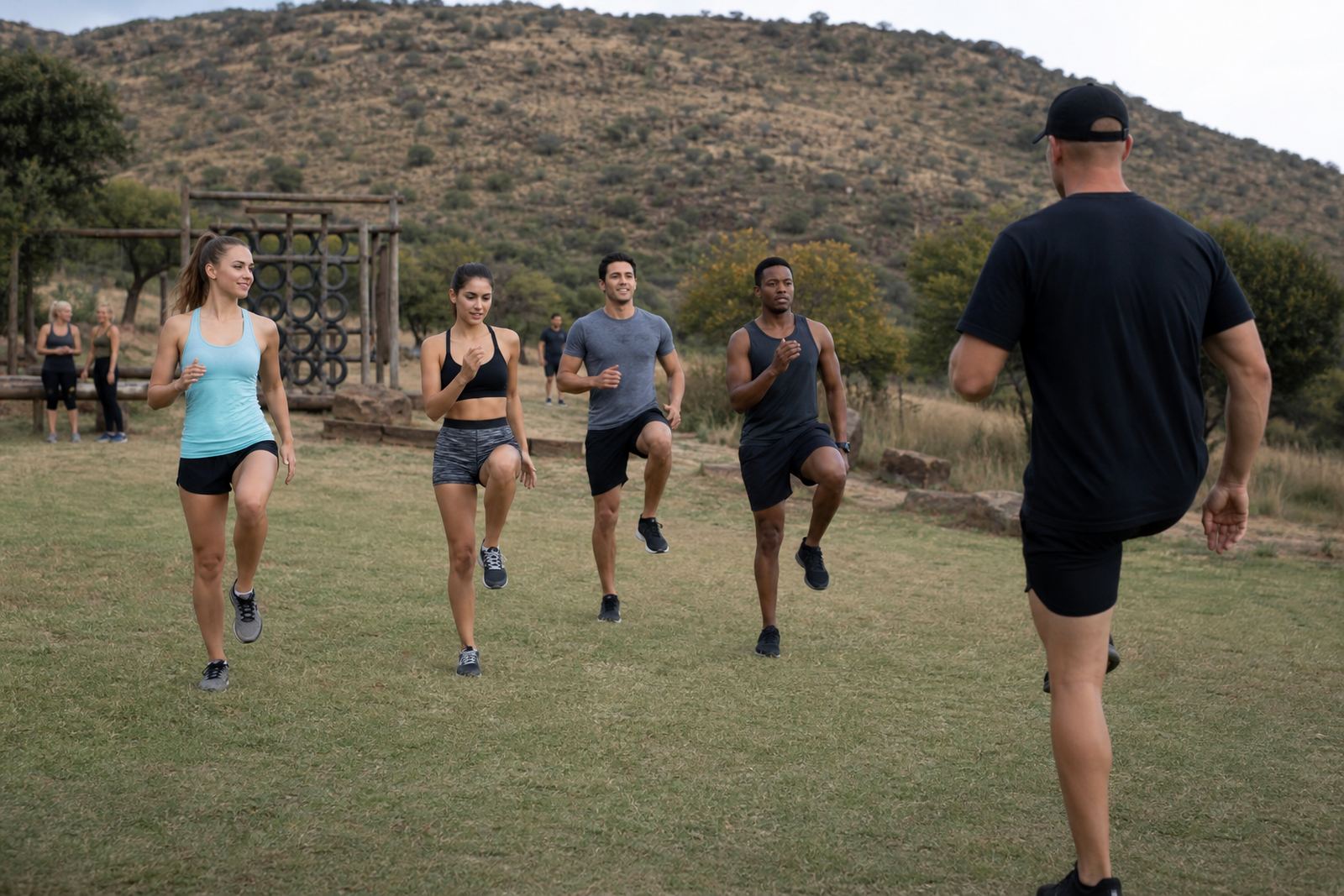
Our support process covers Corporate Entry Planning, Team Registration Help, Waiver Coordination, Safety Briefing Groups, Captain Communication, Heat Allocation Support, Onsite Team Checkin, Group Warmup Session, Team Photo Moments, Supporter Planning, Recovery Area Guidance and Custom Team Briefing. Those services are useful for mixed ability teams where a few people want to race hard and others are there for a strong finish, not a podium.
- Confirm who is racing, who is supporting and who needs a slower start
- Match the team heat or wave to the group's pace honestly
- Keep a visible meeting point for pre-race check-in and post-race photos
- Use the briefing to note obstacle rules, penalties and any course changes
That planning is especially helpful for visitors using Hekpoort Venue, Magaliesburg Venue, Hartbeespoort Access, Krugersdorp Visitors, Pretoria Travellers, Johannesburg Travellers, Rustenburg Visitors or Potchefstroom Visitors. It cuts down on confusion before the first whistle.
Training that pays off after the first race is behind you
Returning racers often need less general fitness and more specific work. Hill repeats, loaded carries, pull work, grip sessions and short hard intervals all help. In the Magaliesberg area, the terrain itself can do part of the job, so training should include uneven ground, steps, loose surfaces and a few sessions in warm conditions if possible.
Checking with a doctor before hard exercise is sensible if you have been off training, have a known condition or are in recovery after injury. We do not give personal medical advice, but we do encourage people to listen to what their body is telling them and not try to make up six weeks of fitness in one session. That is where strain usually starts, and it can spoil a good event before the first obstacle is even reached.
The mistakes that catch out repeat entrants
The biggest errors are often the ones people make because they think they already know the drill. Starting too fast, skipping the warmup and ignoring a safety announcement are the common ones. Another frequent problem is gear that worked once in dry conditions but becomes useless when the course gets wet or muddy.
- Underestimating the route and burning energy too early
- Not reading the waiver or course rules properly before arrival
- Leaving hydration too late, especially in heat around North West
- Wearing shoes with poor drainage or worn-out grip
- Failing to brief team members who are joining for the first time
On obstacle races, the small things matter: laces tied properly, pockets secured, and no loose items that can fall out mid-run. It sounds obvious, but when the heart rate is up and the mud is deep, people forget the basics and then spend time fixing avoidable issues.
Budget lines that make sense for a second, third or tenth race
Returning racers usually spend less on guesswork and more on the pieces that actually matter. A sensible budget for a team or individual should cover travel, kit refresh, recovery and any extra group support needed on the day. For local North West participants the transport spend may be modest, while travellers from Cape Town, Durban or Bloemfontein usually need to set aside more for fuel, flights or overnight stays.
A practical range for gear and race preparation can be kept fairly tight if you already own shoes and clothing, but if you need to replace items, set aside a few hundred Rand for gloves, socks or hydration items and more if a new pair of trail shoes is needed. Team budgets should also leave space for printouts, spare water, recovery food and a small contingency for last minute items, because someone always forgets something.
For corporate or group entries, the better spend is usually on coordination rather than extras. Good briefing, clean admin and organised support help the whole team arrive calm, and that matters more than buying kit that never gets used again.
The point of better control is not more chaos
Returning racers are usually not looking for a motivational speech. They want cleaner planning, a better pacing plan and less guesswork at the start line. That is where Punisher's Hekpoort base helps: practical support, clear safety steps and a course environment that still feels like a proper challenge.
If your group is preparing for another obstacle race or endurance event, the goal is to make each part of the day work better than the last one. Better prep means fewer mistakes, less wasted energy and a stronger finish, even when the course is rough and the weather is not helping.