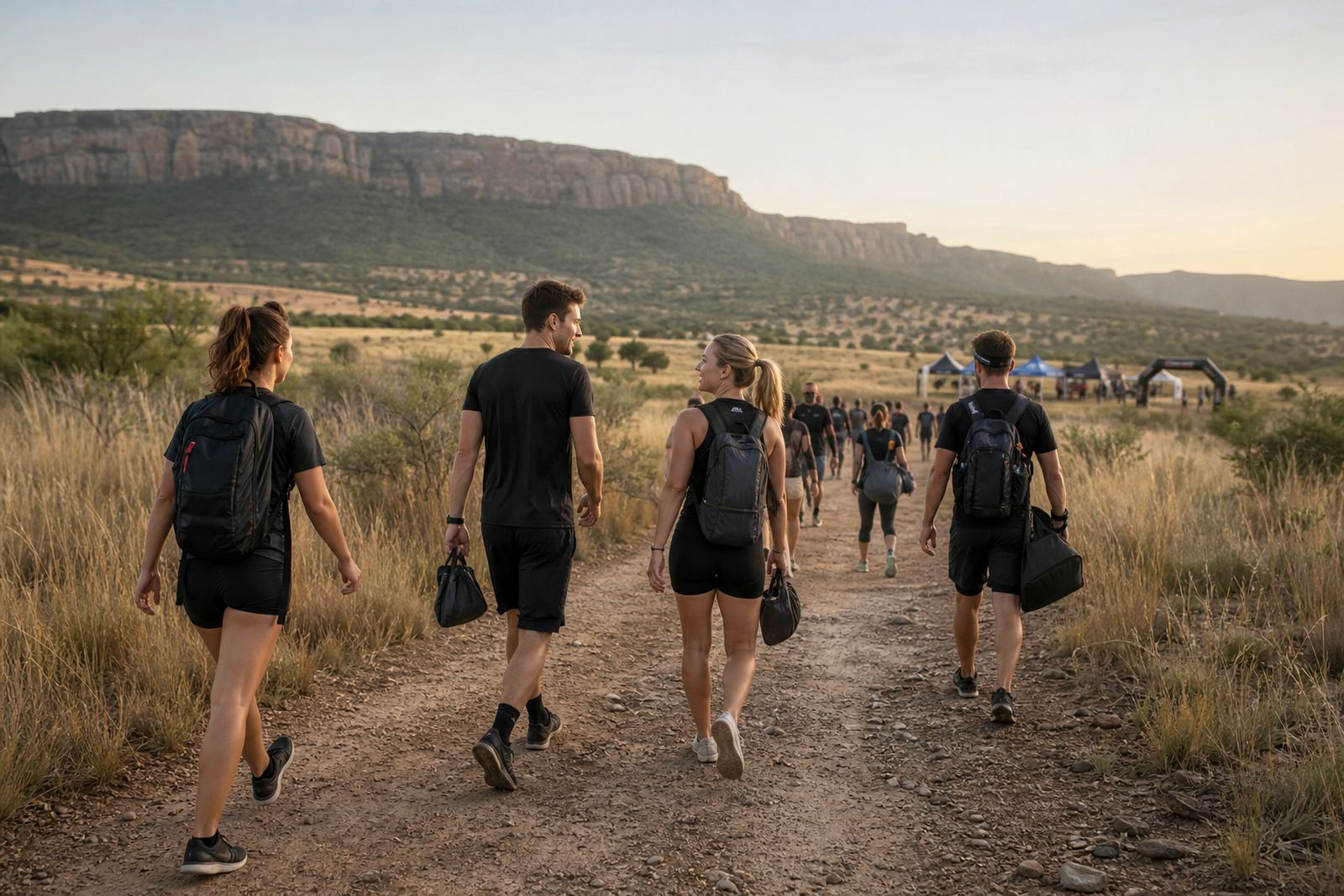

When a coach brings a squad into the Magaliesberg
Training groups usually arrive with mixed fitness levels, a few nervous first timers and at least one client who can move well but tires quickly on hills. In the Magaliesberg, that matters because the ground can be rocky, dusty or wet after a storm, and the course asks for grip, balance and patient pacing more than gym strength alone.
For coaches, the real job is not only performance. It is helping clients understand what the route will ask of them, how to start without burning out, and how to stay calm when an obstacle needs another attempt. A good event day starts long before the gun, with a warmup plan, a realistic pace plan and clear talk about what is expected in the heat, wind or late afternoon cold.
- Good fit for bootcamps, running clubs, boxing gyms and corporate wellness groups
- Useful where one coach is handling 6 to 20 athletes with different fitness levels
- Best for teams that want a challenge without turning the day into a all-out race from the first kilometre
Kit that keeps clients moving instead of fighting their gear
Most clients do better with light trail shoes or trainers that drain well, close fitting clothing and a small towel for the recovery area. In Hekpoort and the wider North West, weather can change quickly, so a dry top for after the event and a cap for sun protection are worth packing. If the group is staying nearby, coaches often ask clients to bring a change of socks, a refillable water bottle and a small snack with salt and carbs.
Coaches should also remind clients to check with a doctor before hard exercise if they are returning from injury, managing blood pressure, or have any medical concern. That is not about slowing people down, it is about making sure the day does not turn into a problem that could have been avoided.
- Trail shoes or trainers with decent grip
- Water bottle, electrolyte mix or plain water
- Dry shirt, towel, socks and a plastic bag for wet kit
- Gloves only if the athlete prefers them for rope or carry sections
- Photo ID and any required waiver paperwork
How to lay out the group so nobody gets lost in the noise
Good layout planning keeps the team together without clogging the starting area. For coached groups, it helps to split athletes into pace bands before arrival, then place the stronger runners at the front of each band and the slower movers close behind. That makes support easier when the course narrows or a heat needs to start on time.
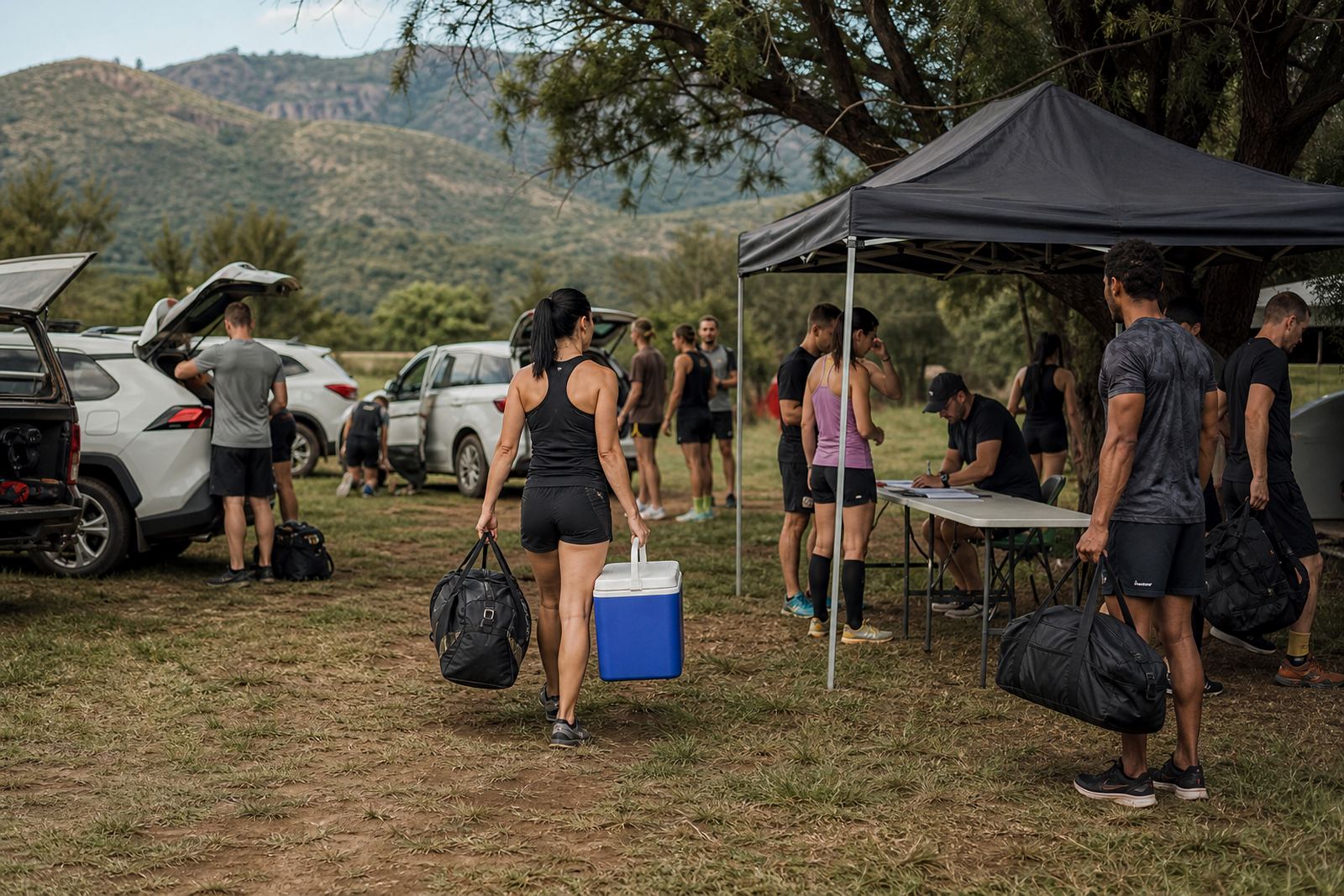
Punisher can assist with team registration help, waiver coordination, safety briefing groups, captain communication and heat allocation support. For larger coaching groups, that means less time standing in lines and more time getting people ready properly. On the day, the coach can focus on line-up order, client nerves and post-race recovery rather than chasing paperwork.
- Decide who is in each pace band before the team arrives
- Nominate one captain for messages and last minute changes
- Keep warmup space separate from the main queue where possible
- Plan a meet point for the team after the finish in case people split up
The briefing points coaches should repeat before the first obstacle
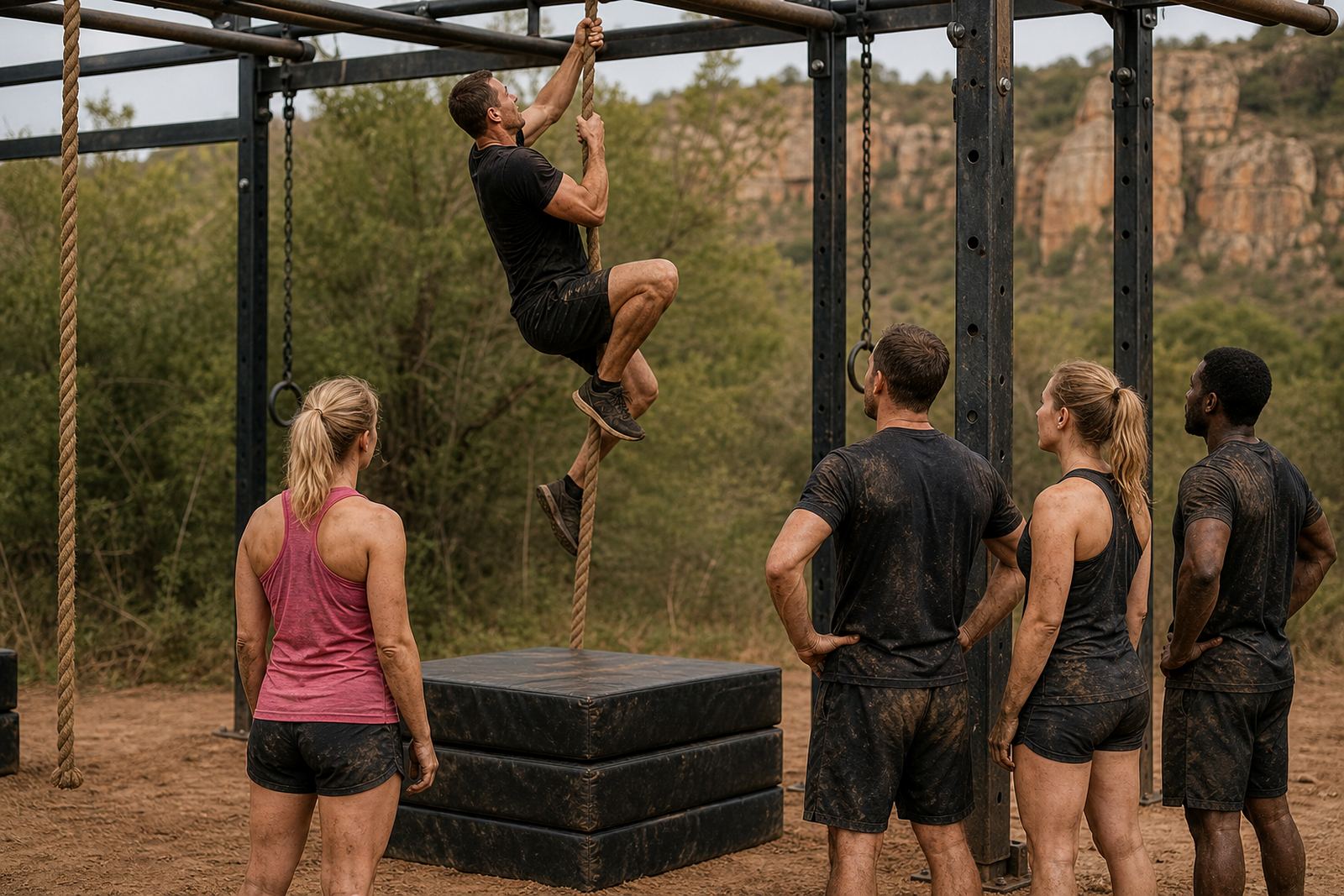
A short, clear briefing usually works better than a long speech. Clients need to know how to enter an obstacle, when to step back and let another person through, and what to do if they need a breath or a reset. Safety matters most when people are tired and trying to save face in front of the group.
At Punisher, briefing support is practical and direct. Participants are reminded about route markings, marshal instructions, water points and the recovery area. Coaches can reinforce the same points in their own language and style, which helps anxious clients relax and stronger clients keep their ego in check. That balance matters in events where teamwork counts as much as finish time.
- Listen to marshals before each section
- Use the side path or wait your turn if an obstacle is busy
- Tell a marshal if a client feels dizzy, cramped or off balance
- Keep the team moving, but do not force anyone to rush a risky section
Budget ranges coaches can plan around in Rand
Coaches planning a group outing need a workable budget, not guesswork. Event entry, travel, food and recovery extras add up quickly, especially when clients are coming from Johannesburg or Pretoria and need fuel, tolls and maybe overnight accommodation. For smaller groups, a practical event day budget might start at a few hundred Rand per person before travel. Larger corporate or club groups often need a wider budget because of admin time, team support and extra kit.
As a working range, trainers often plan for R350 to R900 per person for basic event day costs, then set aside extra for transport, meals and post-race recovery. If the group needs custom team briefing, onsite team checkin, supporter planning or recovery area guidance, the total can move higher depending on group size and support level. It is better to set a realistic ceiling early than to chase payments later.
For coaches handling multiple clients, separate the spend into entry, transport, food and contingencies. That keeps the numbers clean and makes it easier to explain the plan to athletes or employers.
Mistakes that make a hard day harder
The most common mistake is treating an obstacle race like a normal gym session. It is not. Uneven ground, heat, dust and shared obstacles change the pace quickly, and clients who start too fast often pay for it later. Another common issue is poor hydration planning, especially for teams travelling from coastal areas where humidity training feels different from the dry inland air around the Magaliesberg.
Coaches also make life difficult when they forget the admin. If waivers are incomplete, if the group has no captain, or if people do not know the meetup point after the finish, the day becomes messy. A coach does not need to control every moment, but they should know where the team is, who needs support and which clients should slow down.
- Starting too fast because the first kilometre feels easy
- Letting clients skip the briefing and hoping for the best
- Packing only race clothes and forgetting recovery items
- Sending the full team in one lump instead of using pace bands
What fitness coaches can lean on at Punisher
Coaches working with Punisher clients in Hekpoort, Magaliesburg, Hartbeespoort, Krugersdorp, Pretoria, Johannesburg, Rustenburg and Potchefstroom can use the event as a structured test rather than a scramble. The mix of endurance, coordination and mindset makes it useful for pre-season checks, team bonding and client confidence work. The course gives you real feedback on pacing, grip strength, breathing control and whether a training block has translated into action.
The support services are there to keep the group functioning properly: corporate entry planning, team registration help, waiver coordination, safety briefing groups, captain communication, heat allocation support, onsite team checkin, group warmup session, team photo moments, supporter planning, recovery area guidance and custom team briefing. That sort of support lets a coach do the coaching instead of standing in a queue with a clipboard.
If you are bringing a squad, make sure the paperwork is sorted, the kit is checked and the clients know what to expect. That preparation saves energy and helps everyone get more from the day.