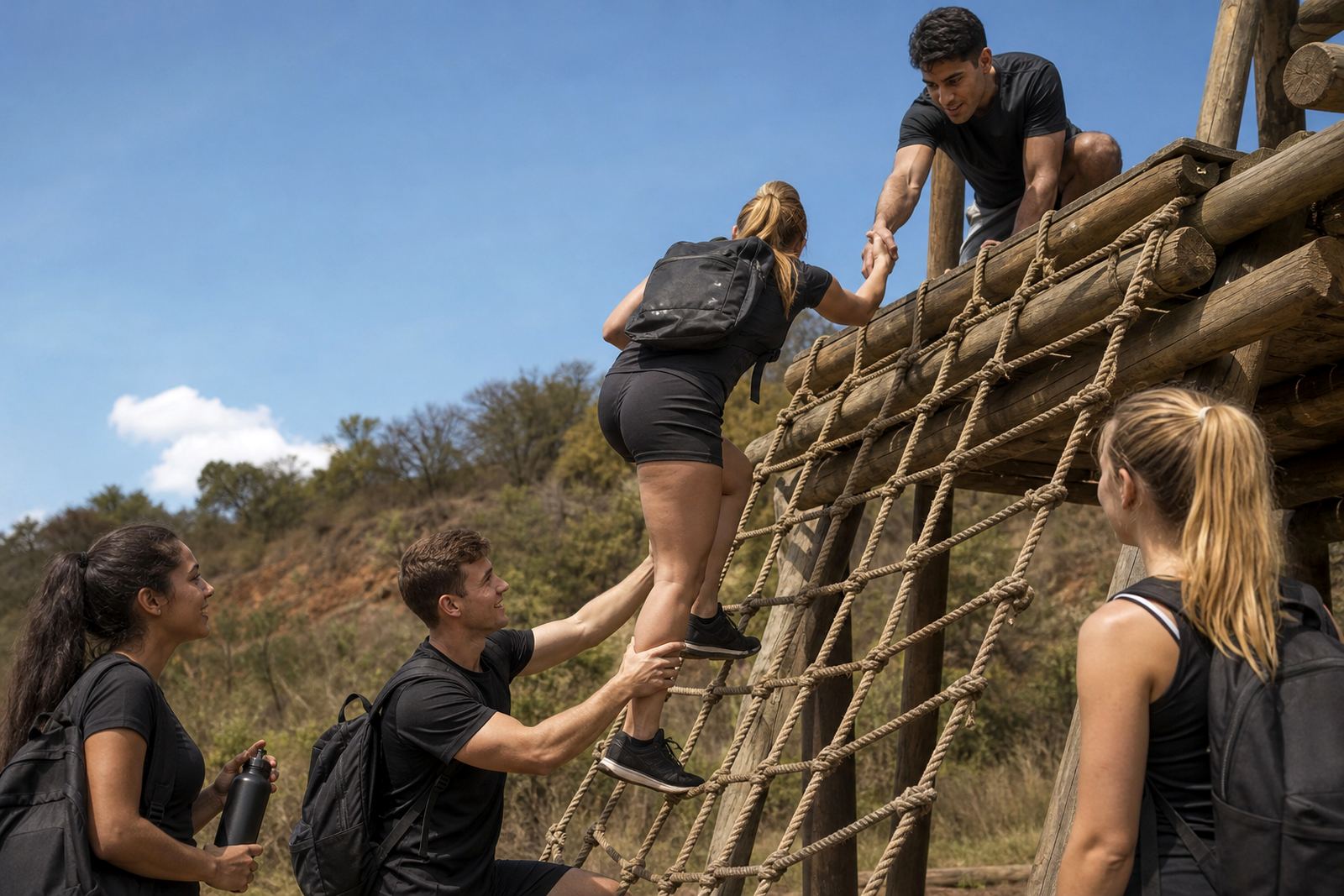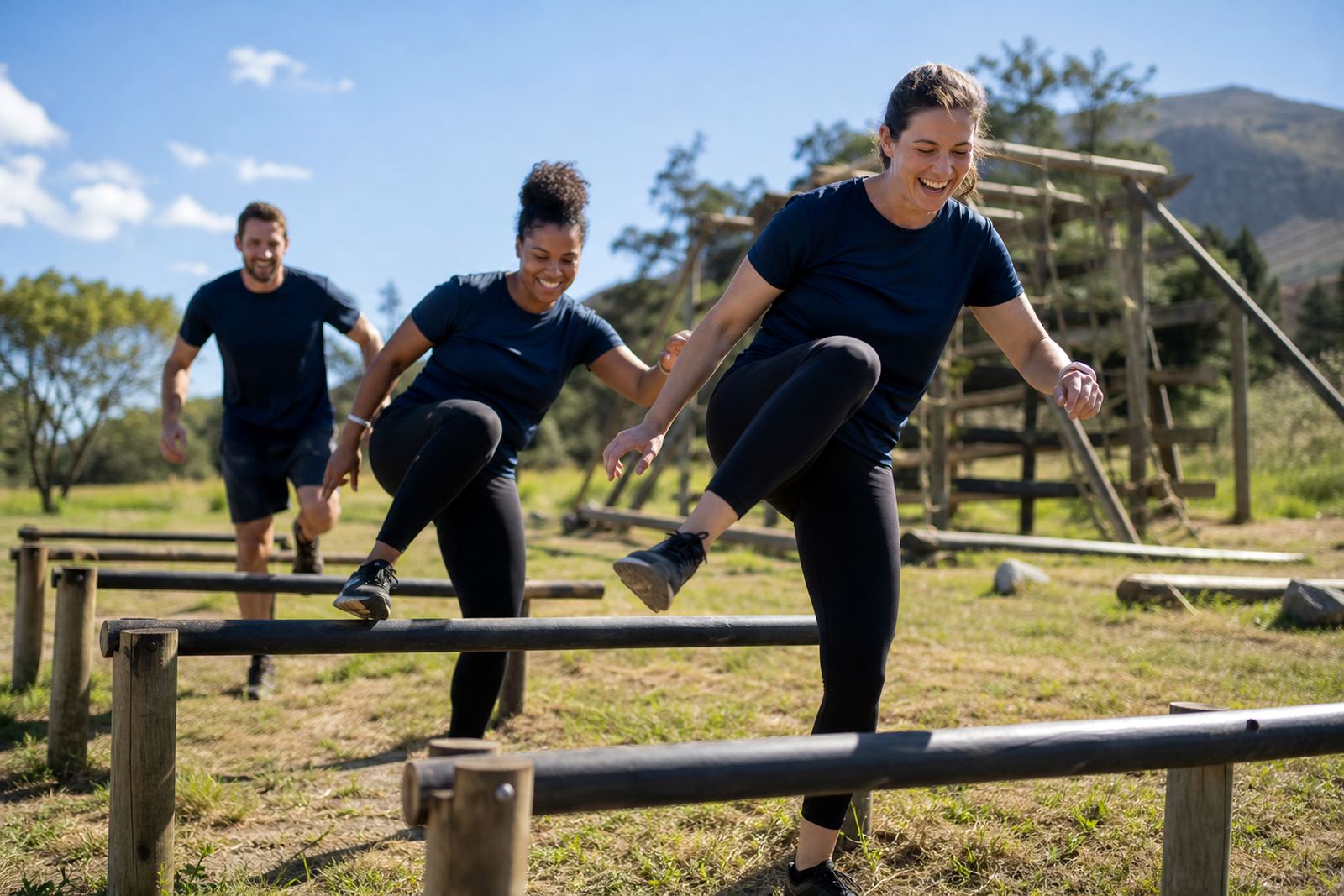

The Gauteng run-in: from city traffic to course gate
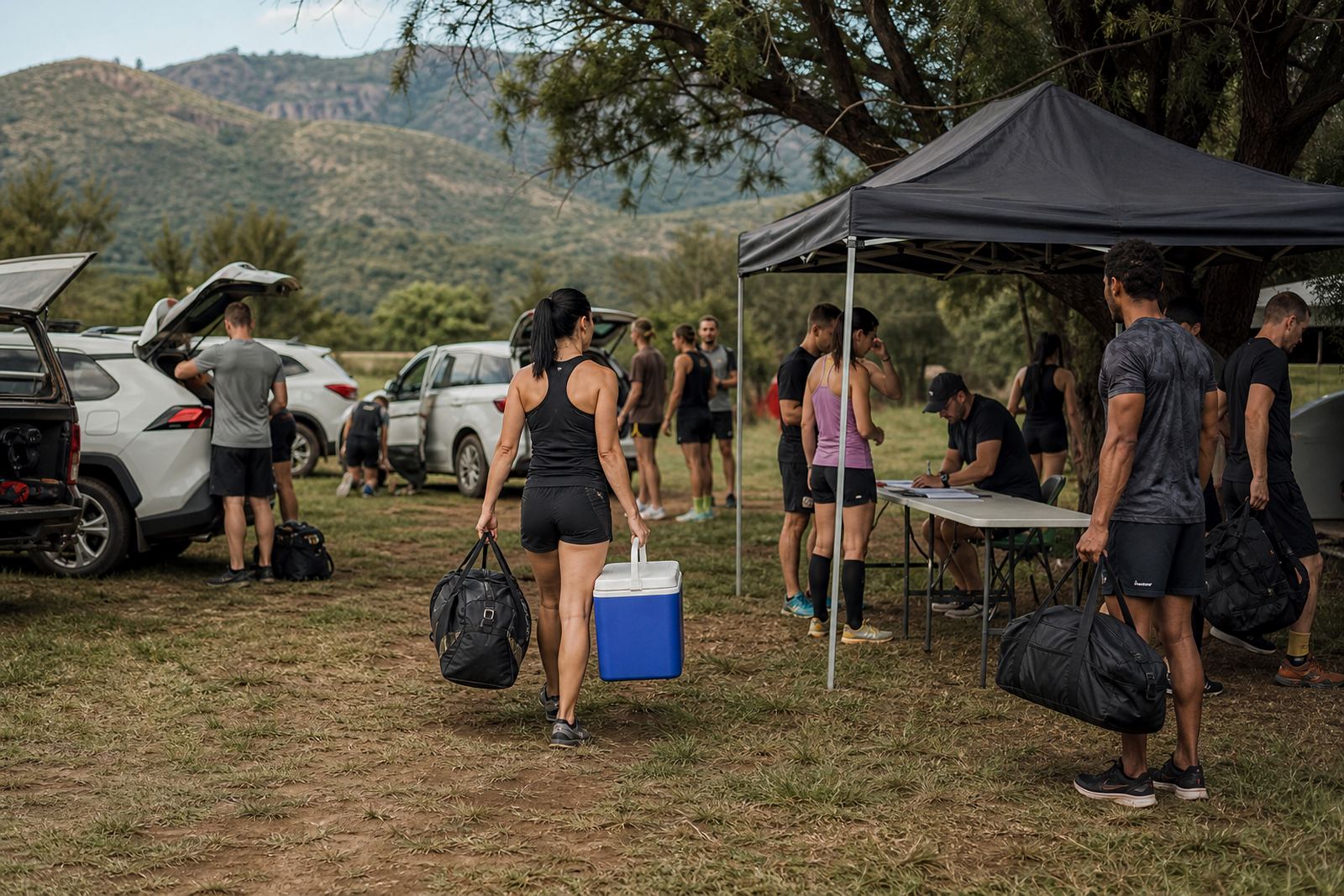
For entrants from Johannesburg and Pretoria, the biggest stress is usually not the course itself but the trip in. Leave extra time for N4 or R24 traffic, weekend roadworks and the final stretch into Hekpoort or Magaliesburg, where gravel and slower-moving vehicles can add another 20 to 40 minutes. If you are travelling with a group, agree on one arrival point and one driver lead so no one is trying to park, sign in and unpack at the same time.
When you are planning the day, treat the race like a working outdoor event rather than a quick outing. Keep your ID, waiver confirmation and a change of clothes in one bag, and make sure your phone is charged before you reach the venue because reception can be patchy in parts of the Magaliesberg.
- Leave Johannesburg or Pretoria earlier than you would for a town event.
- Carry cashless payment options if vendors are available, but do not rely on signal for everything.
- Use one sealed bag for dry kit and one for muddy kit after the finish.
What most Gauteng entrants pack, and what they forget
Most people pack too little water, too many extra gadgets and not enough recovery kit. For obstacle course races, you want clothing that can handle mud, climbing, crawling and a good rinse afterwards. Tight-fitting shorts or leggings, a moisture-wicking top and socks that stay up are more useful than anything fancy. Trail shoes or trainers with grip are usually the first choice, though the ground can be rocky and dusty in places, so check the tread before race morning.
Useful items for travellers from Gauteng include a spare T-shirt, towel, dry underwear, refillable water bottle, sunblock, plasters and a small snack for after the finish. If you are entering as a team, pack one extra carrier bag for everyone’s wet kit, because mixing clean and dirty gear in the same boot gets ugly fast. A cap and light jacket can help if the morning is cool in Hekpoort and the sun lifts later.
- Comfortable shoes with grip and laces tied securely.
- Water, a post-race snack and any routine personal items.
- Dry towel, change of clothes and a bag for muddy kit.
- Sun protection and a lightweight layer for early starts.
Briefing, waivers and the bits that keep the day moving
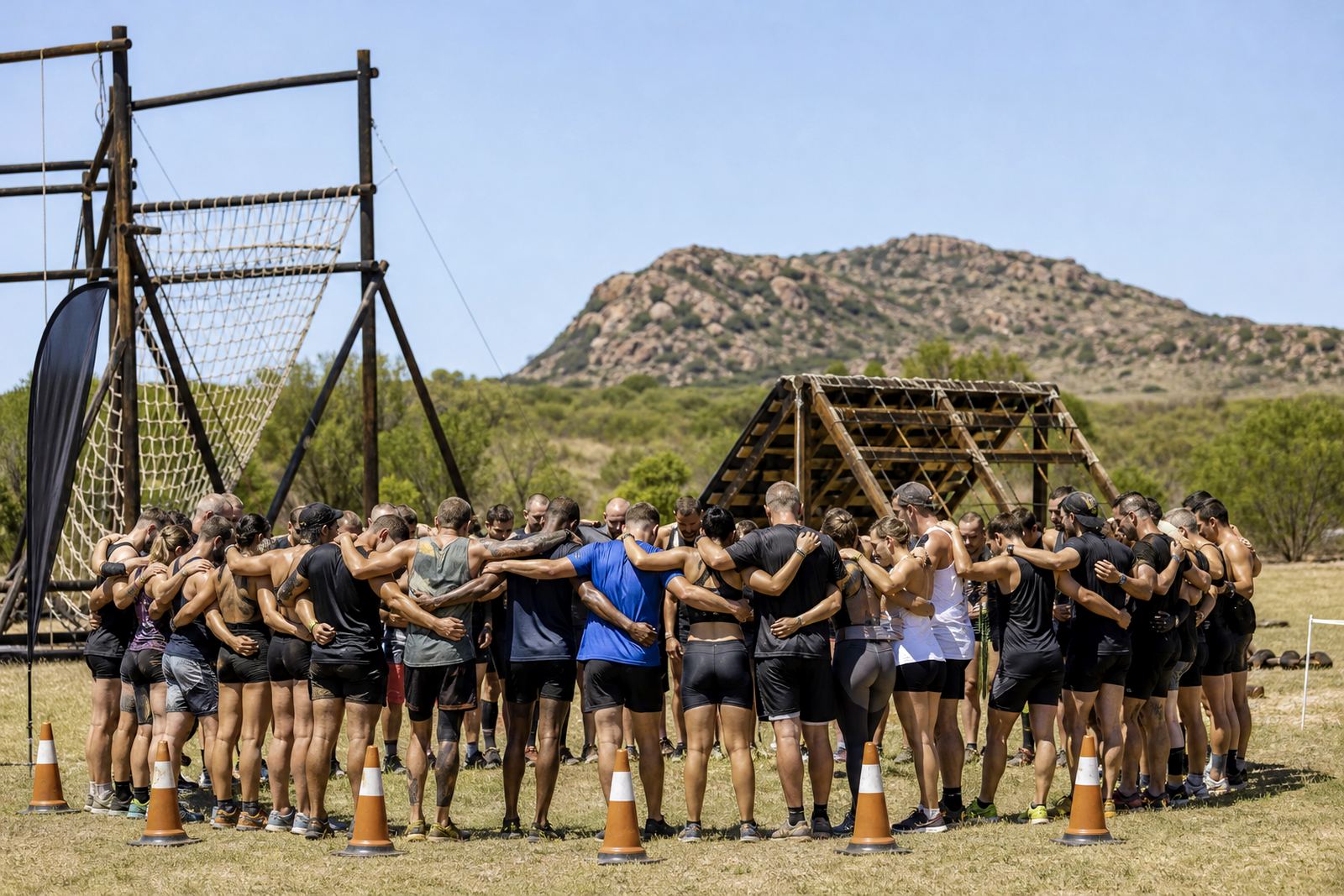
Before the first obstacle, every entrant should sit through the safety briefing and listen properly. That is where you hear how the course is laid out, where to move if you slip, how obstacles are used, and what to do if a marshal calls a stop. Waiver coordination matters too, because missing forms can delay a whole group and nobody wants to be standing around while the rest of the field starts warming up.
For Gauteng travellers, it helps to arrive with a calm window of time between check-in and start wave. That gives you space for the warm-up, to sort your race number and to ask questions about grip, water points or the recovery area. If you are in a corporate group, a captain briefing can save a lot of repeat questions later on, especially when teams split into different heat allocations.
- Read the waiver before travel so you are not rushing at sign-in.
- Listen for course changes caused by wind, rain or ground conditions.
- Check where the recovery area and supporter points are before the start.
How to pace the day if you are driving in from Johannesburg or Pretoria
Hard effort at altitude, heat or on uneven ground can catch people out when they have spent two hours in a car first. A doctor should be checked with before hard exercise if you have a medical condition, are returning after illness, or have concerns about strenuous activity. Once you are cleared, do not start the course cold. Walk, mobility work and a light jog are better than rushing straight into obstacles with stiff legs.
For many Gauteng entrants, the best race-day rhythm is: travel light, hydrate early, warm up properly, then keep the first section controlled. Save energy for the climbs, carries and grip-heavy obstacles where people often blow up. If your team is mixed ability, set a steady pace and avoid making the fastest person pull everyone else through every section, because that usually burns the group out before halfway.
After the finish, get out of wet kit as soon as possible and use the recovery area for a proper cooldown. In the Magaliesberg, wind can pick up quickly, so sitting around in soaked clothes is not a great plan, even in summer. A warm top, dry socks and water will help more than lying still and pretending you are fine.
Budget bands that make sense for a Gauteng race day
Costs depend on how many people travel, whether you are entering individually or as a company group, and how much kit you need to buy or replace. For a solo entrant from Johannesburg or Pretoria, a practical day budget often includes fuel, entry-related items, food and a modest recovery spend. Team entries can add coordination time, but they also allow shared transport and better kit planning.
As a rough planning guide, set aside R300 to R800 for a basic day if you already have your own gear and share a ride. If you need to buy shoes, gloves, hydration items or extra layers, budget more like R900 to R2 500 depending on what you already own. Corporate groups should also allow for printing, spare kit, recovery snacks and time for team briefings, which is usually worth it because last-minute scrambling is more expensive than planning early.
- Fuel and tolls for the trip from Gauteng.
- Food, water and recovery items for the day.
- Replacement kit if your current shoes or clothes are not race-ready.
- Small contingency for parking, extras or an unplanned second trip to the shops.
Common planning errors for Gauteng travellers
The common problem is not fitness, it is poor planning. People arrive late, pack the wrong shoes, skip the warm-up and then wonder why the first few obstacles feel harder than expected. Others bring too much gear and spend half the morning hunting through the boot for a lost sock or a missing waiver. A little discipline before the drive saves a lot of frustration later.
Another mistake is underestimating recovery. If you are heading back to Johannesburg or Pretoria straight after the race, bring dry clothes and a towel that can handle a muddy car seat. It also helps to keep one sealed bag for rubbish, tape and wet items. A clean change of clothes makes the drive home easier, and your car will thank you for it. Small thing, but it matters.
- Do not wear brand-new shoes on race morning.
- Do not skip hydration because the weather looks cool.
- Do not assume the venue will have everything you forgot.
- Do not plan a tight same-day work appointment after a hard course.