One captain, one clean line of updates
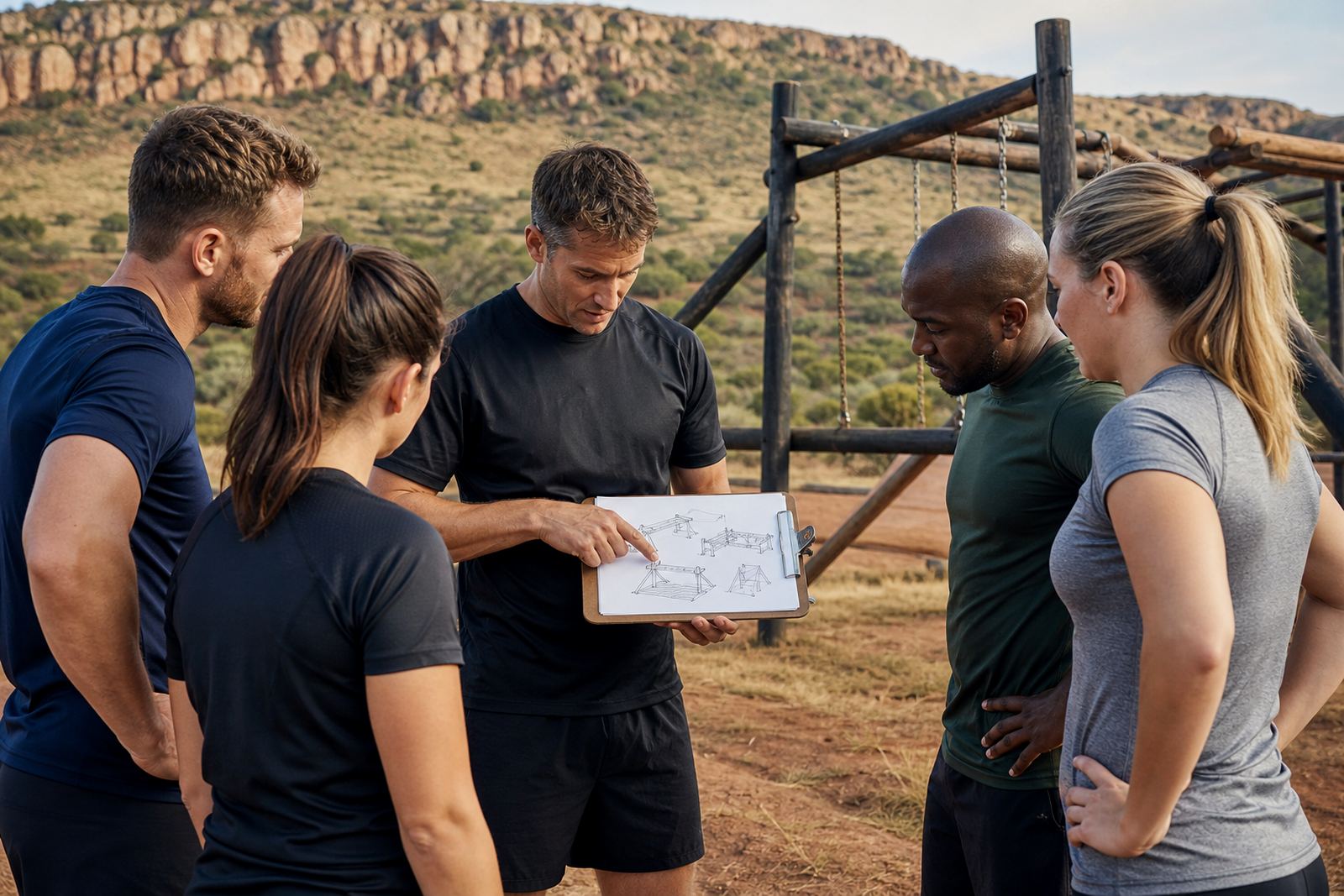
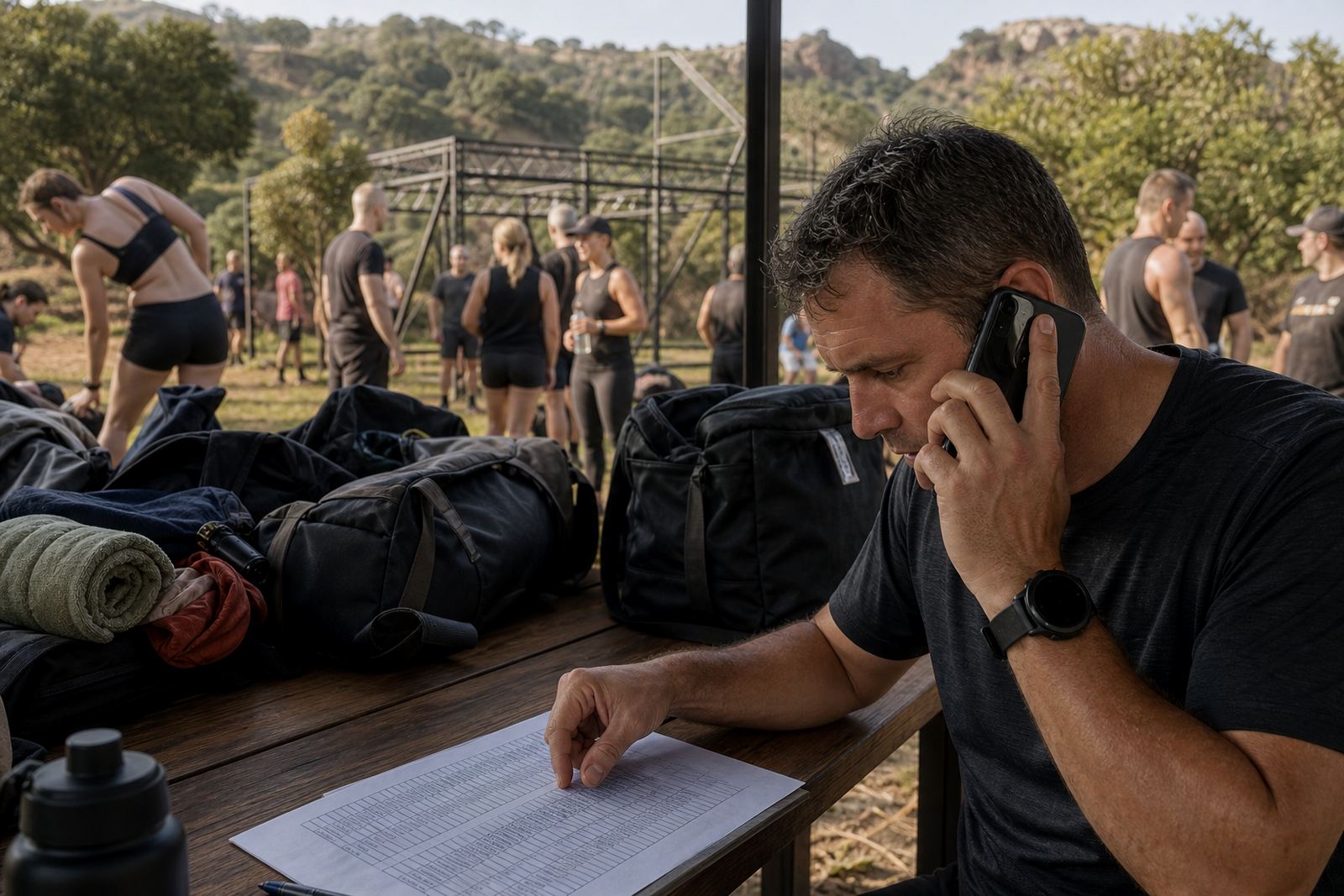
When a team is spread across cars, taxis and late arrivals, small details get lost fast. Captain Communication gives each group a single point process for sending updates through one captain, then routing the right information to the race team in a clear format. That keeps arrival plans, waiver status, heat notes and kit changes together instead of scattered across chats.
This is especially useful for corporate teams and mixed fitness groups where some members are training hard and others are just getting race ready. The service helps your captain share only what matters, such as who is in the vehicle convoy, who still needs to sign off a waiver, and whether anyone is bringing gloves, hydration packs or spare shoes. It also helps avoid confusion at the gate when a team arrives from Hekpoort, Hartbeespoort, Krugersdorp or Pretoria on the same morning.
- Single contact point for the team captain
- Arrival timing and parking notes
- Kit reminders for mud, water and rope sections
- Group changes, substitutions and late notice updates
What the captain process actually covers
The process starts once the team is registered. The captain gets a clear communication thread for all race day admin, so messages are not sent to ten different people. We can use it for group size updates, safety briefings, warmup timing and supporter guidance. If your team is doing a heavier endurance format, the same line can carry extra notes about pacing, water carrying and recovery space use.
For obstacle course races, practical details matter more than long explanations. Tell the captain what to expect with grip-heavy obstacles, uneven ground, water crossings, dusty sections and any rules around footwear or bare skin contact. If the event has a mandatory briefing, the captain receives the start time and any sign in instructions. If there is a change to the heat order or team call-up, the captain is the first person to hear it.
- Briefing time and reporting point details
- Waiver status tracking for the group
- Heat allocation and start order updates
- Notes on weather, heat and terrain conditions
How the information flows on the day
The day is usually busiest between check-in and the start line, so the communication process is kept straightforward. The captain confirms the team name, expected arrival window and any missing members. From there, updates are shared in a way that can be read quickly while people are changing, warming up or sorting their kit. No one wants a long message when they are standing in the sun with one shoe off and a water bottle in hand.
Our team can also help the captain relay practical reminders to the group, such as where to meet after the safety briefing, how to move to the warmup area and what to do if someone is delayed on the R24 or N14. For larger corporate entries, the captain can be given a short summary sheet, so they do not have to keep scrolling through messages on the morning. It keeps things calmer, and a bit less chaotic too.
- Pre arrival reminder for the captain
- Check-in summary for the whole team
- Live update route for schedule changes
- Clear handover to safety and marshal instructions
How team updates reach your captain
Captain Communication is set up to work quickly, because race plans change quickly. Team updates are read during office hours, and race-day matters, late substitutions and arrival problems are looked at first. If a team is travelling from out of town, the captain can send a final travel update before leaving Johannesburg, Pretoria, Rustenburg or Potchefstroom so the check-in side is ready for the group.
The turnaround depends on the type of update. A simple note about kit, transport or participant names is handled faster than a full team change involving waivers, briefing groups and a new heat placement. If the weather shifts or the course build team adjusts a section for safety, the captain receives the revised note as soon as it is confirmed. That helps everyone arrive with the right expectations and fewer surprises.
For hard training groups, we also recommend captains remind members to check with a doctor before taking on heavy exercise if they have been inactive, injured or are unsure about their readiness. That is not medical advice, just a sensible step before a demanding course.
Pricing is set by the scale of the team work
Pricing for Captain Communication is approached according to the amount of coordination needed, not by vague labels. A small team needing a single update stream will not be handled the same way as a company entry with multiple vehicles, staggered arrivals and several waiver follow ups. The final quote is based on the number of participants, the complexity of the briefing, and whether the captain needs added support on the day.
Where groups are larger, or where travel from Cape Town, Durban or Bloemfontein means plans must be tighter, the communication setup may include extra check-in notes and step-by-step reminders. If the event requires additional support for team leads, this is priced as part of the coordination package rather than added in a piecemeal way. That makes it easier for corporate organisers to budget properly without guessing.
- Quoted according to team size and coordination depth
- Separate consideration for multi vehicle arrivals
- Clear pricing for added briefing and admin support
- No surprise extras for standard team updates
What your captain receives after the race
Aftercare is about closing the loop properly. Once the race is done, the captain can receive a short wrap-up with any outstanding admin notes, lost item guidance and follow-up instructions for team photos or recovery area use. If a group has a few queries after the finish, the captain remains the main contact so the whole team does not need to send separate messages.
This is useful for teams that want to keep the admin tidy after a demanding day in the Magaliesberg. Wet shoes, bruised shins and tired legs can make people forget what was said at check-in, so a concise after-race summary helps. It can also be used for future events, because good captain communication gets easier when the same person knows what details matter most before the next obstacle course or endurance challenge.
- Post-race admin summary for the captain
- Lost property and follow-up note handling
- Support for team photo moments and recovery area guidance
- Useful record for the next event entry
Key facts
| Service type | Single point communication support for team captains |
|---|---|
| Primary use | Race day updates, kit notes, arrival plans and briefing coordination |
| Best for | Corporate teams, club entries and mixed travel groups |
| Coverage area | Hekpoort, Magaliesburg, Hartbeespoort, Krugersdorp, Pretoria, Johannesburg, Rustenburg and Potchefstroom |
| Turnaround | Practical response windows, with race-day priority for urgent updates |
| Pricing approach | Quoted according to team size, coordination complexity and support needed |