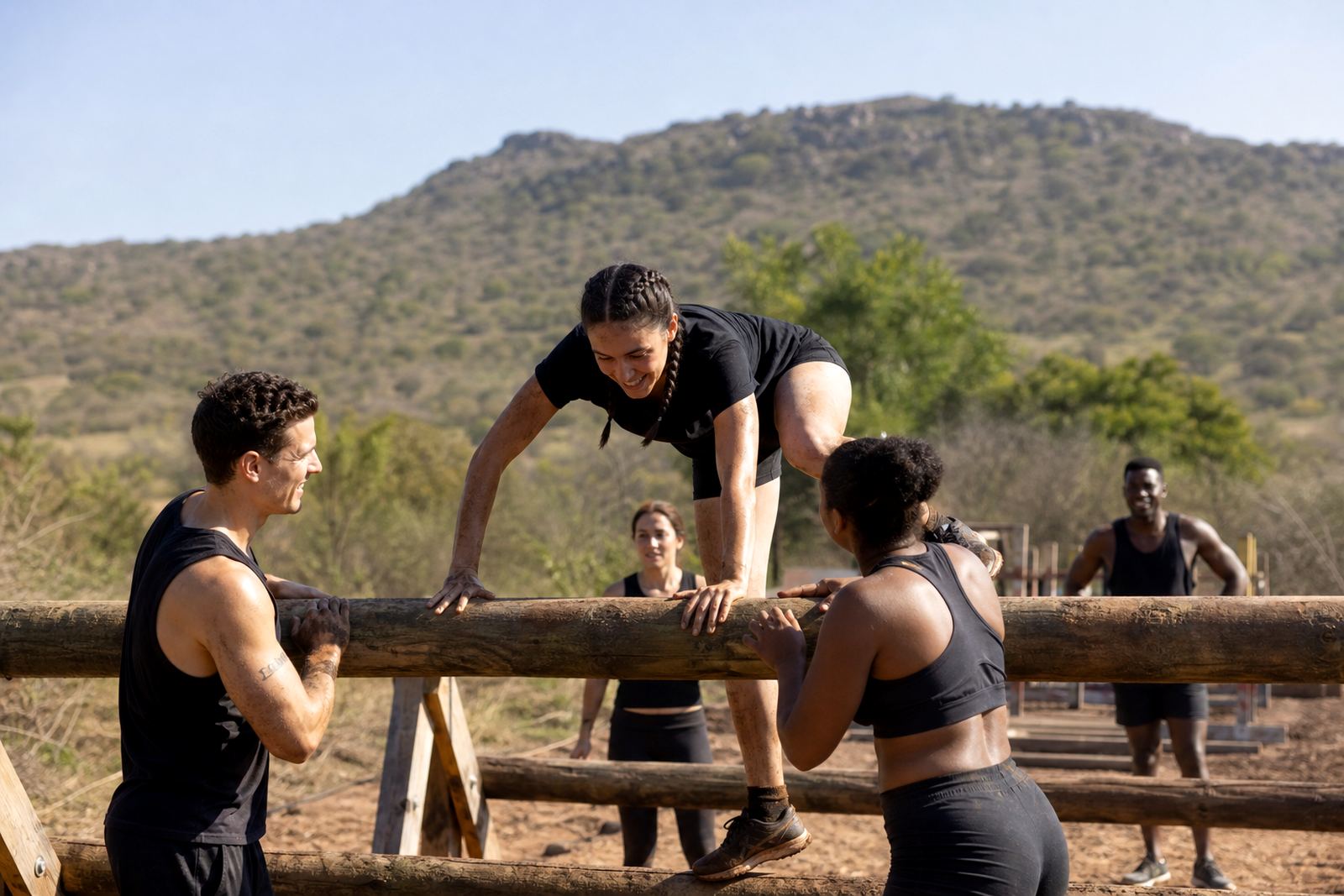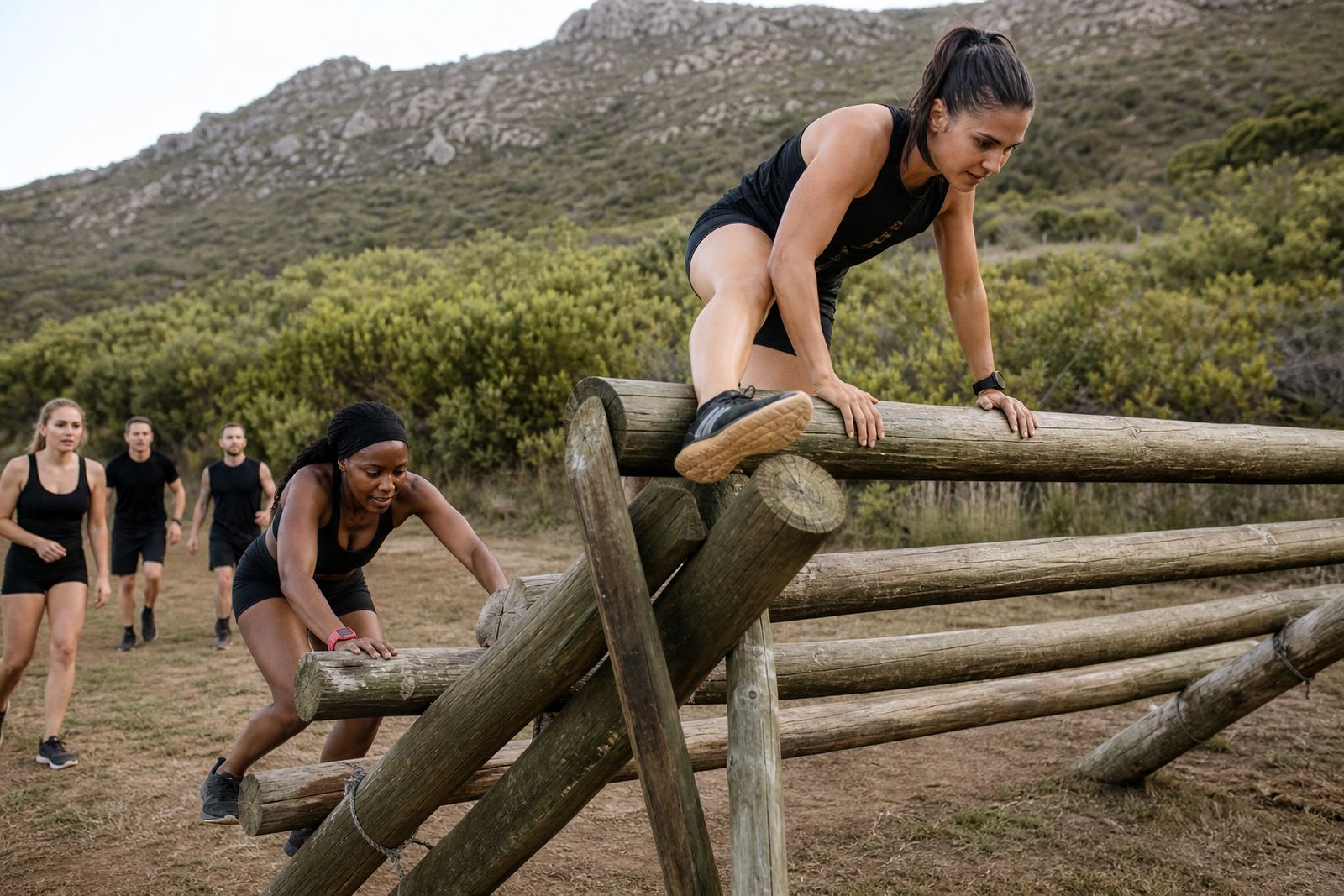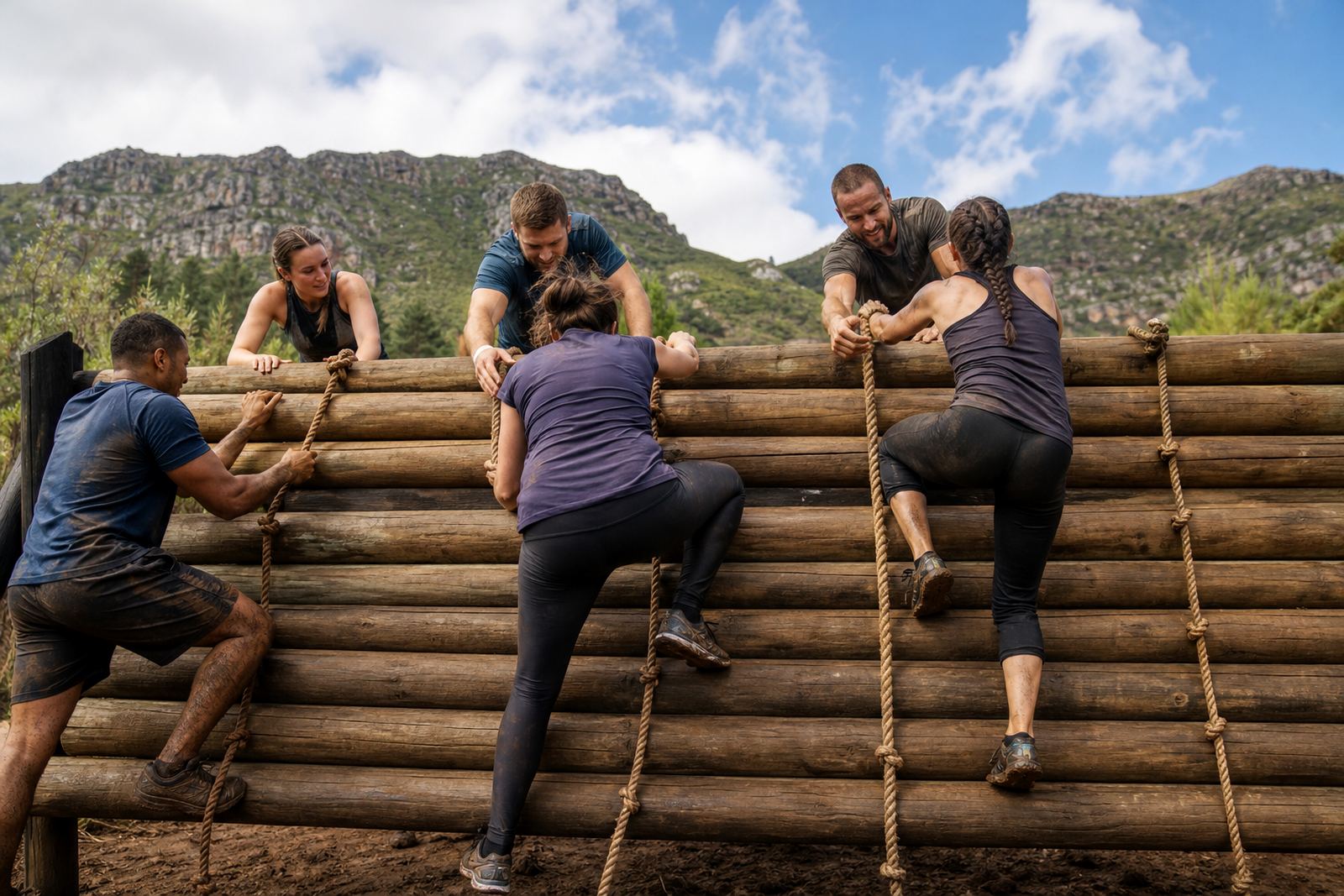

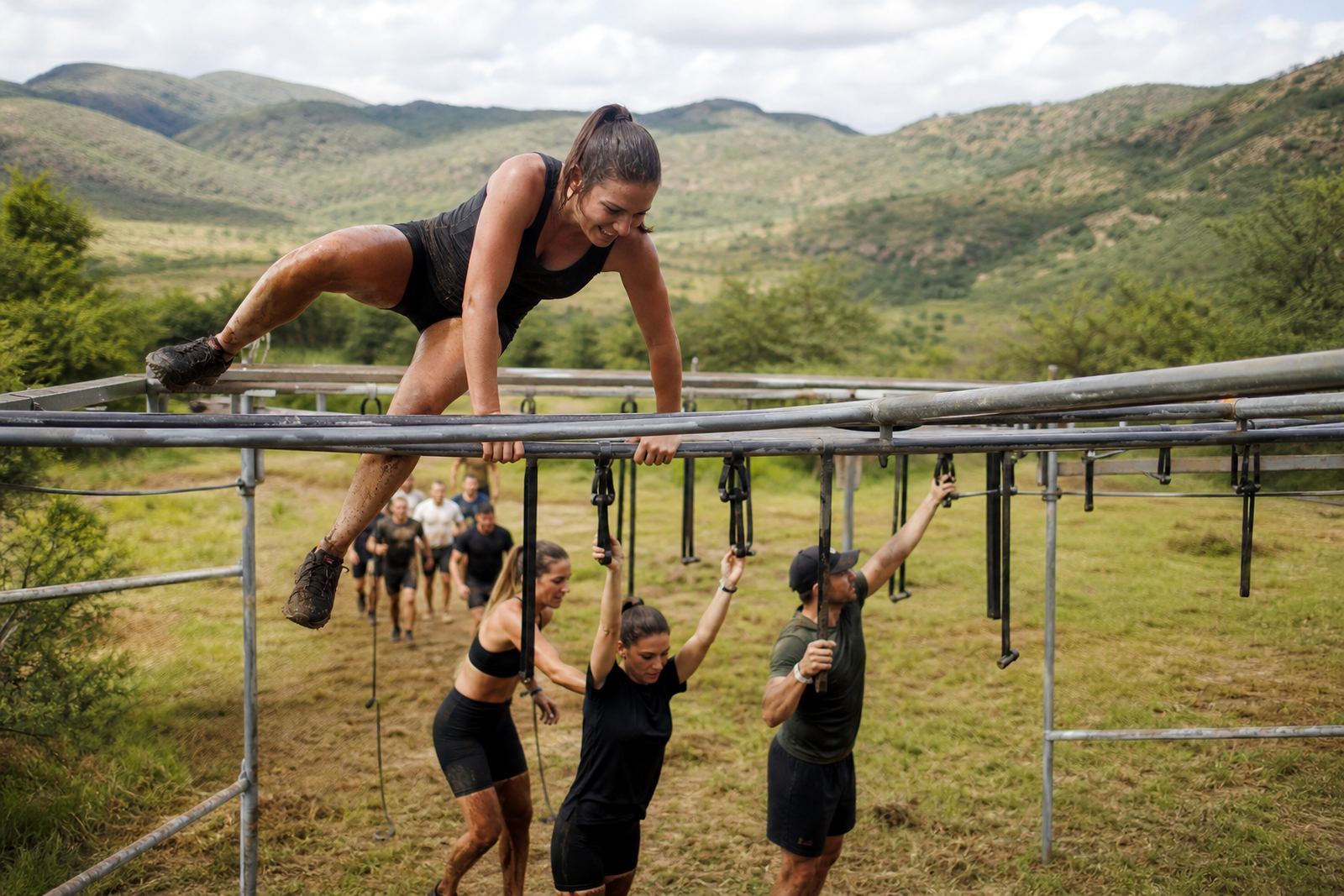
First things first for the captain
If you are organising a workplace team, sports club or social group, start with the group name and the number of people you expect to enter. Keep one person as the captain or main contact so updates do not get lost between WhatsApp chats and last-minute messages. If your group has mixed fitness levels that is normal, the support process is set up for first-timers and experienced racers alike.
- Confirm the group name and who is handling replies.
- Gather each participant’s full name as it appears on their ID.
- Ask who needs help with lift sharing, parking or supporter access.
- Flag any runners who want a steadier pace or a training chat before race day.
How group registration gets matched up
Group registration is easier when details arrive together. The office team can help line up entries for colleagues, friends or family members, and keep the group tied to the same captain where possible. If the group is spread across Johannesburg, Pretoria, Rustenburg or farther afield, share that early so timing around collection, travel and arrival can be planned properly.
- Send the full list in one go if you can.
- Note any participants under one team banner, such as a company or club.
- Tell us if the group wants to start together or split into smaller pace groups.
- Check that everyone understands the event format before payment and final confirmation.
Waivers, consent and the paperwork nobody likes but needs
Obstacle races involve climbing, crawling, carrying and uneven ground, so waivers and participant acknowledgements matter. Every adult entrant should read the terms carefully before race day. If you are organising a corporate group, it helps to brief everyone early rather than leave the forms until the night before. That gives people time to ask about the course and check whether hard exercise is suitable for them.
Please encourage all entrants to check with a doctor before hard exercise if they have any medical concerns, recent injuries or conditions that may affect participation. The support team can explain the process and the general safety setup, but medical clearance is personal and best handled by a healthcare professional.
What your team should bring in the kit bag
Magaliesberg weather can change quickly, and dusty ground, mud or morning chill can all play a part. Keep the kit practical and leave valuables at home. A small bag with the basics is usually enough, but some groups like to add a spare top for the drive home and an extra towel for the recovery area.
- Comfortable running shoes with a grip that can handle dirt and wet patches.
- Clothing that can get dirty, plus a dry change of clothes.
- Water bottle and light snacks for after the race.
- Sun protection, especially for open sections and waiting areas.
- Any personal items needed for medication, wrapped safely and kept with the runner.
Briefing groups without the last-minute scramble
Safety briefings are there to make the course clearer before the first wave starts. For larger groups, a custom briefing can help everyone hear the same instructions on obstacles, heat allocation, course marshals and the recovery area. If your team is bringing supporters, they should also know where they can stand and where they should not enter the course.
For workplace organisers, it helps to appoint one person to receive captain updates and one person to handle the group on the ground. That way messages do not get mixed up when people arrive from Pretoria, Bloemfontein or the West Rand at different times.
- Arrive early enough to settle in before the briefing starts.
- Keep the captain near the group for final instructions.
- Remind everyone to listen for marshal directions at each obstacle.
- Move together through check-in if the team is collecting as one group.
Race day flow at the venue
On the day, the process usually runs from check-in to warmup, then into the start area in the assigned heat. Group entries can benefit from a clear plan for photos, supporter viewing and post-race recovery. If the team is staying in Hekpoort, coming in from Hartbeespoort or driving out from Krugersdorp, allow extra travel time for parking and settling in before the start.
After the race, some people head straight for shade and water while others want team photos first. A captain who knows the plan helps keep the group together without rushing anyone. If a participant is struggling after the event, get them to the recovery area and follow marshal guidance straight away.
Who helps once the group is locked in
Different parts of the support process are handled by different people, so organisers do not have to chase one contact for everything. Corporate Entry Planning, Team Registration Help, Waiver Coordination and Onsite Team Checkin are all useful when a company or social group is entering together. The operations side keeps the moving parts steady, while the safety and briefing side makes sure the team hears what matters before the start.
That support is practical, not complicated. If your group needs help with captain communication, heat allocation support or a custom team briefing, send the details early and keep the group updated as the event gets closer. Small mistakes are easier to fix before race day than standing in a queue at the venue.